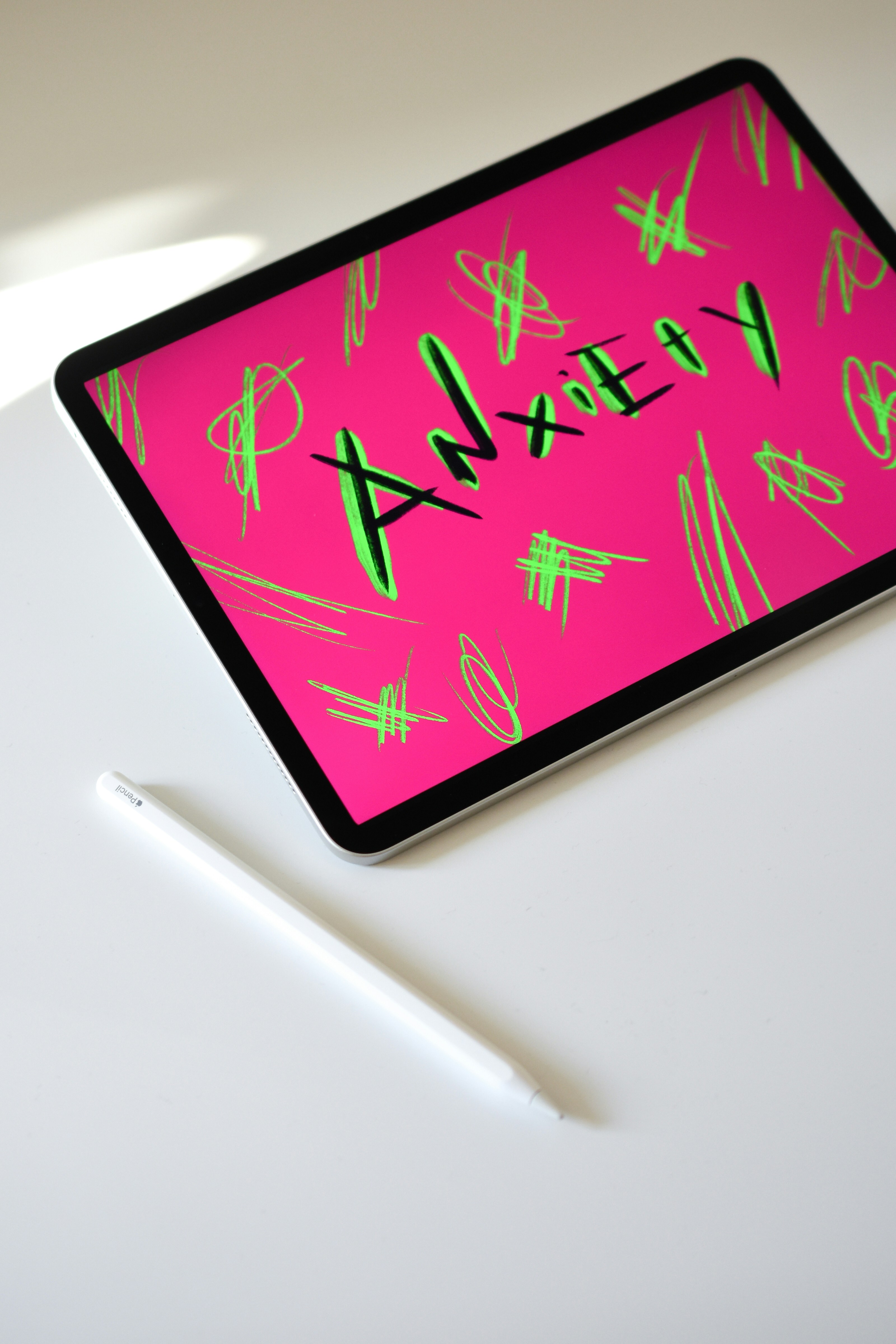
Understanding Anxiety
Anxiety is a complex emotional response characterized by feelings of unease, worry, and fear. It is a natural reaction to stress and can serve a protective function, alerting individuals to potential dangers. However, for some, anxiety can become overwhelming and interfere with daily functioning, leading to various anxiety disorders. The most common types of anxiety disorders include Generalized Anxiety Disorder (GAD), Social Anxiety Disorder, and Panic Disorder.
Generalized Anxiety Disorder is marked by excessive, uncontrollable worry about multiple aspects of life, such as health, finances, and family. Individuals with GAD often find it challenging to relax and experience chronic feelings of anxiety that may not be tied to specific events. Social Anxiety Disorder, on the other hand, involves intense fear in social situations where one may be judged or scrutinized. This condition can prevent individuals from engaging in everyday activities, such as attending social gatherings or initiating conversations.
Panic Disorder is characterized by recurrent, unexpected panic attacks, which are sudden bouts of intense fear accompanied by physical symptoms, such as heart palpitations, shortness of breath, and dizziness. These attacks can be debilitating, causing individuals to avoid places or situations where they previously experienced panic, further exacerbating their anxiety.
The prevalence of anxiety in today’s society is alarming, with millions of people affected globally. Factors contributing to anxiety can include genetic predisposition, environmental influences, and individual temperament. Symptoms of anxiety disorders can manifest physically and emotionally, leading to fatigue, irritability, and concentration difficulties. Recognizing and understanding these symptoms is crucial in finding effective ways to manage and reduce daily anxiety, thereby improving overall well-being and quality of life.
Identifying Your Triggers
Understanding the specific factors that contribute to feelings of anxiety is crucial in reducing daily anxiety and managing it effectively. Triggers can vary widely from person to person, encompassing a range of situations, events, or interactions that provoke heightened feelings of stress or worry. Gaining awareness of these triggers enables individuals to tailor their coping mechanisms, thereby alleviating anxiety when it arises.
A practical method for identifying triggers involves keeping a daily journal or log. By documenting various aspects of your day, including situations, emotions, and reactions, patterns may emerge over time. For instance, you may notice that certain environments, social situations, or even particular tasks lead to increased anxiety levels. This self-monitoring promotes reflective practices, enhancing self-awareness, and enabling proactive management of anxiety.
Additionally, consider using digital or physical tools designed specifically for tracking emotions and stress levels. Applications that allow for mood tracking can help you not only capture real-time feelings but also identify correlations between specific events and spikes in anxiety. This knowledge is instrumental in reducing daily anxiety, as it allows for more informed choices regarding exposure to certain triggers.
Moreover, seeking feedback from trusted friends or family members can invigorate your understanding of your anxiety triggers. They may have insights into situations that evoke anxiety based on their observations, facilitating a deeper comprehension of your responses. Lastly, professional guidance through therapy or counseling can further assist in recognizing and restructuring your interactions with triggering situations, ultimately leading to more effective strategies for managing daily anxiety.
Breathing Techniques for Calmness
Anxiety manifests itself through heightened physiological responses, often leaving individuals feeling overwhelmed and tense. Implementing breathing techniques can be a highly effective way to reduce daily anxiety, as these methods promote relaxation and restore calmness to both the mind and body. Among the most effective practices are deep breathing and diaphragmatic breathing.
Deep breathing, also known as abdominal or belly breathing, involves inhaling deeply through the nose, allowing the diaphragm to fully expand. To practice this technique, find a comfortable seated position or lie down on your back. Close your eyes and take a slow, deep breath in, counting to four. Hold that breath for a moment before gently exhaling through your mouth to a count of four. This rhythmic pattern can help reduce daily anxiety by activating the body’s relaxation response, which counteracts the stress response.
Diaphragmatic breathing is another powerful tool that focuses on engaging the diaphragm, the muscle located between the chest and abdomen. To begin, place one hand on your belly and the other on your chest. Inhale deeply through your nose, ensuring that your belly rises more than your chest—this indicates that your diaphragm is working effectively. Exhale slowly and completely through pursed lips, feeling your belly fall. Engaging in this practice for a few minutes several times a day can significantly help in calming the nervous system.
Incorporating these breathing techniques into your daily routine can be life-changing, providing a simple and accessible method to reduce daily anxiety. Whether practiced during a stressful moment or as a preventive measure, these methods foster relaxation and promote a sense of control over one’s emotional state. By regularly practicing these techniques, individuals can build resilience against anxiety in their everyday lives.
Mindfulness and Meditation Practices
Mindfulness is a mental practice that encourages individuals to become fully present in the moment, thereby allowing them to observe their thoughts and feelings without judgment. This technique has gained significant attention as an effective method to reduce daily anxiety. By cultivating awareness and acceptance of the present, individuals develop a greater understanding of their emotional states, which can lead to a decrease in anxious feelings.
Meditation, often intertwined with mindfulness, offers structured methods to achieve a calm mind and improved focus. Simple meditation practices suitable for beginners can significantly enhance mental health and provide relief from anxiety. One such practice is guided imagery, where a person visualizes peaceful scenes or experiences. This technique helps to shift focus from anxiety-inducing thoughts, promoting relaxation and fostering a sense of control over one’s mental state.
Another effective method is the body scan meditation. This practice involves paying close attention to various parts of the body in a sequential manner, typically starting from the toes and moving upward to the head. It encourages relaxation by allowing individuals to notice and release tension held in different areas. By engaging in body scans regularly, individuals can become more attuned to their physical sensations and emotional responses, thereby reducing the overall levels of anxiety.
Both of these practices can be easily integrated into daily life, requiring only a few minutes each day. As with any new skill, consistency is key; thereby, individuals are encouraged to make mindfulness and meditation a regular part of their routine. Through commitment to these practices, one can experience a gradual decrease in daily anxiety, resulting in enhanced overall well-being.
The Power of Physical Activity
Engaging in regular physical activity has been shown to have a profound impact on mental health, particularly in terms of reducing daily anxiety. Scientific studies emphasize that exercise stimulates the production of endorphins, often referred to as ‘feel-good’ hormones. These neurochemicals play a crucial role in alleviating feelings of stress and anxiety, subsequently enhancing one’s mood and overall sense of wellbeing.
Research has demonstrated that even moderate exercise can lead to noticeable improvements in anxiety symptoms. A study published in the Journal of Clinical Psychiatry found that individuals who participated in consistent aerobic activities, such as running, cycling, or swimming, reported lower anxiety levels than those who led a sedentary lifestyle. This suggests that any form of physical activity, whether intense or gentle, can be beneficial in managing anxiety effectively.
Incorporating various types of workouts into your routine can help cater to different preferences and fitness levels. High-intensity interval training (HIIT) is particularly effective due to its ability to elevate the heart rate quickly, leading to significant endorphin release in a shorter time. Alternatively, activities like yoga and tai chi promote relaxation and mindfulness, providing a unique approach to reducing daily anxiety through controlled breathing and gentle movement.
Moreover, group classes or team sports can enhance the social aspect of exercising, which is another critical factor in combating anxiety. The camaraderie and support obtained from participating in physical activities with others can contribute to improved mental health outcomes, as social interactions are known to mitigate feelings of isolation and stress.
Ultimately, embracing a physically active lifestyle can serve as a powerful tool in combating daily anxiety. By making a conscious effort to include various forms of exercise, individuals can enhance their capacity for relaxation and manage their anxiety symptoms more effectively.
Nutrition and Its Role in Anxiety Management
Nutrition plays a crucial role in managing mental health, particularly in reducing daily anxiety levels. The foods we consume can directly influence our mood, energy levels, and overall mental clarity. Research has shown that certain nutrients can either alleviate or exacerbate feelings of anxiety, making diet an essential component of an anxiety management strategy.
One of the most notable nutrients in promoting mental well-being is omega-3 fatty acids. Found in fatty fish such as salmon and sardines, these nutrients are linked to improved mood and reduced anxiety symptoms. Additionally, antioxidants found in fruits and vegetables combat oxidative stress, which can negatively impact mental health. Foods like blueberries, spinach, and nuts are excellent sources of antioxidants that can help stabilize mood fluctuations.
On the other hand, some dietary choices can increase anxiety levels. Highly processed foods, excessive sugar, and caffeine can lead to heightened feelings of stress and anxiety. Caffeine is particularly known for its stimulatory effects, which can mimic or provoke anxiety symptoms. Therefore, monitoring intake and opting for more whole foods can be beneficial in creating a balanced diet aimed at reducing daily anxiety.
For individuals seeking to enhance their mental well-being through nutrition, meal planning is a viable strategy. Incorporating a variety of nutrient-rich foods into daily meals promotes not only physical health but also emotional stability. Focus on including whole grains, lean proteins, healthy fats, and a colorful array of fruits and vegetables in your diet. Moreover, establishing a routine that prioritizes regular meal times can create a sense of security, further contributing to overall mental health.
In conclusion, adopting a balanced diet rich in essential nutrients can significantly aid in the management of anxiety. By focusing on nutrition, individuals can create a supportive foundation for reducing daily anxiety and enhancing their overall quality of life.
Sleep Hygiene Habits
Maintaining proper sleep hygiene is crucial for those looking to reduce daily anxiety levels. Quality sleep significantly impacts mental health, and cultivating habits that promote restful sleep can lead to a more balanced emotional state. Establishing a consistent bedtime routine is one of the most effective ways to signal your body that it is time to unwind. This routine should include activities that promote relaxation, such as reading a book, practicing mindfulness, or engaging in gentle stretches. This predictable pattern can help ease the mind, making it easier to drift into a restful slumber.
Moreover, minimizing screen time before bed plays an essential role in improving sleep quality. The blue light emitted from devices such as smartphones, tablets, and computers can interfere with the body’s natural circadian rhythm, making it harder to fall asleep. It is advisable to limit the use of electronic devices at least one hour before bedtime. Instead, consider replacing screen time with calming activities that can help reduce daily anxiety. These may include taking a warm bath, meditating, or listening to soothing music.
Creating a relaxing sleep environment is another important aspect of good sleep hygiene. The bedroom should be a sanctuary conducive to rest; this means keeping it cool, dark, and quiet. Investing in comfortable bedding and blackout curtains can enhance the overall quality of sleep. Additionally, some individuals may find that white noise machines or earplugs help to drown out disruptive sounds, further contributing to a serene sleeping environment. By prioritizing these sleep hygiene habits, individuals can significantly alleviate their anxiety levels, leading to improved overall well-being.
Building a Support System
One of the most effective strategies to reduce daily anxiety is establishing a strong support system. Human beings are inherently social creatures, and fostering meaningful relationships can serve as a critical buffer against the stresses of life. By surrounding oneself with understanding friends, family, and colleagues, individuals can create a network that facilitates emotional sharing and connection. This network not only provides comfort during difficult times but also offers diverse perspectives that can help alleviate feelings of isolation associated with anxiety.
Engaging with communities—whether they are local groups, online forums, or hobby clubs—can also enhance one’s support system. Participating in activities with others who share similar interests and experiences fosters a sense of belonging, which is essential in reducing daily anxiety. These communal interactions encourage openness and understanding, creating an environment where individuals feel comfortable discussing their mental health struggles without fear of judgment. Such social connections can be instrumental in helping individuals recognize that they are not alone in their feelings.
Additionally, seeking professional support can play a vital role in managing anxiety. Mental health professionals such as therapists and counselors are trained to help individuals navigate their feelings of anxiety and develop coping strategies tailored to their needs. Open communication about mental health is important not only in personal relationships but also within professional settings. By discussing mental health openly, individuals can advocate for themselves and encourage a supportive culture surrounding mental well-being. This practice can lessen the stigma often associated with anxiety, making it easier for those affected to seek help and support when needed.
Seeking Professional Help
Addressing anxiety, especially when it becomes overwhelming, often requires seeking professional help. Mental health professionals are equipped with the knowledge and skills necessary to provide support tailored to individual needs. Engaging with a therapist or counselor can significantly help to reduce daily anxiety by providing an impartial space to explore one’s thoughts and feelings.
There are various types of mental health professionals available, such as clinical psychologists, licensed professional counselors, social workers, and psychiatrists. Each specializes in different aspects of mental health. For instance, psychologists use talk therapy and various therapeutic techniques to help individuals process their emotions and develop coping strategies. On the other hand, psychiatrists are medical doctors who can prescribe medication, potentially alleviating the biological underpinnings of anxiety disorders.
Therapy options vary widely, including cognitive-behavioral therapy (CBT), which has proven effective in reducing daily anxiety. CBT focuses on identifying negative thought patterns and replacing them with healthier perspectives, allowing individuals to manage stressors more effectively. Dialectical behavior therapy (DBT) and exposure therapy are other modalities that professionals might use, depending on the client’s specific anxiety challenges.
Medications might also play a significant role in managing anxiety disorders. Selective serotonin reuptake inhibitors (SSRIs) and benzodiazepines are commonly prescribed options that can help alleviate anxiety symptoms. However, it is crucial to follow a mental health professional’s guidance when considering medication to ensure the benefits outweigh any potential risks.
Ultimately, combining self-help strategies with professional assistance can create a holistic approach to reducing daily anxiety. Those experiencing persistent anxiety should reach out to a qualified mental health professional to discuss tailored treatment options and achieve a healthier state of mind.