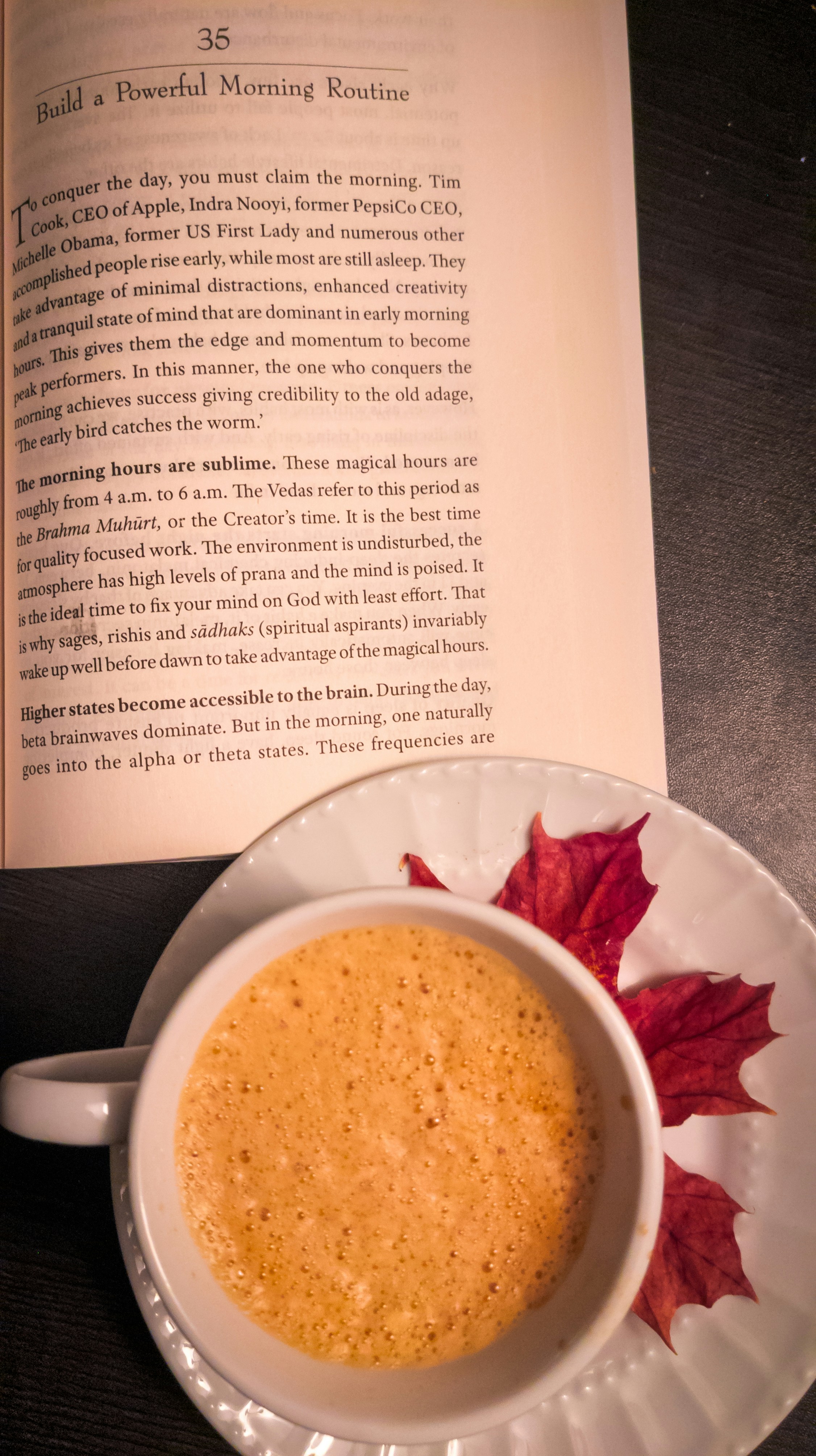
Introduction to Personal Evolution
Personal evolution refers to the ongoing process of self-improvement and growth that individuals experience throughout their lives. It encompasses a broad range of transformations that can occur on emotional, intellectual, and spiritual levels. As people navigate different stages and challenges, their ability to adapt and grow often defines their overall trajectory in life. By committing to a personal evolution routine, individuals can equip themselves with the tools and strategies necessary to cultivate resilience and facilitate significant change.
Understanding personal evolution goes beyond mere self-help; it involves embracing the concept of lifelong learning and the pursuit of one’s fullest potential. This process encourages individuals to reflect on their values, beliefs, and experiences, thus allowing for deeper self-awareness. With this awareness, individuals can identify areas where growth is needed, ensuring that they are not only reacting to life’s circumstances but are actively shaping their path forward.
The importance of personal evolution cannot be overstated. An intentional personal evolution routine can lead to improved emotional intelligence, enhanced relationships, higher productivity, and ultimately a more fulfilling existence. It empowers individuals to break free from self-imposed limitations and engage in a more purposeful life. Moreover, engaging in a structured approach to personal growth can yield tangible benefits such as increased self-esteem, improved coping mechanisms in the face of adversity, and a solid sense of direction.
As individuals embrace the journey of personal evolution, they create a framework for continuous development. This journey can vary significantly from one person to another, highlighting the unique paths each individual may take towards self-improvement. By recognizing the value of personal evolution, individuals can commit themselves to a routine that fosters ongoing growth and sustains a positive trajectory in their lives.
Understanding Your Current State
Embarking on a personal evolution routine begins with a thorough assessment of your current state. This fundamental stage involves self-reflection essential for identifying your strengths, weaknesses, values, and specific areas that warrant improvement. By taking a closer look at oneself, you can better understand your motivations and what drives your personal growth.
One effective technique for self-assessment is the SWOT analysis, which helps in a structured overview of your current circumstances. SWOT stands for Strengths, Weaknesses, Opportunities, and Threats. Begin by listing your strengths—these are skills and competencies that set you apart. Next, consider your weaknesses—identifying these can lead to significant growth as you work through them. In addition to internal factors, explore external opportunities that can aid your personal evolution, such as workshops, mentoring, or online resources. Finally, recognize any potential threats that could hinder your progress, whether they be negative influences or external challenges.
Another valuable exercise is journaling. Regularly writing about your thoughts and feelings can uncover underlying beliefs and values that may affect your personal evolution. Try dedicating a section of your journal to reflecting on daily successes and challenges, which can offer insights into patterns of behavior and areas that require attention. Furthermore, consider seeking feedback from trusted friends or colleagues; their perspective may highlight traits or areas you might overlook.
Moreover, implementing the practice of mindfulness can enhance self-awareness. Focused meditation techniques or simply spending quiet time with your thoughts allows for contemplation without distractions. This can lead to a clearer understanding of your present mindset. The integration of these self-assessment tools will significantly facilitate the journey of mastering your personal evolution routine, laying a robust foundation for future growth.
Setting Clear Goals for Evolution
Establishing clear objectives is a critical component of any effective personal evolution routine. Goals provide direction and purpose, allowing individuals to measure their progress over time. One of the most effective frameworks for goal setting is the SMART criteria, which stands for Specific, Measurable, Achievable, Relevant, and Time-bound. By adhering to these principles, individuals can create meaningful goals that not only inspire action but also promote accountability.
The first element, Specific, emphasizes the necessity of clarity in goal formulation. Instead of aiming for something vague like “I want to be healthier,” individuals should articulate precise outcomes, such as “I will exercise three times a week.” This specificity clarifies what is to be achieved, removing ambiguity from the personal evolution routine.
Measurable goals allow for tracking progress, an essential aspect of any personal development journey. For instance, setting a target weight or a number of books to read each month enables individuals to quantify their achievements, making it easier to adjust their strategies if necessary. Achievable goals ensure that aspirations remain realistic; while it is crucial to challenge oneself, setting impractical objectives can lead to frustration and disengagement. Relevance connects the goal to broader personal values and life aspirations, ensuring that each step taken is meaningful in the context of one’s life journey.
Lastly, Time-bound goals establish a timeline for completion. This adds a sense of urgency and promotes consistent effort towards achieving personal evolution. By specifying a deadline, individuals can prioritize their actions, assess progress periodically, and recalibrate their personal evolution routine when required.
By utilizing the SMART framework to articulate clear goals, individuals can transform their personal evolution routine into a structured process, enhancing the likelihood of success and personal fulfillment.
Building a Routine for Personal Growth
Creating an effective personal evolution routine involves several key components that work synergistically to foster growth and development. At the core, daily habits lay the groundwork for this transformative journey. Establishing a set of positive habits—such as morning mindfulness practices, journaling, or regular physical activity—can significantly impact an individual’s mindset and overall well-being. These habits should be tailored to personal preferences and goals, ensuring that they contribute meaningfully to the evolution process.
Consistent rituals play a crucial role in reinforcing these habits, acting as anchors in your daily schedule. This might include a dedicated time each day for reflection, goal-setting, or learning something new. By integrating rituals, individuals can cultivate a sense of purpose, which is essential in driving personal evolution. These rituals serve not only as reminders of one’s aspirations but also as checkpoints to evaluate progress over time.
Time management strategies are another pivotal aspect of a personal evolution routine. Effectively balancing work, leisure, and self-improvement can prevent feelings of overwhelm. Useful techniques include prioritizing tasks, setting specific goals, and dedicating time blocks for personal development activities. Employing approaches like the Pomodoro Technique or time batching can provide structure to the daily routine, allowing for focused work sessions followed by essential breaks.
Moreover, finding the right balance between pushing oneself and allowing for rest is vital. Overloading on personal development can lead to burnout, detracting from the overall goal of personal evolution. Thus, it is beneficial to remain flexible and adapt the routine according to changing needs and circumstances. By doing so, an individual can maintain motivation and enjoyment in their growth journey.
Learning and Skill Development
Continuous learning plays a pivotal role in the process of personal evolution. It is the backbone of skill development and adaptability, enabling individuals to navigate the ever-changing landscape of personal and professional demands. One of the most accessible avenues for acquiring new skills is through online courses. Numerous platforms offer a vast array of subjects, from coding to creative writing, catering to various interests and goals. These courses provide flexibility, allowing learners to study at their own pace and convenience, making it easier to incorporate this personal evolution routine into busy schedules.
In addition to online learning, attending workshops can be highly beneficial for hands-on experience and networking opportunities. Workshops often foster interactive environments where participants can engage directly with instructors and peers, exchanging ideas and gaining insights. This collaborative approach enhances the learning experience, making skill acquisition more effective and enjoyable.
Reading remains a fundamental method of personal development. Books, articles, and research papers not only provide knowledge but also inspire critical thinking and creativity. A diverse reading routine can introduce new perspectives and methodologies, ultimately contributing to an individual’s overall skillset. Moreover, literature related to personal growth can reinforce the principles of adaptability and resilience, critical components of a thriving personal evolution routine.
Furthermore, mentorship should not be overlooked. Establishing a relationship with a mentor can offer guidance and feedback tailored to one’s aspirations. Mentors can share their experiences, helping mentees navigate challenges more efficiently and recognize opportunities for growth. By integrating these various avenues for skill development, one can create a well-rounded personal evolution routine, staying relevant and adaptable in both personal and professional domains.
Mindfulness and Self-Reflection Practices
Mindfulness and self-reflection are essential components of an effective personal evolution routine. Engaging in these practices fosters deeper self-awareness, clarity of thought, and enhanced emotional intelligence. By incorporating mindfulness into daily life, individuals can cultivate a greater understanding of their thoughts and behaviors, ultimately guiding their personal development journey.
Meditation is one of the most powerful mindfulness practices. It allows individuals to focus on the present moment, observing their thoughts without judgment. Regular meditation can enhance mental clarity, calm anxiety, and improve overall well-being. To start meditating, find a quiet space, sit comfortably, and set aside 5-10 minutes daily. Focus on your breath and gently redirect your attention whenever your mind wanders. Over time, this practice can deepen your self-understanding and contribute significantly to your personal evolution routine.
Journaling serves as another effective self-reflection technique. Documenting your thoughts, feelings, and experiences provides valuable insights into your life. It encourages you to articulate your goals, challenges, and progress, making it easier to identify patterns and areas for improvement. For optimal results, consider setting aside time each day or week to write freely, focusing on your emotional reactions and thoughts. This practice may illuminate your growth journey, enabling you to adjust your personal evolution routine as needed.
Breathing exercises are also instrumental in enhancing mindfulness and fostering self-awareness. These techniques help regulate emotions and promote relaxation, making it easier to confront challenges. A simple exercise involves inhaling deeply for a count of four, holding for four, and exhaling for four. Performing this exercise several times a day can ground you and enhance your focus on personal growth.
Incorporating these mindfulness and self-reflection practices into your daily routine can significantly enrich your personal evolution journey, equipping you with the tools to navigate life’s challenges and foster self-improvement effectively.
Overcoming Challenges and Setbacks
No personal evolution journey is without its share of challenges and setbacks. These obstacles can range from internal struggles, such as self-doubt and fear of failure, to external factors, including life circumstances or insufficient support systems. Recognizing and understanding these potential barriers is crucial for maintaining momentum in your personal evolution routine. Identifying the nature of these challenges allows individuals to develop tailored strategies for overcoming them.
One effective approach to surmounting setbacks is through reframing failure as an opportunity for learning. Instead of viewing a setback as a definitive end, consider it a stepping stone towards personal growth. This mindset shift can help alleviate feelings of discouragement and propel individuals forward in their journey. Maintaining a reflective journal can be beneficial in this regard, allowing individuals to document their experiences, analyze their emotions and extract lessons learned from difficult situations.
Another essential strategy for overcoming challenges is cultivating resilience. Resilience can be nurtured through various practices, such as setting manageable goals, establishing a robust support network, and practicing mindfulness or stress management techniques. By breaking down larger goals into smaller, achievable milestones, individuals can experience a sense of accomplishment that boosts motivation. Furthermore, surrounding oneself with supportive friends, family, or mentors fosters a positive environment that encourages growth during tough times.
Ultimately, a personal evolution routine should be viewed as a dynamic journey where challenges act as catalysts for improvement. By embracing setbacks, fostering resilience, and maintaining focus on personal goals, individuals can navigate obstacles more effectively. This proactive approach not only enhances one’s evolution but also instills a deeper understanding of oneself and the broader human experience.
Celebrating Milestones and Achievements
In the pursuit of self-improvement, recognizing and celebrating milestones is crucial for maintaining motivation throughout one’s personal evolution routine. Progress, whether significant or seemingly trivial, should be acknowledged as it reinforces positive behavior and encourages persistence. Acknowledging achievements boosts self-esteem and fosters a sense of fulfillment, paving the way for continued growth and development.
One effective strategy for celebrating milestones is to establish a structured rewards system. This may involve setting specific, measurable goals and defining rewards that correspond to each achievement. For example, upon reaching a specific milestone in a personal development plan, one might treat themselves to a favorite meal, take a day off for relaxation, or indulge in a small purchase. The key is to make these rewards meaningful so they reinforce the desire to progress further in the personal evolution journey.
Another approach is to maintain a reflective journal where individuals document their achievements, thoughts, and feelings associated with their journey. This practice not only highlights progress but also serves as a source of motivation during challenging times. Reflective journaling offers an opportunity to assess what strategies worked well and how one has grown, thereby facilitating a deeper understanding of one’s personal evolution process.
Additionally, sharing milestones with friends, family, or a supportive community can amplify the sense of accomplishment. Gathering support encourages accountability and provides an avenue for celebration. Engaging in discussions about progress can also inspire others in their personal evolution routines and create a network of motivation.
By integrating celebration into the personal evolution routine, individuals can sustain momentum and increase their likelihood of achieving long-term growth. Recognizing milestones cultivates a positive mindset, making the journey enjoyable and rewarding in its own right.
Creating a Support System
Establishing a solid support system is crucial for effectively navigating your personal evolution routine. Surrounding oneself with like-minded individuals can provide not only motivation but also a sense of community and belonging. These connections foster an environment where personal growth is not only encouraged but celebrated. By engaging with others who share similar goals and values, individuals can exchange ideas, experiences, and strategies that reinforce their commitment to self-improvement.
Accountability partners play a vital role in this support system. These are individuals who hold you accountable for the commitments you have made as part of your personal evolution routine. They can help keep your goals at the forefront of your activities and encourage you to persist even during challenging times. Regular check-ins with an accountability partner can provide a structured method to track progress and ensure that you remain aligned with your personal development objectives.
Additionally, mentors and coaches can offer invaluable guidance through their experiences and expertise. A mentor can provide insights that pave the way for personal and professional growth, helping individuals avoid common pitfalls while navigating their personal evolution routine. On the other hand, a coach can offer targeted strategies and help facilitate goal-setting processes, empowering individuals to maximize their potential. Both mentoring and coaching relationships can enhance the learning curve, allowing you to benefit from collective wisdom.
Sharing experiences with others in your support network can foster a sense of camaraderie, allowing for mutual encouragement. This connection proves essential, as it helps build resilience during setbacks, making the personal evolution routine feel less isolating. By solidifying a dedicated support system, individuals not only enhance their own growth but also contribute positively to the growth of those around them.