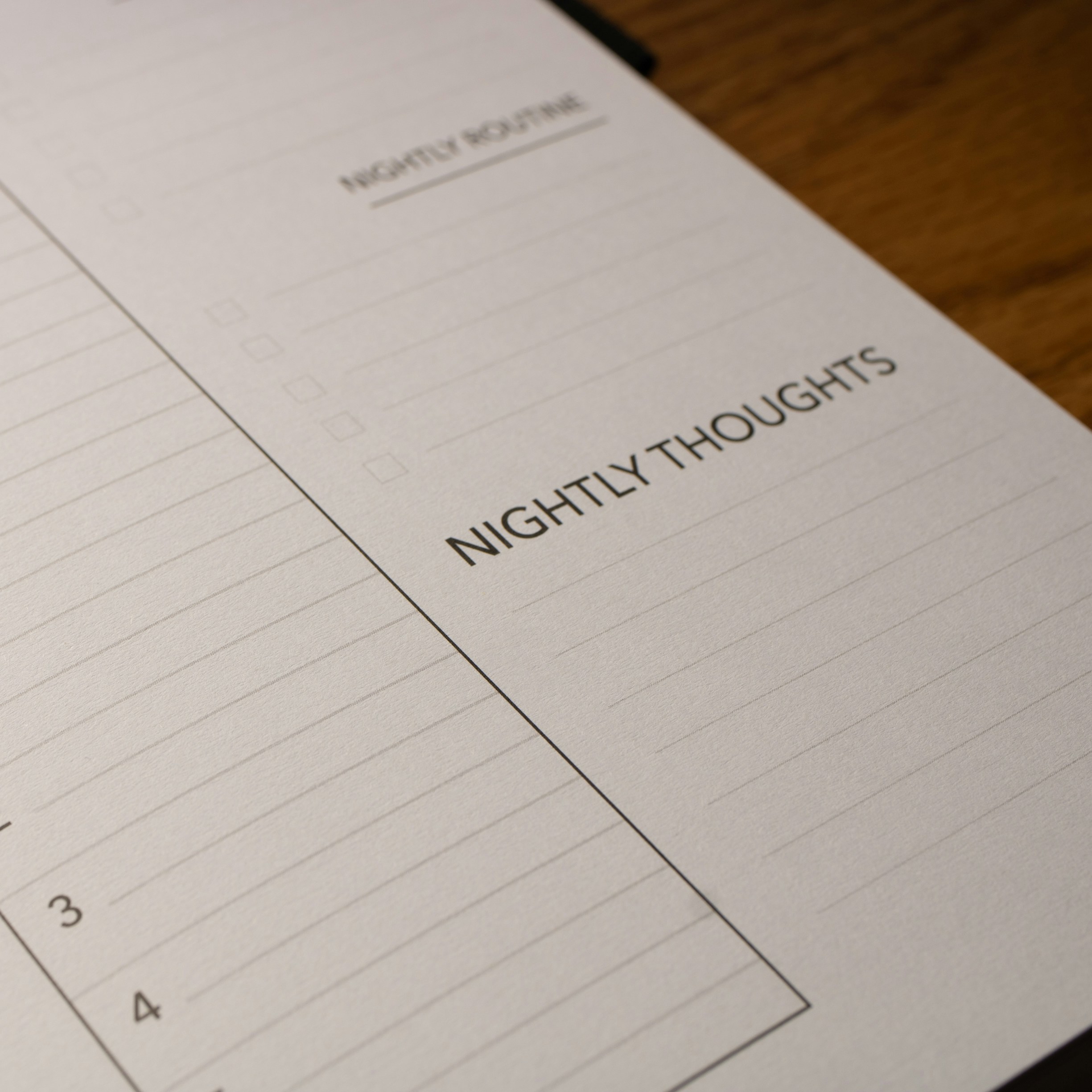
Introduction to the Importance of a Healthy Night Routine
Establishing a healthy night routine is vital for numerous reasons, as it sets the foundation for quality sleep, mental clarity, and overall physical well-being. In today’s fast-paced lifestyle, the significance of a well-structured evening regimen is often overlooked. However, an effective night routine can have profound effects on various aspects of an individual’s life, influencing not only their sleep quality but also their daily functioning and health.
The relationship between evening habits and sleep is well-documented; a consistent healthy night routine can cultivate an environment conducive to restful slumber. Engaging in calming activities, such as reading or meditation, can signal to the body that it is time to wind down, promoting the production of melatonin—the hormone responsible for regulating sleep cycles. Moreover, adhering to a set bedtime encourages a balanced circadian rhythm, which plays a crucial role in achieving restorative sleep. The effects of good sleep extend beyond mere rest; studies show that improved sleep quality enhances cognitive functions, boosts mood, and reduces stress levels.
Additionally, a healthy night routine contributes to one’s mental health. The peaceful transition from daylight to nighttime allows for introspection and unwinding from the day’s challenges. When individuals prioritize relaxation and mindfulness before bed, they often experience improved emotional regulation and resilience against anxiety and depression. By incorporating practices such as journaling or practicing gratitude, an individual can foster a healthier mindset, leading to enhanced emotional well-being.
In summary, cultivating a healthy night routine holds significant importance in today’s world. By understanding and implementing beneficial nightly habits, individuals can markedly improve their sleep quality, support their mental health, and enhance their overall quality of life. Emphasizing the necessity of a deliberate and mindful approach to night routines is paramount for long-term wellness.
Understanding Sleep Cycles and Their Impact
Sleep is a complex physiological process that plays a crucial role in maintaining overall health and well-being. It consists of several stages, each serving different functions that contribute to physical repair and cognitive restoration. The two primary categories of sleep are Rapid Eye Movement (REM) sleep and Non-Rapid Eye Movement (NREM) sleep, which can be further subdivided into different stages. NREM sleep includes stages 1, 2, and 3, while REM sleep typically occurs about 90 minutes after falling asleep, persisting in cycles throughout the night.
During NREM sleep, particularly in stages 3, the body undergoes vital restorative processes. Tissue growth and repair take place, and the immune system strengthens, preparing the body to face daily challenges. In contrast, REM sleep is essential for emotional regulation and cognitive processes, such as memory consolidation and creativity. Hence, understanding these stages is critical for establishing a healthy night routine that fosters not only restorative sleep but also overall health enhancement.
Consistency in sleep schedules is vital for optimizing these cycles. Irregular sleep patterns can lead to the misalignment of circadian rhythms, causing disruptions in hormonal balance and impairing metabolic function. Such irregularities may result in diminished productivity, heightened stress levels, and an increased risk of chronic health conditions, including obesity and diabetes. Therefore, implementing a healthy night routine that includes predictable sleep and wake times can help stabilize these rhythms, enhancing both sleep quality and daytime performance.
The impact of sleep cycles on well-being cannot be overstated. By prioritizing a consistent, healthy night routine, individuals can ensure that they move smoothly through the various stages of sleep. This flow not only maximizes the restorative benefits of each stage but also improves overall mental clarity and emotional resilience, laying the foundation for a productive and fulfilling life.
Key Components of a Healthy Night Routine
Establishing a healthy night routine is essential for improving sleep quality and overall well-being. One of the primary components is bedtime consistency. Going to bed and waking up at the same time each day helps regulate the body’s internal clock, which can lead to more restful sleep. This predictability enhances both the duration and quality of sleep, ultimately allowing for improved daytime alertness and performance.
Relaxation techniques form another vital element in a healthy night routine. Engaging in activities such as reading, meditation, or gentle stretching can significantly reduce stress and signal the body that it’s time to wind down. These practices encourage the release of relaxation hormones, which can help ease the transition into sleep. Incorporating deep breathing exercises can also be beneficial, as they promote a calm state conducive to falling asleep more easily.
The optimization of the bedroom environment is equally important in fostering a healthy night routine. Factors such as darkness, temperature, and noise levels play crucial roles in sleep quality. A cool, dark, and quiet room helps facilitate deeper sleep cycles. Utilizing blackout curtains, white noise machines, or even earplugs can enhance the sleeping environment, allowing for uninterrupted rest.
Lastly, managing digital devices is essential for creating a healthy night routine. The blue light emitted from screens can interfere with melatonin production, making it challenging to fall asleep. Limiting screen time in the hours leading up to bedtime can aid in maintaining a conducive atmosphere for sleep. Establishing a technology curfew—an hour before sleep—can significantly improve one’s ability to drift off and enjoy restorative sleep.
Relaxation Techniques to Incorporate into Your Routine
Establishing a healthy night routine is crucial for preparing your mind and body for restorative sleep. One effective approach involves implementing various relaxation techniques that can enhance your overall well-being. These practices not only contribute to physical relaxation but also promote mental tranquility, creating an environment conducive to sound sleep.
Meditation is one of the most beneficial techniques to consider. Engaging in meditation for a few minutes each evening can help calm racing thoughts and reduce anxiety. By focusing on breath and being present in the moment, individuals can create a peaceful mental space, allowing for a seamless transition into sleep. There are many forms of meditation, such as guided imagery or mindfulness meditation, which can suit different preferences.
Another valuable practice is deep breathing exercises. By learning to control your breath consciously, you can activate your body’s relaxation response. Inhale slowly through the nose, letting the abdomen expand, followed by an extended exhale through the mouth. Repeat this process several times to lower your heart rate and promote feelings of calm. Integrating these exercises into a healthy night routine can further facilitate better sleep.
Gentle yoga is also worth considering. Engaging in restorative yoga poses before bedtime can effectively ease muscle tension and promote relaxation. A few simple stretches can help release accumulated stress from the day while encouraging a state of mindfulness. This physical component enhances the mental relaxation achieved through practices such as meditation and deep breathing.
Finally, reading can serve as a soothing activity to incorporate into your nighttime schedule. Choose materials that are light-hearted or inspiring, as they can distract the mind from stressors while encouraging a tranquil state before bed. This simple yet effective addition rounds out a healthy night routine, weaving together various techniques to create a comprehensive approach to relaxation.
The Role of Nutrition in Your Night Routine
The relationship between nutrition and sleep quality is significant, highlighting the importance of a healthy night routine for enhancing overall well-being. Consuming the right foods can help prepare your body for rest, while poor dietary choices may disrupt your sleep patterns. To facilitate restorative sleep, it is crucial to understand which nutrients and foods contribute positively to your nighttime routine.
Foods rich in tryptophan, such as turkey, eggs, and dairy products, can enhance the production of melatonin and serotonin, hormones that play vital roles in sleep regulation. Complex carbohydrates, found in whole grains, can also help speed up the availability of tryptophan to the brain, making them beneficial when included in your evening meals. Other foods like cherries and kiwifruit are known to naturally increase melatonin levels, supporting your body’s natural sleep-wake cycle.
Conversely, there are specific foods you should avoid close to bedtime to maintain a healthy night routine. Caffeine and stimulants, commonly found in coffee, tea, and certain sodas, can interfere with your ability to fall asleep if consumed later in the day. Heavy meals that are rich in fat or sugar may lead to gastrointestinal discomfort, impairing your sleep quality. Furthermore, alcohol, although it may initially induce drowsiness, can disrupt your sleep cycle and lead to fragmented rest.
Hydration is another crucial aspect to consider in your diet before bedtime. While it is essential to stay hydrated, overconsumption of fluids can lead to frequent bathroom visits, interrupting your sleep. Aim to balance your hydration throughout the day while tapering off intake in the evening. In conclusion, by mindfully selecting your foods and being aware of their effects on your sleep quality, you can establish a healthier night routine that promotes deeper, restorative sleep.
Creating an Ideal Sleep Environment
Establishing a conducive sleep environment is a crucial component of a healthy night routine. The bedroom should ideally facilitate relaxation and promote restful sleep. One of the key elements to consider is lighting. It is widely recommended to maintain a dimly lit environment as bedtime approaches, allowing the body to naturally produce melatonin, the hormone responsible for regulating sleep. Blackout curtains or shades can significantly help block out external light, enhancing the darkness in the room, which is essential for quality rest.
Another significant factor to address is noise control. A quiet environment is fundamental for uninterrupted sleep. If disturbances are unavoidable, consider using earplugs or a white noise machine to drown out disruptive sounds. In addition to these measures, simple adjustments like keeping electronic devices on silent mode can also contribute to a more peaceful atmosphere conducive to sleep.
Alongside lighting and noise, the temperature of the room plays a vital role in sleep quality. Experts suggest that maintaining a cool room temperature—ideally between 60 to 67 degrees Fahrenheit—is optimal for falling asleep and staying asleep throughout the night. This temperature range helps the body maintain its natural thermoregulation processes, paving the way for deeper and more restorative sleep.
Lastly, the selection of bedding should not be overlooked. A comfortable mattress and supportive pillows are essential components of an ideal sleep setup. Investing in high-quality sheets that are breathable and appropriate for the season can further enhance comfort. Remember to regularly change and wash bedding, as clean linens contribute significantly to a tranquil sleep environment. By optimizing these aspects, individuals can create a sanctuary for sleep, which is a central element of a successful healthy night routine.
Establishing a Consistent Sleep Schedule
Adopting a healthy night routine begins with a consistent sleep schedule, which is critical for promoting better sleep and overall well-being. A regular sleep pattern helps to regulate the body’s internal clock, known as the circadian rhythm. This rhythm plays a crucial role in determining sleep-wake cycles, influencing when you feel alert and when you feel sleepy. By going to bed and waking up at the same time every day, an individual can significantly improve their sleep quality and energy levels throughout the day.
One of the advantages of a consistent sleep schedule is that it fosters deeper and more restorative sleep. When the body knows when to expect sleep, it can better prepare for the night, allowing for enhanced REM (Rapid Eye Movement) cycles, which are essential for cognitive function, memory consolidation, and emotional regulation. Furthermore, establishing regular sleep and wake times can decrease feelings of tiredness and grogginess during the day, leading to improved productivity and overall mood.
Maintaining this schedule, however, can be challenging, particularly on weekends or during holidays when social obligations may disrupt established patterns. To uphold a healthy night routine, it is advisable to limit variability in sleep times to no more than one hour. This helps to protect the body’s clock from significant fluctuations that could lead to difficulty falling asleep or waking up refreshed. Tracking sleep patterns with a journal or using technology, such as sleep apps, can aid in identifying trends and sticking to a schedule. By prioritizing a consistent sleep routine, individuals can lay the foundation for better sleep health and overall well-being.
Addressing Common Sleep Disruptors
Sleep is a vital component of overall health and well-being, yet various factors can significantly disrupt our ability to achieve restful slumber. Understanding these common sleep disruptors is essential for developing an effective healthy night routine.
One of the most prevalent obstacles to quality sleep is stress. High levels of stress can trigger the body’s fight-or-flight response, making it challenging to unwind at night. Stress management techniques, such as mindfulness meditation or gentle yoga, can help alleviate tension and promote relaxation. Incorporating these practices into your evening routine may significantly enhance your sleep quality.
Anxiety also plays a crucial role in sleep disturbances. Racing thoughts or worries about the next day can keep individuals from falling asleep or cause them to wake during the night. Establishing a healthy night routine that includes journaling or mental decluttering can help to mitigate anxiety. Taking a few moments to write down thoughts or tasks before bed allows the mind to settle, creating a more serene atmosphere conducive to sleep.
Another common disruptor is excessive screen time before bedtime. The blue light emitted by phones, computers, and televisions can interfere with the production of melatonin, the hormone responsible for regulating sleep. To counteract this, it is advisable to limit screen exposure at least an hour before bedtime. Instead, consider engaging in calming activities, such as reading a book or listening to soothing music, which can facilitate a smoother transition into sleep.
By acknowledging the impact of stress, anxiety, and excessive screen time on sleep, individuals can adopt effective strategies to create a healthy night routine. Reducing these disruptors is key to enhancing overall sleep quality, leading to improved physical and mental well-being.
Benefits of Following a Healthy Night Routine
Establishing a healthy night routine plays a pivotal role in promoting better sleep and enhancing overall well-being. One of the most immediate benefits is an improved mood. Numerous studies indicate that individuals who engage in calming pre-sleep activities, such as reading or meditating, report a notable decrease in stress and anxiety levels. These relaxation techniques prepare the mind for restful slumber, allowing for improved emotional regulation throughout the day.
In addition to mood stabilization, adopting a healthy night routine significantly boosts productivity. A consistent sleep schedule contributes to improved sleep quality, resulting in increased energy and focus during waking hours. For example, individuals who commit to winding down at the same time each night often find their mornings more productive as they awaken refreshed and alert. This predictable cycle fosters a sense of accomplishment and enhances daily performance.
Furthermore, a healthy night routine can enhance cognitive function. Quality sleep is integral to memory consolidation, problem-solving skills, and creativity. By maintaining a consistent sleep pattern, individuals can experience heightened mental clarity and sharper decision-making capabilities. A college student might testify that after incorporating a regular wind-down routine, they found it easier to retain information during studies and perform better on exams.
Lastly, a healthy night routine positively affects physical health. Poor sleep is linked to various health conditions, including obesity, diabetes, and cardiovascular disease. Implementing habits such as dimming lights and reducing screen time can lead to longer periods of restorative sleep, thereby enhancing the body’s healing processes and immune function. Maintaining these beneficial night practices ultimately contributes to long-term health and well-being.