Understanding Personal Wellness
Personal wellness is a multifaceted concept that transcends mere physical health. It encompasses a holistic approach to well-being, which integrates various dimensions that influence an individual’s overall quality of life. These dimensions include physical, emotional, mental, social, spiritual, and environmental health. By considering these interconnected elements, one can create a personal wellness plan that holistically addresses the needs of an individual.
The physical aspect of personal wellness involves maintaining a healthy body through proper nutrition, regular exercise, and adequate sleep. However, this is just one facet of the broader framework. Emotional wellness focuses on understanding and expressing feelings, managing stress, and cultivating resilience, while mental wellness emphasizes cognitive functions and the importance of lifelong learning. Each of these elements contributes significantly to an individual’s overall health and vitality.
Social wellness refers to the quality of relationships and social networks one sustains. Strong connections with family, friends, and the community can enhance emotional and mental well-being. Spiritual wellness, although often seen as a personal journey, also plays a critical role by providing meaning and purpose to life, regardless of one’s beliefs. Lastly, environmental wellness underscores the importance of living in a healthy environment and how this impacts individual and community health.
Understanding and implementing the principles of personal wellness is essential for achieving overall well-being. Individuals who prioritize these components tend to experience improvements in their physical health, emotional stability, and mental clarity, leading to enriched lives. Consequently, integrating these dimensions into a personal wellness plan not only enhances individual health but also contributes positively to interpersonal relationships and society as a whole.
The Importance of a Personal Wellness Plan
In today’s fast-paced world, the significance of developing a personal wellness plan has become increasingly evident. A personal wellness plan is not merely a set of goals; it serves as a comprehensive approach to enhancing various aspects of life. The benefits of adopting such a plan extend to mental clarity, physical health, stress management, and overall life satisfaction, making it an invaluable tool for individuals seeking to improve their quality of life.
One of the primary advantages of a personal wellness plan is the enhancement of mental clarity. By setting clear objectives and identifying actionable steps, individuals can prioritize their mental well-being. This structured approach often includes mindfulness practices, healthy habits, and time management strategies that promote focus and reduce distractions. Consequently, individuals can experience improved cognitive function and a greater ability to tackle daily challenges.
Improved physical health is another critical benefit of creating a personal wellness plan. Such plans encourage individuals to engage in regular physical activity, establish balanced nutrition goals, and monitor their overall health. When tailored effectively to one’s lifestyle, a personal wellness plan can facilitate better exercise routines and dietary choices, which results in increased energy levels and enhanced bodily functions.
Moreover, personal wellness plans provide valuable tools for effective stress management. By implementing coping strategies, individuals can better navigate the stresses of daily life. This might include techniques such as meditation, journaling, and setting aside time for relaxation. Personalized plans enable one to recognize triggers and develop constructive responses, thereby fostering resilience.
Finally, a personal wellness plan contributes to greater life satisfaction. By aligning goals with personal values and priorities, individuals often find a renewed sense of purpose and fulfillment. To ensure that a personal wellness plan is effective, it should be adaptable to the unique needs and preferences of each individual, allowing for continuous improvement and personal growth over time.
Assessing Your Current Wellness State
To construct an effective personal wellness plan, it is essential to assess your current wellness state accurately. This evaluation allows individuals to identify their strengths and recognize areas needing enhancement. One valuable assessment tool is self-reflection, which encourages individuals to examine their thoughts, feelings, and behaviors surrounding various aspects of wellness, such as physical, emotional, social, and spiritual health. Taking time each day to contemplate these elements can lead to profound insights about one’s personal wellness journey.
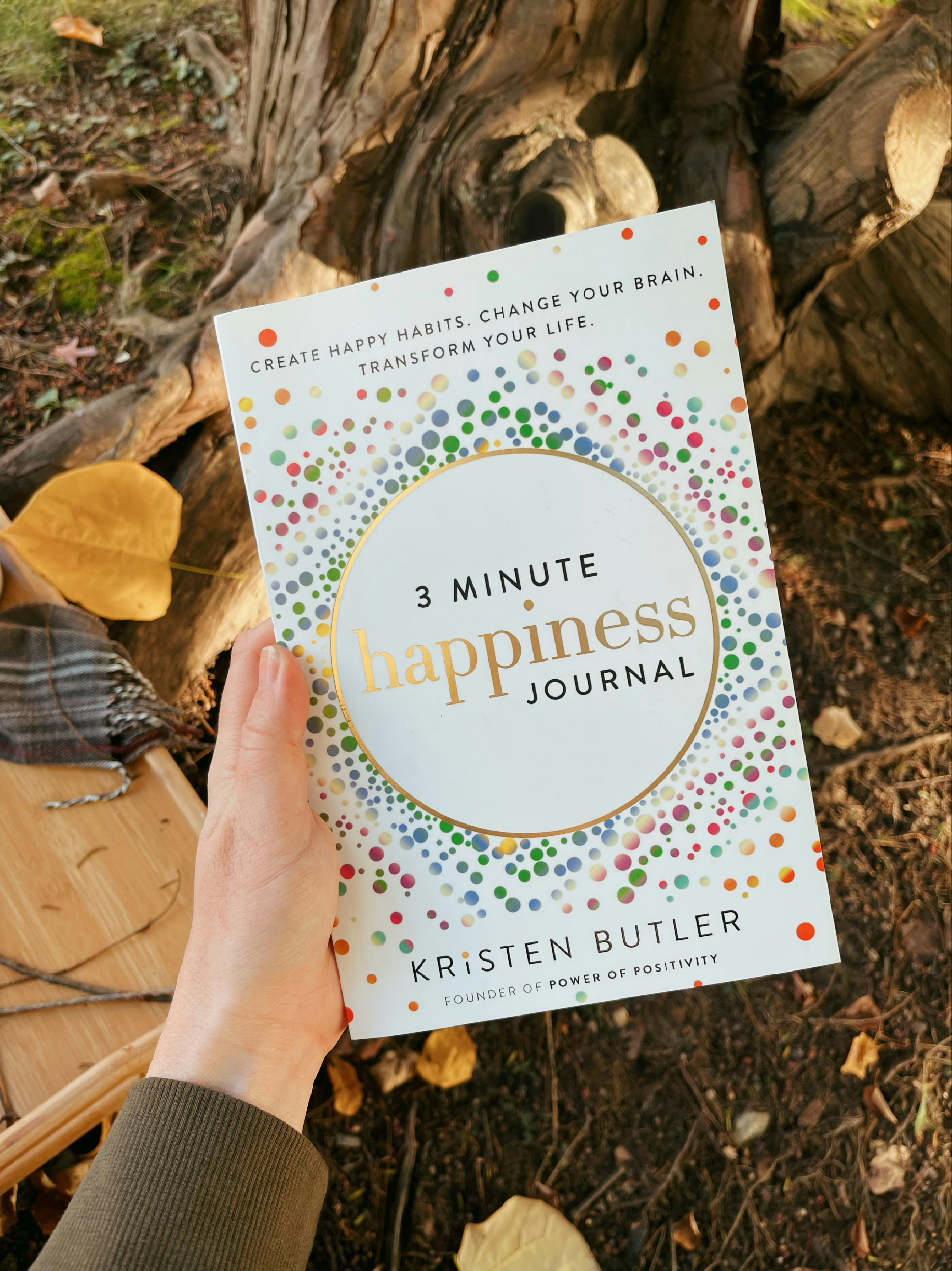
Journaling is another excellent method for evaluating your wellness status. By consistently writing about your experiences, emotions, and challenges, you create a narrative that highlights patterns and trends in your wellbeing. Journals can serve as a powerful resource to document not only your achievements but also setbacks that may arise as you pursue your goals. Regular reflection through journaling can support the development of a nuanced personal wellness plan by establishing a foundation for understanding one’s unique circumstances.
Wellness questionnaires also play a significant role in this assessment process. Various standardized tools, such as the Wheel of Life or the PERMA model, can help you gauge your wellness across different domains. These questionnaires prompt you to evaluate areas such as relationships, mental health, and physical fitness, making it easier to visualize your overall health landscape. By utilizing a combination of self-reflection, journaling, and wellness questionnaires, individuals can attain a comprehensive understanding of their current state of wellness, ultimately guiding the formulation of a personalized wellness plan tailored to their needs.
Setting Wellness Goals
Establishing a personal wellness plan begins with setting clear and actionable wellness goals. Utilizing the SMART criteria—Specific, Measurable, Achievable, Relevant, and Time-bound—ensures that these goals are not only attainable but also motivating. This structured approach allows individuals to create a roadmap for their wellness journeys across various dimensions such as nutrition, fitness, mental health, and social connections.
Specific goals are well-defined and clear. For instance, rather than setting a vague goal like “I want to eat healthier,” a specific goal might be “I will incorporate two servings of vegetables into my lunch and dinner three times a week.” This clarity enhances focus and commitment. Measurability is crucial as it allows you to track progress. For example, “I will jog for 30 minutes, four times a week” can easily be monitored, motivating adjustments if necessary.
Achievability ensures that goals are realistic. Aiming to run a marathon might be a lofty goal for a beginner. Instead, one might consider a more attainable aim such as “I will run a 5K within three months.” This focus on relevance aligns goals with individual values and long-term objectives, creating deeper engagement. Lastly, setting a time frame establishes a sense of urgency. “I want to enhance my mental well-being by practicing mindfulness for 10 minutes daily for the next month” provides a tangible deadline.
Implementing such goals into a personal wellness plan not only organizes efforts but also facilitates a balanced approach to health, paving the way for a sustained commitment to one’s overall well-being. A mix of goals across nutrition, fitness, mental health, and social connection can provide a comprehensive framework, contributing to a fulfilling personal wellness journey.
Creating Your Action Plan
Developing a personal wellness plan requires more than just identifying your goals; it necessitates creating an actionable step-by-step strategy that transforms aspirations into reality. The first step in this process is to break down each wellness goal into smaller, manageable tasks. For instance, if a goal is to improve physical fitness, specific tasks could include scheduling workout sessions, researching different exercise routines, or signing up for a local gym. This decomposition makes seemingly overwhelming objectives feel more achievable.
Next, it is essential to establish a timeline for each task. Individual schedules can vary widely, so choose a timeframe that is realistic for you. Ensure that your timeline includes both short-term milestones and long-term objectives. For example, if your target is to run a 5K, set immediate goals such as walking or jogging for a certain duration three times a week, gradually increasing distance and intensity over time. By tracking progress toward these milestones, you can maintain motivation and make necessary adjustments to your plan.
Integrating healthy habits into your daily routine is pivotal in solidifying your personal wellness plan. Consistency is key, so consider how new habits can fit seamlessly into existing behaviors. For instance, if stress management is one of your goals, you might incorporate a brief meditation session into your morning routine or assign specific times for relaxation activities throughout the week. Ensure your newly adopted habits are not overwhelming; rather, they should enhance your lifestyle.
Moreover, it is advisable to periodically review your action plan to assess progress and adapt as needed. Flexibility in your approach allows you to overcome challenges and celebrate achievements, fostering a sustained commitment to your personal wellness journey. By taking these preparatory steps, you are setting the groundwork for a successful personal wellness plan. This systematic approach will not only help you achieve your objectives but also promote a holistic balance in your overall well-being.
Incorporating Healthy Habits
Integrating healthy habits into your personal wellness plan is essential for fostering a balanced lifestyle. Nutrition plays a pivotal role in overall health, and ensuring a diet rich in fruits, vegetables, whole grains, and lean proteins can significantly improve your well-being. It is advisable to practice mindful eating, which involves being attentive to hunger cues and making conscious food choices. Keeping a food diary can be a helpful tool to track what you consume and identify any unhealthy eating patterns.
Additionally, regular physical activity is crucial for maintaining physical health and enhancing mental clarity. Aiming for at least 150 minutes of moderate aerobic activity each week, such as brisk walking or cycling, can yield substantial health benefits. Incorporating strength training exercises into your routine at least twice a week can help build muscle and improve overall fitness. Find activities that you enjoy, as this will increase the likelihood of maintaining an exercise routine in your personal wellness plan.
Mindfulness practices, such as meditation and yoga, can also be beneficial. These practices promote relaxation and reduce stress, which is essential for overall mental wellness. Setting aside a few minutes each day to focus on breathing and being present can lead to enhanced emotional stability and resilience. Furthermore, understanding the importance of sleep hygiene cannot be overstated. Aim for 7-9 hours of quality sleep per night by establishing a regular sleep schedule and creating a restful environment.
Social engagement is another fundamental aspect of a holistic personal wellness plan. Connecting with friends and family fosters a sense of belonging and support, contributing to emotional well-being. Consider joining social groups or participating in community events to build connections and relationships that uplift you.
By integrating these healthy habits into your daily life, you can create a sustainable personal wellness plan that supports your overall health and happiness.
Monitoring Progress and Making Adjustments
Monitoring progress is an essential component of any effective personal wellness plan. It allows individuals to assess their achievements and identify areas that may require modification. Regular tracking can take various forms, including journaling, utilizing apps, or engaging with fitness devices that provide feedback on physical activity and health metrics. By establishing a method to document these changes, individuals can gain insights into what strategies are yielding positive outcomes and which may need reevaluation.
One effective approach to monitoring progress is to set specific, measurable goals. These goals should be realistic and broken down into smaller, manageable milestones. For example, if an individual aims to increase their physical fitness, they might set a goal to complete a certain number of workouts per week or run a specific distance by a predetermined date. Regularly reviewing these goals, along with the personal wellness plan as a whole, creates opportunities for reinforcement and adjustment, fostering a culture of continuous improvement.
Flexibility is a cornerstone of an effective personal wellness plan. As individuals grow and their circumstances change, it is crucial that the plan evolves alongside them. Regular assessments should prompt reflections on what aspects of the wellness approach are resonating positively and what may seem less effective. This review can facilitate the introduction of new strategies or the refinement of existing ones, ensuring that the personal wellness plan remains relevant and aligned with one’s current needs.
In conclusion, actively monitoring progress and being open to making adjustments are vital to achieving long-term success in a personal wellness endeavor. By tracking accomplishments and maintaining flexibility in one’s objectives, individuals are better equipped to navigate their wellness journeys effectively and make informed decisions that promote holistic well-being.
Overcoming Challenges to Wellness
Developing and maintaining a personal wellness plan often presents an array of challenges that can impede progress. Common barriers include a lack of motivation, time constraints, and various external stressors. Understanding these obstacles is the first step towards effectively overcoming them and ensuring long-term commitment to your wellness journey.
One significant hurdle is the decline in motivation that individuals may experience, especially when initial enthusiasm fades. To combat this, setting specific, achievable goals within your personal wellness plan can enhance motivation. Break larger objectives into smaller, manageable tasks that can be accomplished regularly, allowing for a sense of achievement. Furthermore, visualizing progress through journals or app trackers can serve as a continual reminder of your dedication to wellness.
Time constraints are another prevalent issue when integrating a wellness plan into a busy lifestyle. Prioritization becomes essential in this context. Assess your daily routine and identify pockets of time that can be allocated for wellness activities. Whether it’s scheduling short exercise sessions or practicing mindfulness during breaks, consistently integrating wellness activities into your life will foster a habit of prioritization. Additionally, consider employing techniques such as time blocking, which allows for dedicated wellness intervals amidst a hectic schedule.
External stressors, encompassing work pressures, family obligations, and unforeseen events, can also threaten your wellness commitments. Developing resilience in response to these stressors is crucial. Techniques such as mindfulness practices, meditation, or deep-breathing exercises can empower individuals to manage their responses to stress effectively. Moreover, engaging in community support, whether through friends or group sessions, can provide a strong network that encourages you to stay on track with your personal wellness plan.
Sustaining Your Personal Wellness Plan
Developing a personal wellness plan is an essential first step towards achieving holistic health; however, the true challenge lies in sustaining this effort over the long term. To effectively maintain your personal wellness plan, it is crucial to keep it dynamic and adaptable. As life circumstances change—whether through new work commitments, family responsibilities, or the evolution of personal interests—so too should your wellness strategies. This adaptability helps ensure that the plan remains relevant and aligned with your current goals and lifestyle.
Incorporating regular assessments into your wellness journey is one way to measure progress and make necessary adjustments. Setting milestones allows individuals to take stock of their achievements and reassess their methods for maintaining physical, emotional, and mental well-being. This iterative reflection encourages motivation and determination to push through challenges.
The role of community support cannot be overstated in the journey of sustaining a personal wellness plan. Engaging with others who share similar health and wellness aspirations can offer inspiration, encouragement, and accountability. Establishing connections with friends, support groups, or wellness community programs can create a robust network that fosters resilience. Sharing experiences, setbacks, and successes within these communities can serve to motivate individuals, thus enhancing their commitment to their personal wellness plans.
Celebrating achievements—no matter how small—is another critical aspect of motivation and sustainability. Recognizing and rewarding yourself for reaching specific goals reinforces positive behaviors and instills a sense of pride in one’s progress. This acknowledgment can serve as a catalyst for continued effort and dedication to pursuing personal wellness.
In conclusion, sustaining your personal wellness plan requires flexibility, regular assessment, community engagement, and celebrating successes. By adopting these strategies, individuals can create a dynamic environment that promotes lifelong health and wellness.