Understanding Stress: What It Is and How It Affects Us
Stress is a natural response of the body to challenges and demands, often referred to as stressors. It can manifest in various forms, ranging from everyday pressures to significant life changes. Stress is broadly categorized into two types: acute stress and chronic stress. Acute stress is typically short-term and arises from specific incidents, such as work deadlines or public speaking. In contrast, chronic stress persists over an extended period and can stem from ongoing situations, such as financial difficulties or long-term health issues.
When an individual experiences stress, the body initiates the “fight or flight” response, triggering a cascade of physiological changes. These changes include an increase in heart rate, elevated blood pressure, and the release of stress hormones like cortisol and adrenaline. While this response is beneficial in the short term, preparing the body to react to immediate threats, prolonged exposure to stress can lead to detrimental health consequences. Chronic stress is linked to various health issues, including cardiovascular disease, impaired immune function, anxiety, and depression.
Beyond the physical implications, stress also profoundly affects one’s mental health and cognitive performance. Individuals experiencing high levels of stress may find it challenging to concentrate, make decisions, and maintain emotional stability. This can lead to a decrease in productivity and an overall decline in quality of life. Understanding the various dimensions of stress is crucial, as it underscores the importance of adopting effective stress relief habits. By addressing stress proactively, individuals can mitigate its harmful effects, enhance their overall well-being, and improve productivity in both personal and professional spheres.
The Importance of Stress Relief Habits
In today’s fast-paced world, the prevalence of stress has become a common concern affecting individuals of all ages. Consequently, the adoption of effective stress relief habits is paramount, as it not only enhances overall well-being but also provides a framework for better coping mechanisms. Engaging in regular practices aimed at stress relief contributes significantly to improved mental health, which is crucial for maintaining a balanced life.
Regularly implementing stress relief techniques can lead to better sleep patterns. Stress often disrupts sleep by causing anxiety and restlessness, leading to a cycle of fatigue and irritability. By integrating effective habits such as mindfulness, meditation, or even gentle physical activities into one’s routine, individuals can promote relaxation, allowing for deeper and more restorative sleep. This domino effect of improved sleep enhances cognitive function and emotional stability, ultimately fostering a healthier mindset.
Moreover, adopting strong stress relief habits can significantly enhance mood. When individuals manage their stress levels effectively, they are less likely to experience mood swings and irritability. This improvement in emotional regulation not only benefits the individual but also positively impacts relationships with others, leading to a more harmonious social environment. Additionally, improved resilience is a critical outcome of consistently practising stress relief. Individuals equipped with effective coping strategies are better prepared to tackle life’s challenges, reducing the likelihood of stress-related illnesses.
Overall, prioritizing stress management through the adoption of specific habits is essential for long-term health. The myriad benefits of positive mental health, enhanced sleep quality, improved mood, and greater resilience underline the necessity of incorporating these practices into everyday life. By consciously making these habits a part of one’s daily routine, individuals can significantly enhance their quality of life and navigate the stresses of life with greater ease.
Physical Activity as a Stress Reliever
Engaging in physical activity is a proven method for alleviating stress and fostering overall well-being. Various forms of exercise can effectively contribute to stress relief, enhancing both physical and mental health. Aerobic activities such as running, swimming, or cycling are particularly beneficial as they stimulate the production of endorphins—often referred to as the body’s natural mood lifters. These endorphins interact with the receptors in the brain, effectively reducing the perception of pain and increasing feelings of pleasure, which can help mitigate feelings of stress.
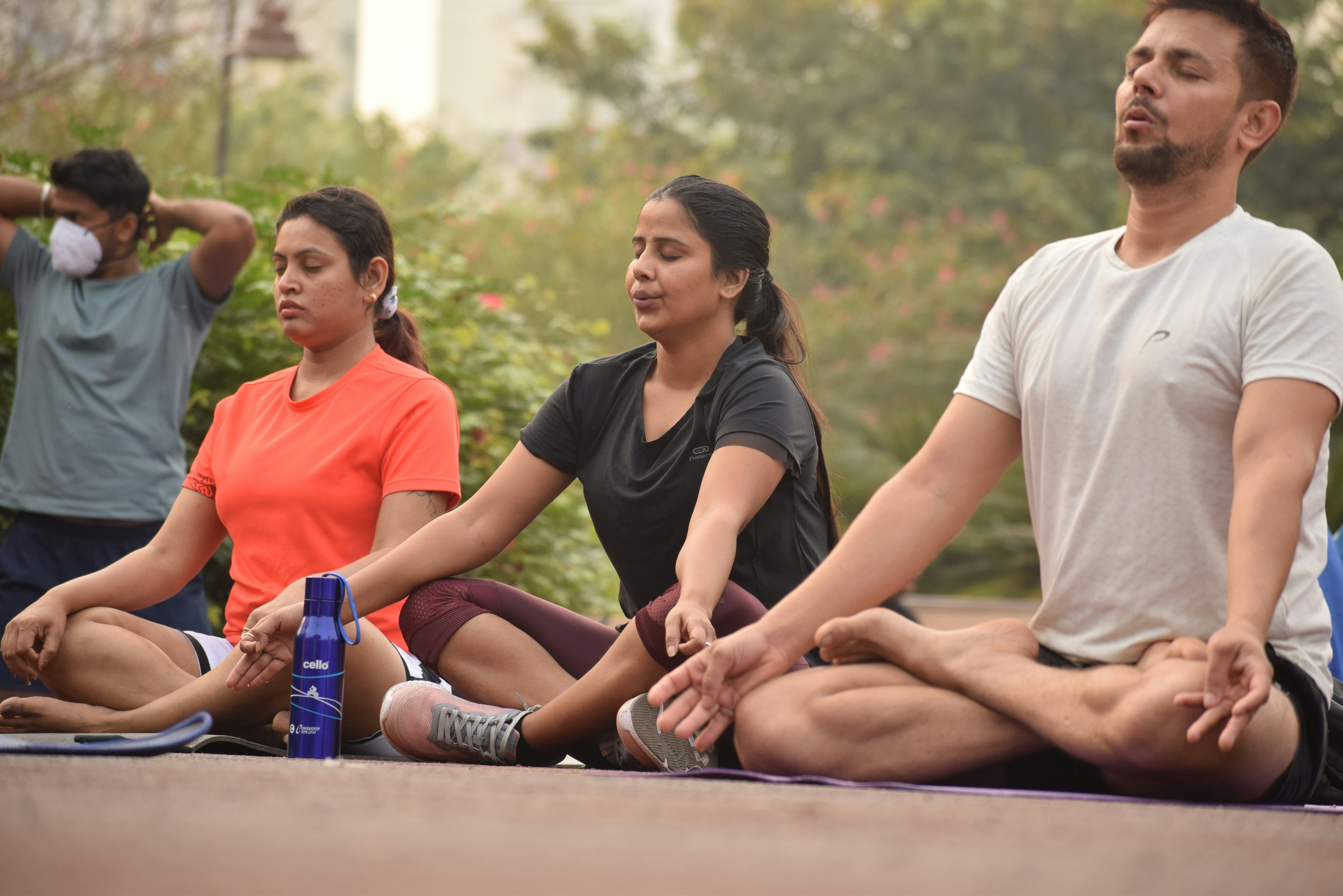
Furthermore, incorporating mind-body practices like yoga and tai chi can be incredibly advantageous. These exercises emphasize controlled breathing, mindfulness, and gentle movements, leading to a state of relaxation that diminishes anxiety. Yoga, for instance, encourages participants to focus on poses and breathing techniques that promote physical flexibility and mental clarity, establishing a harmonic balance between body and mind. Similarly, tai chi combines fluid movements with deep breathing exercises, fostering a sense of tranquility that can effectively counteract daily stressors.
Additionally, regular physical activity encourages better sleep patterns, which in turn can further reduce stress levels. Lack of sleep often leads to increased irritability and anxiety, creating a cycle that exacerbates stress. By incorporating exercise into a daily routine, individuals can improve their sleep quality, leading to a more rejuvenated state of mind and body. It is important to note that finding the right type of exercise is crucial, as it should resonate with personal preferences and fitness levels. This personalization ensures that the routine remains enjoyable and sustainable, ultimately reinforcing effective stress relief habits.
Mindfulness and Meditation Techniques
Incorporating mindfulness and meditation techniques into daily routines can significantly enhance stress relief habits. These practices promote mental clarity, emotional regulation, and a deeper connection to the present moment. One fundamental technique is mindful breathing. This exercise involves focusing solely on the breath—inhale slowly through the nose, allowing the abdomen to expand, then exhale gently through the mouth. By directing attention to the breath, individuals can reduce anxiety and cultivate a sense of calm.
Guided imagery is another effective method that promotes visual relaxation. In this practice, an individual imagines a peaceful scene or experience in vivid detail, engaging all senses to create a tranquil mental space. This technique can lead to substantial physiological benefits, such as reduced heart rate and lower blood pressure, by allowing one to escape the stressors of daily life temporarily.
Body scanning is a mindfulness technique that encourages participants to focus on different parts of the body sequentially, noticing sensations without judgment. This practice fosters body awareness and helps identify areas of tension or discomfort that may be linked to stress. By tuning into these physical sensations, individuals can learn to release tightness and promote relaxation. The benefits extend beyond immediate stress relief, as habitual body scanning can lead to improved mental health and a greater understanding of one’s body.
Integrating these mindfulness and meditation techniques into a regular practice can have lasting effects on one’s ability to cope with stress. Engaging in these activities even for a few minutes each day can help cultivate a more peaceful state of mind and improve overall well-being. By establishing a routine that includes these stress relief habits, individuals can develop resilience against the challenges of life and foster a healthier lifestyle.
Healthy Eating Habits to Combat Stress
The relationship between nutrition and the management of stress is increasingly backed by research. Consuming a balanced diet is essential for maintaining a stable mood and effectively mitigating stress. One of the key components of stress relief habits involves integrating stress-reducing foods into daily meals. These foods are rich in antioxidants, omega-3 fatty acids, and various vitamins, all of which play vital roles in regulating stress levels and enhancing overall well-being.
Antioxidants, found abundantly in fruits and vegetables, are crucial for combating oxidative stress, which can exacerbate anxiety and depressive symptoms. Berries, dark chocolate, and leafy greens are excellent choices that pack a powerful antioxidant punch. Including these foods in one’s diet not only improves physical health but can also uplift mood and provide a calming effect, proving to be effective stress relief habits.
Omega-3 fatty acids, which are prevalent in fatty fish such as salmon, walnuts, and flaxseeds, contribute significantly to brain health and emotional regulation. Research has shown that these fatty acids can minimize the effects of stress and reduce the risk of developing stress-related disorders. By incorporating omega-3-rich foods into the diet, individuals can help bolster their resilience against stress.
Furthermore, vitamins such as B-complex vitamins and vitamin C play essential roles in mental health. Foods like whole grains, eggs, chicken, citrus fruits, and bell peppers can help maintain energy levels and stabilize mood, making them integral to an effective dietary approach to stress management. Adopting these healthy eating habits can serve not just as a method for nourishment, but also as a proactive means to combat stress and promote psychological well-being.
The Power of Social Connections
Maintaining strong social connections is vital for effective stress relief habits and overall emotional well-being. Numerous studies have linked healthy interpersonal relationships with improved mental health outcomes. Engaging socially can reduce feelings of loneliness and anxiety, which are often exacerbated by stress. When individuals cultivate supportive relationships, they create a network that can offer encouragement and assistance during challenging times.
One of the most significant benefits of social interaction is the emotional support it provides. Friends and family members can serve as a buffer against stressors by offering empathy and understanding. Sharing personal experiences and discussing feelings with loved ones fosters a sense of belonging, which is critical for emotional resilience. This social engagement can help individuals develop coping strategies and feel more equipped to handle life’s difficulties.
Moreover, the act of seeking support from others can be a powerful stress relief habit in itself. Reaching out to friends or family members for help encourages open communication and strengthens bonds. Whether it’s a casual lunch or a heartfelt conversation, these interactions can stimulate feelings of connectedness and mitigate the negative effects of stress. Additionally, participating in group activities, such as clubs or classes, provides opportunities for socialization and can introduce individuals to new friends who share similar interests.
Positive social connections also foster an environment where joy and laughter thrive. Engaging in light-hearted and enjoyable activities can distract from stressors and promote the release of endorphins, further contributing to emotional health. Thus, prioritizing social interaction is an essential aspect of cultivating effective stress relief habits and enhancing one’s overall quality of life.
Establishing a Relaxing Routine
Creating a daily routine that emphasizes relaxation is essential for anyone seeking effective stress relief habits. A structured schedule that incorporates time for leisure activities can significantly contribute to overall well-being. Begin by identifying activities that bring you joy, such as reading, painting, or gardening. Allocating specific time slots each day for these hobbies encourages consistency while also providing a needed break from the demands of daily life.
Additionally, integrating mindfulness practices into your routine can enhance your relaxation efforts. Techniques such as meditation or yoga can be seamlessly incorporated into your day. For instance, dedicating twenty minutes each morning to perform yoga stretches or follow a guided meditation can set a tranquil tone for the day ahead. This practice not only fosters mental clarity but also prepares you to face daily challenges with a calm demeanor.
Unwinding before bedtime is another critical aspect of establishing relaxation habits. Engaging in screens and stimulating activities can interfere with sleep quality, leading to heightened stress levels. Instead, allocate the last hour of your day to more tranquil practices. You may choose to take a warm bath, sip herbal tea, or engage in light reading. Creating a sleep-inducing environment by dimming lights and reducing noise can further enhance relaxation, promoting restorative sleep crucial for managing stress.
Incorporating these practices into your daily life can contribute to a robust stress relief regimen. As you establish a routine centered around relaxation, you will likely notice improvements in your mood and stress levels. Consistency is key; over time, these habits will become second nature, contributing to a healthier and more balanced lifestyle.
Limiting Toxins and Stress Triggers
Identifying and managing stress triggers is an essential component of developing effective stress relief habits. Everyday life often inundates individuals with various stressors, which can be exacerbated by certain environmental factors and lifestyle choices. One notable area of concern is the consumption of substances such as caffeine and alcohol, both of which can significantly impact one’s stress levels.
Caffeine, a stimulant found in coffee, tea, and various soft drinks, can lead to increased anxiety and heightened stress responses when consumed in excess. By curbing caffeine intake, individuals can foster a more relaxed state of mind, facilitating the implementation of effective stress relief habits. Transitioning to herbal teas or decaffeinated options can serve as a beneficial substitute, promoting calmness without the jittery effects of caffeine.
Similarly, alcohol, often perceived as a temporary escape from stress, may ultimately contribute to heightened anxiety levels over time. Moderating alcohol consumption and opting for alcohol-free alternatives can help mitigate its stress-inducing effects. This moderation is vital for both physical and mental well-being, reinforcing positive stress relief practices.
Another significant aspect involves managing screen time. In today’s digital age, excessive exposure to screens can lead to information overload and increased stress. Establishing designated “screen-free” periods, particularly before bedtime, can aid in reducing the negative impact of digital consumption. Instead, engaging in calming activities such as reading or meditative practices can enhance one’s overall serenity.
Lastly, creating a calm environment is crucial in limiting daily stressors. Simple changes such as decluttering spaces, incorporating calming scents, and utilizing soft lighting can contribute to a soothing atmosphere. These adjustments not only reduce environmental stress triggers but also help reinforce the adoption of beneficial stress relief habits. By focusing on these aspects, individuals can create a more pleasant living environment conducive to relaxation and overall well-being.
Seeking Professional Help When Needed
In some circumstances, individuals may find it challenging to manage stress through self-help methods alone. When stress becomes overwhelming or chronic, seeking professional help is a critical step toward regaining control of one’s mental health. Professionals such as therapists, psychologists, and counselors are trained to provide tailored strategies for stress management. These professionals utilize various therapeutic approaches, including cognitive-behavioral therapy (CBT), mindfulness-based stress reduction, and other modalities designed to alleviate stress and promote emotional wellbeing.
Recognizing the need for professional assistance can be crucial. Signs that indicate when to seek help include persistent feelings of anxiety, mood swings, trouble sleeping, withdrawal from social activities, and an overall decline in daily functioning. When stress relief habits become insufficient in alleviating symptoms, it may be time to consult a mental health professional. Early intervention can prevent exacerbation of stress-related issues and facilitate a quicker journey to wellness.
Moreover, therapy offers numerous benefits in developing effective stress relief habits. A trained therapist can help individuals uncover the root causes of their stress and work collaboratively to create personalized strategies that suit their unique circumstances. This tailored approach ensures that individuals are not just applying generic techniques, but rather employing strategies that resonate with their personal experiences, thereby enhancing their efficacy.
Engaging in therapy also fosters a supportive environment where individuals can express their thoughts and feelings without judgment. This support can be instrumental in preventing feelings of isolation that often accompany stress. Overall, understanding when to seek professional help can be a transformative aspect of an individual’s journey towards achieving effective stress relief habits and fostering a healthier, more balanced life.