Introduction to Hydration and Its Importance
Hydration plays a pivotal role in sustaining optimal health and proper body functioning. When considering hydration habits, one must recognize that suboptimal fluid intake can lead to a cascade of health issues. The human body is composed of approximately 60% water, which highlights the necessity of maintaining an adequate fluid balance for optimal physiological operations. Water is essential for various bodily functions, including temperature regulation, nutrient transportation, and joint lubrication. Each of these functions contributes significantly to overall performance and well-being.
Moreover, hydration has a substantial impact on cognitive functions. Studies indicate that even mild dehydration can impair concentration, alertness, and short-term memory. This suggests that individuals, particularly those in demanding cognitive roles, should prioritize their hydration habits to enhance their mental acuity. Furthermore, maintaining appropriate hydration levels can also improve mood and reduce the risk of fatigue, promoting productive daily activities.
Physical performance is another area intimately linked to hydration. When engaging in exercise, the body loses fluids through sweat, which makes adequate hydration crucial for endurance and recovery. Dehydration can lead to decreased athletic performance, increased perceived exertion, and a higher risk of heat-related illnesses. Therefore, understanding and adopting effective hydration habits is essential for anyone seeking to optimize their physical capabilities.
As we delve deeper into this topic, it is vital to acknowledge the various factors that can influence individual hydration needs. Elements such as age, climate, physical activity levels, and specific health conditions can all play a role in determining the appropriate amount of fluids necessary for each person. Thus, recognizing the importance of hydration not only supports bodily functions but also promotes overall health and well-being.
Understanding Your Body’s Hydration Needs
Hydration is a fundamental aspect of maintaining optimal health, influenced by various factors including age, weight, activity level, and climate. Firstly, an individual’s age can significantly affect their hydration needs. For example, children generally require more water relative to their body weight than adults. As people age, their sense of thirst may diminish, leading to an increased risk of dehydration. Thus, older adults must be particularly vigilant about their fluid intake.
Weight is another critical determinant of hydration habits. Generally, the more a person weighs, the more water they may need. A standard guideline suggests that individuals should aim for approximately half of their body weight in ounces of water daily. For instance, a 150-pound person should target around 75 ounces of water each day. However, this is a rough estimation and may vary based on other factors.
Activity level plays a pivotal role in hydration requirements as well. An active individuals—those engaging in vigorous exercise or physical labor—require more fluids to compensate for water loss through sweat. During intense workouts, it is advisable to hydrate before, during, and after exercise to maintain optimal performance and health. Additionally, the climate must be taken into account; hot and humid weather can accelerate fluid loss, necessitating an increase in water intake.
General recommendations for daily water consumption suggest approximately 8-10 cups for most adults, yet individual needs can vary greatly. It is essential to listen to one’s body and monitor signs of dehydration, which may include dry mouth, fatigue, and decreased urination. By understanding these factors and adjusting hydration habits accordingly, individuals can ensure they meet their hydration needs for better overall health.
The Role of Different Beverages in Hydration
Proper hydration is essential for maintaining overall health, and various beverages contribute differently to this vital process. Water remains the gold standard for hydration due to its pure and calorie-free nature. Consuming an adequate amount of water daily is often recommended, as it directly supports bodily functions such as temperature regulation, joint lubrication, and nutrient transportation.
Herbal teas also offer a decent hydration habit, often infused with vitamins and antioxidants. These teas can be a flavorful alternative to plain water and may provide additional health benefits, such as improved digestion and relaxation. However, it’s essential to be cautious with sweetened versions, as added sugars can detract from their hydrating qualities.
Sports drinks, designed for athletes, typically contain electrolytes and carbohydrates to replenish energy and maintain fluid balance. While they can be beneficial during extended periods of intense physical activity, they may not be necessary for casual hydration needs. Their higher sugar content can lead to excessive calorie intake if consumed outside of a sports context. Thus, moderation is key when incorporating these beverages into hydration habits.
Additionally, many people overlook the hydrating potential of foods with high water content, such as fruits and vegetables. Items like cucumbers, watermelon, and oranges not only contribute to hydration but also provide essential nutrients that support overall health. Incorporating these hydrating foods into one’s diet can further complement traditional beverage choices.
A common misconception surrounds caffeinated beverages, such as coffee and tea. While caffeine does have mild diuretic effects, it does not negate the hydration benefits of these drinks. Moderate consumption can still contribute positively to one’s overall fluid intake. Awareness of these differences among beverages can facilitate better hydration habits and facilitate a deeper understanding of personal hydration needs.
Creating a Personal Hydration Plan
Establishing a personalized hydration plan is essential for maintaining optimal health and ensuring that your body functions effectively. The first step in this process involves setting clear hydration goals tailored to your individual needs. It is crucial to consider factors such as your age, weight, activity level, and climate. For instance, a more active individual or someone living in a warmer environment may require higher fluid intake compared to someone who is sedentary or in a cooler climate.
Once you have determined your hydration goals, it is beneficial to keep a water intake log. This can be as simple as tracking the amount of water you consume each day using a notebook or a hydration app. Logging your intake helps you become more aware of your hydration habits and ensures that you are meeting your daily targets. Taking note of the types of liquids consumed—such as water, herbal teas, or non-sugar beverages—aims to differentiate between those that contribute positively to hydration and those that may lead to dehydration, such as caffeinated or alcoholic drinks.
To further support your hydration habits, consider incorporating hydration reminders into your daily routine. Setting alarms on your phone, using hydration reminder apps, or adopting strategies like placing water bottles in visible spots can encourage consistent water consumption throughout the day. Additionally, associating drinking water with certain activities—such as having a glass before meals or during breaks—can strengthen these habits, making hydration a more integral part of your daily life. By personalizing your hydration plan and continually assessing your needs, you can maintain optimal hydration levels that contribute to your overall health.
Hydration Habits Throughout the Day
Establishing effective hydration habits throughout the day is essential for maintaining overall health and well-being. Each time segment of the day presents unique opportunities to enhance water intake and ensure the body receives the necessary fluids to function optimally.
Starting in the morning, a simple yet impactful strategy is to drink a glass of water immediately after waking up. This practice can help rehydrate the body, kickstart metabolism, and promote alertness. Adding a slice of lemon to the water can not only improve the taste but also provide a boost of vitamin C.
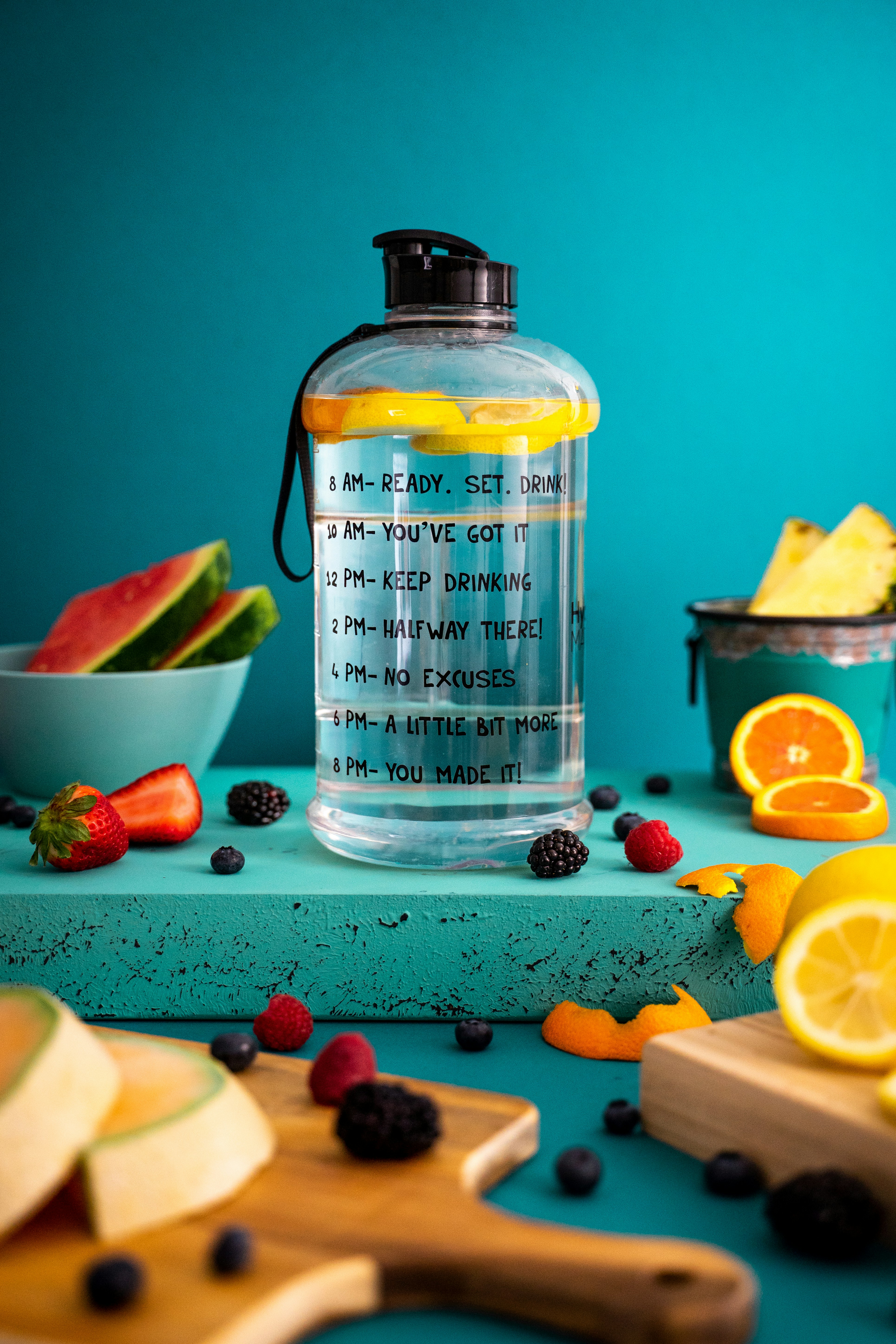
As the day progresses into the afternoon, maintaining hydration habits can become more challenging due to busy schedules. One effective technique is to carry a reusable water bottle throughout the day. Having a visual reminder can encourage frequent sips and make hydration more convenient. It is recommended to set specific hydration goals, such as aiming to refill the bottle a certain number of times by the end of the day.Additionally, setting periodic reminders can help establish a consistent drinking routine.
In the evening, preparing for the following day can foster better hydration habits. Consider infusing water with fruits or herbs, such as cucumber or mint, to create a refreshing beverage that can be more appealing than plain water. This not only enhances flavor but also makes it easier to reach daily hydration goals. Enjoying this flavored water during dinner may encourage more mindful consumption.
Before bed, it is advisable to moderate water intake to avoid disrupting sleep with nighttime bathroom trips. However, sipping a small glass of water can help maintain hydration through the night. Incorporating these strategies across different times of the day can significantly improve hydration habits, promoting overall health and vitality.
Hydration and Exercise: Maximizing Performance
Hydration plays a fundamental role in optimizing physical performance, underscoring the importance of maintaining adequate fluid levels during exercise. The body potentially loses significant amounts of water through sweat, especially during prolonged or vigorous workouts, which can lead to dehydration if not managed effectively. Therefore, developing good hydration habits is crucial for athletes and fitness enthusiasts alike.
Prior to engaging in physical activity, it is recommended that individuals consume approximately 500 mL (17 oz) of water about two hours beforehand. This pre-exercise hydration not only ensures that the body is well-prepared for the upcoming demands but also helps to maintain optimal thermoregulation during the workout. For those participating in activities lasting over an hour, incorporating electrolyte solutions can provide additional benefits, replenishing lost sodium and potassium while aiding in fluid retention.
During the workout, it is advisable to drink every 15 to 20 minutes, with quantities ranging from 200-300 mL (7-10 oz), depending on personal sweat rates and environmental conditions. Particularly in strenuous or extended exercise sessions, utilizing drinks formulated with electrolytes can further enhance hydration, helping to prevent fatigue and maintain performance levels. Signs of inadequate hydration during exercise include decreased endurance, increased perceived effort, and a rise in heart rate, all of which can impede overall performance.
Following exercise, hydration habits should remain a priority to facilitate recovery. An effective guideline is to consume at least 1.5 times the amount of fluid lost during the workout, ideally incorporating a mix of water and electrolyte-rich beverages. This post-exercise hydration helps to restore fluid balance and reduces muscle soreness, allowing for quicker recovery and improved athletic readiness. In conclusion, by prioritizing proper hydration before, during, and after exercise, individuals can significantly enhance their performance and overall health.
Signs of Dehydration and How to Address It
Recognizing the signs of dehydration is crucial for maintaining optimal health. Dehydration occurs when the body loses more fluids than it takes in, leading to an imbalance that can affect various bodily functions. The symptoms can range from mild to severe, and understanding these signs can help individuals promptly address their hydration needs.
Mild dehydration may manifest through symptoms such as dry mouth, thirst, fatigue, and diminished urine output. In such cases, it is essential to increase fluid intake to restore hydration levels. Drinking water is the most straightforward solution; however, beverages that contain electrolytes, such as sports drinks or coconut water, can also be beneficial. Foods high in water content, like fruits (such as watermelon and oranges) and vegetables (such as cucumbers and lettuce), can further aid in rehydration. Incorporating these options into daily meals can significantly improve hydration habits.
In more severe cases, dehydration can lead to significant symptoms, including rapid heartbeat, dizziness, confusion, and an inability to keep fluids down. If a person experiences these critical signs, it is vital to seek immediate medical assistance. In clinical settings, rehydration may be achieved through intravenous fluids, which provide a quick and effective way to replenish lost fluids and electrolytes.
For everyday hydration habits, it is encouraged to set regular intervals for drinking water, such as during meals or after physical activity. Awareness of the body’s signals, such as thirst, can also aid in recognizing when to hydrate. Understanding these symptoms and implementing proactive measures enhances one’s ability to maintain adequate hydration levels, ultimately supporting overall health and well-being.
Tips for Maintaining Hydration During Travel
Traveling, whether by air or land, presents unique challenges when it comes to maintaining hydration habits. Staying adequately hydrated while on the go is essential, as changes in environment and schedule can easily disrupt one’s routine. To help ensure your hydration levels remain optimal during your travels, here are several effective strategies to consider.
Firstly, invest in a reusable water bottle. Many airports and travel destinations now offer water refill stations, allowing travelers to stay hydrated without relying on single-use plastic bottles. Packing a lightweight, collapsible water bottle is also a practical choice for road trips where space may be limited. By keeping this essential item on hand, you can monitor your water intake more effectively throughout your journey.
Secondly, it is important to consider the climate of your destination. Different environments can impact hydration needs; for instance, higher altitudes and hotter climates can lead to increased fluid loss. Make it a habit to drink water regularly and increase your fluid intake if you notice symptoms of dehydration, such as dizziness or dry mouth. To maintain hydration habits aligned with your activities, set reminders on your phone to encourage you to drink water at regular intervals, especially during long flights or car rides.
Additionally, be mindful of food choices during your travels. Incorporating hydrating foods, such as fruits and vegetables, into your meals can greatly assist in meeting your hydration goals. Snacks like watermelon, cucumbers, and oranges can provide both hydration and essential nutrients, making them ideal for travel. When faced with limited access to clean drinking water, consider carrying water purification tablets or a filtration bottle to ensure safe hydration.
By incorporating these strategies into your travel plans, you can effectively manage your hydration habits and promote your overall health and well-being. Adapt to varying circumstances, and prioritize consistency in hydration, regardless of your travel mode or destination.
Conclusion: Making Hydration a Lifelong Habit
Maintaining proper hydration is essential for overall health and well-being. Throughout this blog post, we have explored various strategies to foster effective hydration habits that can significantly impact your daily life. By prioritizing fluid intake and being mindful of your hydration habits, you can promote better physical and mental health. It is vital to remember that fluid needs can differ based on various factors such as activity level, climate, and individual health conditions, which means a one-size-fits-all approach may not be adequate.
Incorporating water-rich foods into your diet, like fruits and vegetables, serves as an additional way to contribute to your hydration needs. It involves not just drinking water but also embracing other beverages and consuming foods that support overall fluid balance. Developing routine practices such as carrying a water bottle can serve as a simple yet effective reminder to uphold your hydration habits throughout the day.
To transform hydration from a temporary focus into a lifelong habit, you may consider setting specific hydration goals and tracking your intake. This not only allows you to understand your personal hydration needs but also reinforces the importance of prioritizing fluid intake. Understanding the signs of dehydration and incorporating strategic reminders, such as scheduled breaks for drinking fluids, can also contribute towards making hydration an integral part of your daily routine.
Ultimately, the long-term health benefits associated with good hydration habits are significant and multifaceted. From improved cognitive function and better digestion to enhanced physical performance and skin health, the advantages are abundant. By adopting and sustaining effective hydration habits, you can aspire to achieve optimal health and well-being throughout your life.