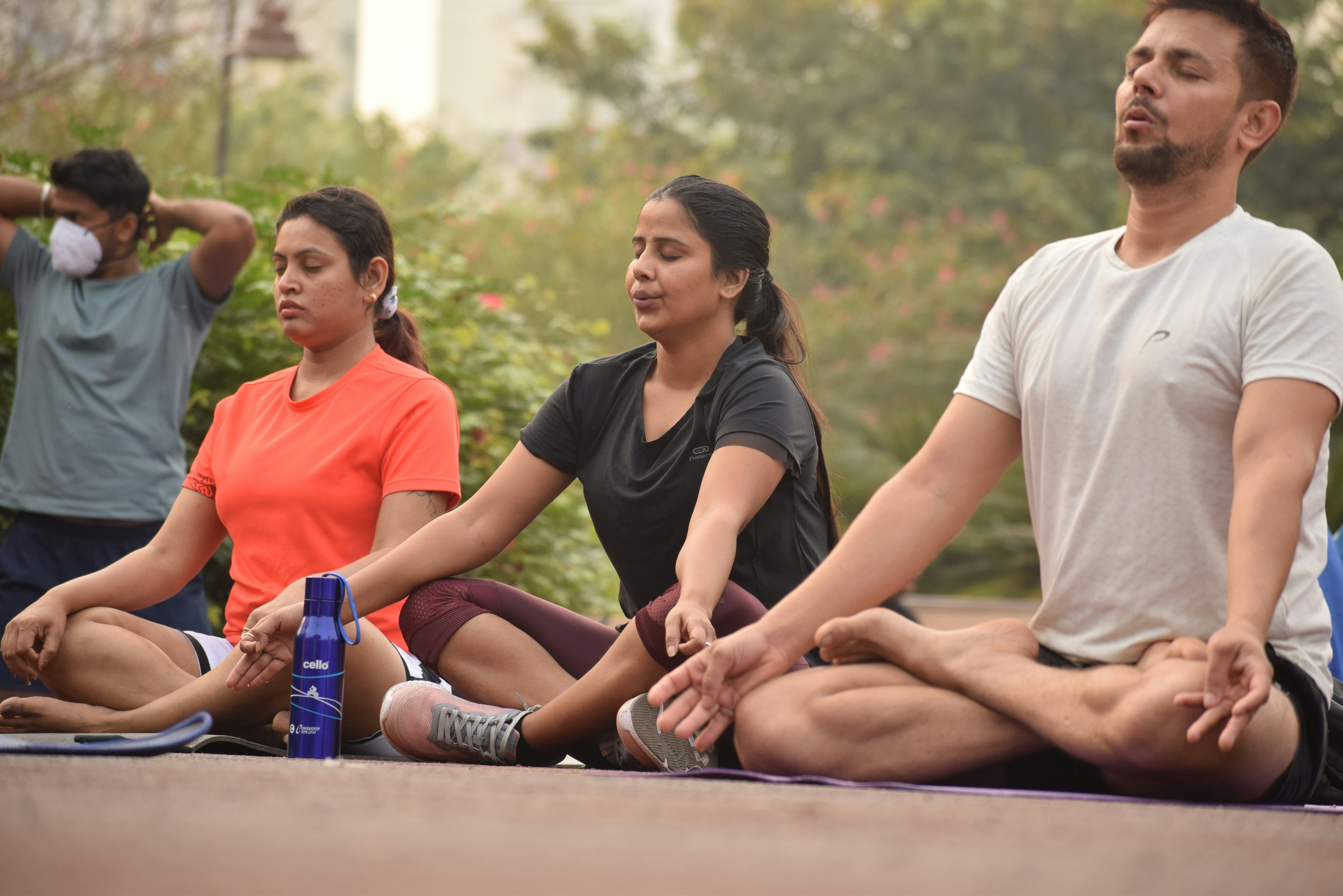
Introduction to Deep Breathing
Deep breathing refers to a breathing technique that emphasizes fully engaging the diaphragm, allowing deeper inhalation and exhalation compared to normal shallow breathing. This practice is not only a fundamental aspect of various relaxation methods but also encompasses physiological and psychological dimensions that can significantly influence overall well-being.
The importance of a deep breathing routine lies in its multifaceted benefits. Physiologically, deep breathing activates the parasympathetic nervous system, promoting a state of calmness and reducing physiological stress responses. By increasing oxygen intake and improving blood circulation, it can enhance organ function and aid in detoxification. Psychologically, this breathing method fosters mental clarity and emotional stability, helping individuals feel more grounded and connected to their inner selves.
Historically, deep breathing practices have been integral to numerous cultures worldwide. Ancient Indian yoga and Chinese Qigong emphasize breath control as a means of achieving physical and spiritual harmony. In these traditions, deep breathing exercises are believed to foster a deeper sense of peace and mindfulness, paving the way for both improved health and enhanced self-awareness. Similarly, practices like mindfulness meditation focus on breath as a focal point, aiding practitioners in developing concentration and emotional resilience.
Today’s world, often characterized by fast-paced lifestyles and chronic stress, underscores the necessity of adopting a deep breathing routine. With numerous studies highlighting the connection between mindful breathing techniques and mental health improvement, it becomes clear that incorporating deep breathing into daily practices can yield transformative results. Overall, understanding the fundamental principles of deep breathing allows individuals to tap into its profound benefits, ultimately leading to a more balanced and fulfilling life.
The Science Behind Deep Breathing
Deep breathing is a fundamental physiological process that not only sustains life but also plays a crucial role in maintaining overall health. When an individual engages in a deep breathing routine, several physiological mechanisms are activated, primarily involving the respiratory and nervous systems. As the diaphragm contracts and expands, it allows for a greater volume of air to fill the lungs, facilitating optimal oxygen exchange. This process enhances oxygenation of the blood, which is essential for the functioning of vital organs and tissues.
Furthermore, deep breathing significantly impacts the body’s stress response. During moments of stress, the adrenal glands release hormones such as cortisol, which can lead to feelings of anxiety and discomfort. Engaging in a deliberate deep breathing routine helps to counteract this effect by promoting the activation of the parasympathetic nervous system, also known as the “rest and digest” system. This activation reduces the production of stress hormones and encourages a state of relaxation, ultimately diminishing feelings of anxiety.
The mental health benefits associated with deep breathing extend beyond stress reduction. Engaging in focused deep breathing exercises has been shown to improve concentration and cognitive function. This is largely attributed to the increased oxygen supply to the brain, which is crucial in enhancing mental clarity and focus. Moreover, by fostering a sense of calm and control, deep breathing can help individuals manage their thoughts and emotions more effectively, thus contributing to overall well-being.
In conclusion, understanding the science behind deep breathing highlights its significant impact on both physiological and psychological health. By integrating a structured deep breathing routine into daily life, individuals can harness these benefits, leading to improved respiratory function, reduced stress, and enhanced mental acuity.
Different Deep Breathing Techniques
Deep breathing routines encompass various techniques that can significantly reduce stress, enhance relaxation, and promote mental clarity. Among the most recognized methods are diaphragmatic breathing, the 4-7-8 technique, box breathing, and alternate nostril breathing. Each approach has unique steps and benefits, making them suitable for different situations and preferences.
Diaphragmatic breathing, also known as abdominal or belly breathing, is a fundamental technique. To practice this, sit or lie down comfortably. Place one hand on your chest and the other on your abdomen. Inhale deeply through your nose, ensuring your diaphragm expands, which causes your abdomen to rise while your chest remains still. Hold your breath for a moment, then exhale slowly through your mouth. This technique is beneficial when seeking a quick way to calm the mind and body.
The 4-7-8 technique is another effective practice, particularly for promoting restful sleep. Begin by inhaling quietly through your nose for a count of four. Hold your breath for a count of seven, and then exhale completely through your mouth, making a whooshing sound for a count of eight. Repeat this cycle at least four times. This method is especially useful for managing anxiety and improving relaxation before bedtime.
Box breathing, often utilized by athletes and military personnel, involves inhaling, holding, exhaling, and holding again, each for a duration of four counts. This structured method helps enhance focus and self-regulation. To perform box breathing, inhale through your nose for four counts, hold for four counts, exhale through your mouth for four counts, and hold again for four counts before repeating the process.
Lastly, alternate nostril breathing is a yogic technique that promotes balance and relaxation. To practice, sit comfortably and use your right thumb to close your right nostril. Inhale deeply through the left nostril. Close the left nostril using your right ring finger, and release your thumb from the right nostril. Exhale through the right nostril, then inhale through it, closing it again to exhale through the left nostril. This technique can be particularly beneficial for improving concentration and managing stress levels.
Creating a Deep Breathing Routine
Incorporating a deep breathing routine into your daily life can significantly enhance your overall well-being. To establish a successful practice, the first step involves determining the best times to practice. Early mornings can be an ideal opportunity, as starting the day with mindful breathing sets a positive tone. Alternatively, consider scheduling breaks throughout the day to engage in short deep breathing sessions, particularly during stressful moments or before important tasks. Consistency is key; aim to dedicate specific times each day for optimal benefits.
Determining how long to engage in your deep breathing practice also plays a crucial role in its effectiveness. Beginners may start with just five minutes per session and gradually increase the duration as they become more comfortable. Research suggests that even short sessions of conscious breathing can alleviate stress and promote mental clarity. Aim for a target of 10 to 15 minutes per day, divided into smaller segments or done in single practice, depending on personal preference.
Creating a peaceful environment is essential for a successful deep breathing routine. Begin by finding a quiet, comfortable space free from distractions. This can be a designated area in your home, a park, or any location where you feel at ease. Enhancing this setting with soothing elements, such as calming scents, soft lighting, or tranquil sounds, can further amplify the benefits of your breathing exercises. Consider playing gentle instrumental music or using aromatherapy to enhance relaxation. Remember that the intention of your environment is to reinforce a sense of tranquility and focus, which is necessary for effective deep breathing practice.
By incorporating these practical tips into your life, you will be better positioned to enjoy the numerous advantages a well-established deep breathing routine can offer.
Indications and Benefits of Regular Deep Breathing
Regular deep breathing routines have been shown to generate a myriad of mental and physical benefits that are crucial for overall well-being. One of the primary indications for incorporating deep breathing exercises into daily life is the significant reduction in anxiety levels. Research indicates that engaging in focused breathing techniques can activate the parasympathetic nervous system, leading to a calming effect that helps to alleviate stress and anxiety.
Increased focus is another notable benefit of practicing a deep breathing routine. Studies suggest that when individuals take part in deep breathing exercises, it enhances their cognitive function, allowing for improved concentration and mental clarity. This boost in cognitive capabilities can be particularly beneficial in high-pressure environments, enabling better decision-making and productivity.
Additionally, deep breathing supports enhanced emotional regulation. By incorporating this practice into everyday life, individuals may find themselves better equipped to manage their emotional responses to various situations, leading to a more balanced mood and reduced occurrences of emotional distress. Reports from participants in wellness programs have praised deep breathing for its ability to foster a sense of emotional resilience.
Quality of sleep is another area where deep breathing routines have demonstrated significant improvements. Deep breathing promotes relaxation and aids in preparing the body for restful sleep, helping to reduce insomnia and sleep disturbances. This benefit is especially relevant in today’s fast-paced lifestyle, where stress often interferes with sleep patterns.
Overall, the practice of regular deep breathing serves as a powerful tool for effective stress management. Testimonials and scientific studies support the notion that these exercises can lead to a more focused mind, emotional stability, and improved sleep quality. As individuals increasingly integrate deep breathing techniques into their lives, they cultivate a healthier mindset and a more balanced approach to daily challenges.
Challenges and How to Overcome Them
Embarking on a deep breathing routine can offer numerous benefits, but individuals may encounter various challenges as they begin their practice. One common issue is difficulty in maintaining focus during breathing exercises. As thoughts wander, practitioners may find it hard to concentrate, which can lead to frustration and discouragement. To combat this, incorporating mindfulness techniques can be beneficial. For instance, one can start by setting a specific time for practice, creating a calming environment, and using guided meditation resources that reinforce concentration on breathing. Additionally, individuals might try counting each breath or visualizing their breath as a wave that rises and falls, which can help ground their thoughts.
Another hurdle is discomfort that may arise during deep breathing. This discomfort can stem from physical tension, anxiety, or even unfamiliarity with the technique. To overcome this obstacle, practitioners should start with shorter sessions, gradually increasing their duration as their comfort levels improve. Additionally, performing gentle stretches before beginning a breathing routine can ease physical tension. Ensuring the body is in a comfortable position—whether seated or lying down—can further alleviate discomfort and create a more conducive atmosphere for practice.
Lastly, skepticism about the effectiveness of a deep breathing routine can impede consistent practice. Those doubtful of its benefits may need encouragement or validation. Seeking testimonials or scientific research on the impacts of deep breathing can provide the necessary motivation. Connecting with a community, whether online or in-person that shares similar goals, can also help reinforce commitment. By addressing these common challenges thoughtfully and employing strategic techniques, individuals can foster a rewarding deep breathing practice that enhances overall well-being.
Deep Breathing in Daily Life
Incorporating a deep breathing routine into daily life can significantly enhance overall well-being. One of the most effective scenarios for employing these techniques is during work breaks. Taking a few minutes to engage in deep breathing exercises can help to reduce stress and increase focus. For instance, simply stepping away from your desk and closing your eyes while inhaling deeply through the nose and exhaling slowly from the mouth can create a moment of calm amidst a busy workday.
Similarly, deep breathing can serve as a helpful tool before going to sleep. Many individuals struggle with racing thoughts, which can hinder their ability to relax. Establishing a pre-sleep routine that includes deep breathing can help calm the mind and prepare the body for rest. One effective method is the 4-7-8 technique, which involves inhaling for 4 seconds, holding the breath for 7 seconds, and exhaling for 8 seconds. This practice can facilitate a more restful night’s sleep.
Moments of stress and anxiety are also prime opportunities to use deep breathing techniques. Whether facing a challenging situation at work or dealing with personal issues, dedicating a few moments to focus on deep, controlled breaths can alleviate tension and foster a sense of relaxation. To help remember to practice these exercises, individuals can set reminders on their phones or employ visual cues, such as sticky notes in visible areas, to prompt these pauses throughout the day.
Additionally, incorporating deep breathing routines into everyday situations not only reduces the impact of stressors but also encourages a more mindful approach to life. By training the body and mind to respond positively to stress through these practices, individuals can enhance their emotional resilience and overall health.
Deep Breathing for Specific Populations
Deep breathing exercises offer remarkable benefits across various demographics, including children, the elderly, and pregnant women. Understanding how to tailor these techniques to meet the unique needs of each group can enhance both safety and effectiveness. This section highlights the key adaptations necessary for these specific populations, ensuring individuals can establish a beneficial deep breathing routine.
For children, deep breathing can serve as a playful yet effective method to cultivate relaxation and focus. Techniques such as ‘belly breathing’ can be both engaging and simple, encouraging children to visualize their belly rising and falling with each breath. Introducing fun imagery, such as pretending to blow up a balloon, can make the exercise more enjoyable. It is crucial, however, to maintain a gentle guidance approach, ensuring that children feel comfortable and not pressured during their practice.
Meanwhile, elderly individuals may require adapted techniques due to possible limitations in lung capacity, mobility, and physical health. Guided deep breathing sessions that incorporate slow, rhythmic patterns can aid in promoting relaxation. Seated or lying down positions can provide additional stability and comfort, allowing for a safe deep breathing routine. Additionally, visual aids or calming music can enhance the experience, encouraging deeper engagement and effectiveness.
For pregnant women, deep breathing exercises can serve as powerful tools for stress relief and preparation for labor. Techniques such as diaphragmatic breathing can be beneficial, helping to alleviate stress and improve oxygen flow. Specific modifications should be made, including ensuring that the breathing practice is performed in comfortable positions, such as sitting or lying on the side. Pregnant women should always consult with healthcare professionals before embarking on any new respiratory routines to ensure safety for both mother and child.
Ultimately, deep breathing techniques can be effectively adapted to accommodate various populations, ensuring that individuals can harness the full potential of these exercises. With appropriate modifications, deep breathing routines can contribute to overall well-being across the lifespan.
Conclusion: Embracing Deep Breathing for a Healthier Life
In the journey toward improved well-being, incorporating a deep breathing routine has emerged as an effective strategy that individuals can adopt readily. Throughout this guide, we have explored the various benefits associated with deep breathing, establishing its role in promoting relaxation, reducing stress, and enhancing overall health. This practice offers not only immediate relief from anxiety but also contributes to long-term wellness by improving lung capacity and oxygen flow throughout the body.
A consistent deep breathing routine is essential for maximizing its benefits. By integrating deep breathing exercises into daily life, individuals can train their bodies and minds to respond more adeptly to stressors. Even a few moments of focused breathing can stimulate the body’s relaxation response, allowing one to manage stress effectively and mitigate feelings of overwhelm. The importance of mindfulness cannot be overstated; by paying attention to the breath, practitioners can cultivate a deeper connection to their physical and emotional states, leading to heightened self-awareness and improved mental clarity.
Moreover, deep breathing isn’t just a tool for stress relief; it can also enhance emotional resilience and foster a positive outlook on life. As people embrace this simple yet transformative practice, they will likely find an increase in emotional stability and a greater sense of overall balance. The accessibility of deep breathing as a health tool makes it particularly appealing. It does not require special equipment or a considerable time commitment, making it feasible for anyone to incorporate into their routine.
As we conclude this exploration, it is encouraged that readers take the initiative to embrace deep breathing. By committing to this practice, one can unlock the potential for improved physical health, emotional well-being, and a transformative approach to stress management. Embrace the power of deep breathing, and witness the positive changes it can bring to your life.