Introduction to Healthy Drinking Habits
Hydration plays a critical role in maintaining overall health and well-being, making the development of healthy drinking habits pivotal. Water, being the cornerstone of hydration, is essential for various bodily functions, including digestion, circulation, and temperature regulation. However, the beverages we consume are equally significant, influencing our physical health, mental clarity, and emotional balance.
Understanding the concept of healthy drinking habits encompasses recognizing not only the quantity of liquids consumed but also their quality. The choices we make regarding what we drink can significantly impact our energy levels, cognitive functions, and even our mood. For instance, opting for water, herbal teas, or diluted fruit juices over sugary sodas or energy drinks can lead to improved hydration without the added calories and sugar. This awareness fosters better decision-making that aligns with one’s health goals.
In addition to choosing healthier beverages, developing regular drinking habits can help maintain optimal hydration levels. It is advisable to adhere to a schedule that includes drinking fluids throughout the day rather than consuming large amounts all at once. This approach ensures steady hydration, supporting both physical and mental performance. Furthermore, being mindful of hydration needs during physical activity or in hot climates is essential for preventing dehydration-related complications.
The benefits of cultivating healthy drinking habits extend beyond immediate hydration needs. Improved drinking practices can lead to enhanced skin health, weight management, and reduced risk of chronic diseases such as obesity and diabetes. Consequently, embracing a conscious approach to drinking not only promotes physical health but also contributes to mental well-being. By prioritizing healthy drinking habits, individuals can experience a holistic improvement in their lifestyle and overall quality of life.
Understanding the Role of Hydration
Hydration plays a crucial role in maintaining overall health and well-being. Water is fundamental to nearly every bodily function, from regulating temperature and cushioning joints to facilitating digestion and transporting nutrients. It is an essential component of cells, tissues, and organs, ensuring that they operate smoothly. The body loses water daily through processes such as respiration, perspiration, and urination, making it vital to replenish these lost fluids regularly.
The recommended daily water intake varies among individuals, typically ranging from 2.7 liters for women to 3.7 liters for men, according to the National Academies of Sciences, Engineering, and Medicine. However, these figures can fluctuate based on factors such as age, activity level, and climate. For instance, those involved in regular physical activities or residing in warmer climates require increased hydration to compensate for additional water loss through sweat. Similarly, older adults may have reduced thirst sensations, necessitating conscious efforts to consume adequate fluids.
Recognizing the signs of dehydration is critical in promoting healthy drinking habits. Common symptoms include dry mouth, fatigue, dizziness, and a decreased frequency of urination. More severe cases can lead to confusion, rapid heartbeat, and fainting. Individuals must learn to listen to their bodies and respond appropriately to their hydration needs. Adopting a routine that promotes regular fluid intake, such as carrying a water bottle or scheduling reminders, can be beneficial in preventing dehydration.
Incorporating a variety of fluids, not just water, is also important for meeting hydration needs. Herbal teas, fruit-infused waters, and even certain fruits and vegetables contribute to overall fluid intake, enhancing the experience of healthy drinking habits. Recognizing personal hydration requirements and taking proactive steps to meet them is essential for maintaining optimal health.
Healthy Beverage Choices
Making informed decisions about beverages is crucial for establishing and maintaining healthy drinking habits. Water, an essential component of human health, should be the backbone of one’s daily fluid intake. It is calorie-free, hydrating, and helps regulate body temperature, making it a superior choice compared to many alternatives. The pivotal role of water cannot be overstated; it helps in digestion and can even assist in weight management by promoting a feeling of fullness without the added calories.
Herbal teas also present a wonderful option. These caffeine-free alternatives boast numerous health benefits, including antioxidants, which combat oxidative stress, and various properties that can aid digestion and overall well-being. Popular herbal options include chamomile, peppermint, and hibiscus, each offering distinct flavors and health benefits. Moreover, these teas can be enjoyed warm or iced, making them a versatile choice for any season.
For those seeking variety, natural fruit infusions provide an excellent way to enhance water consumption. By adding slices of fruits like lemon, cucumber, or berries, individuals can create refreshing beverages that make hydration enjoyable. This method not only improves the flavor but can also contribute additional vitamins, encouraging a more frequent intake of healthy fluids.
Conversely, it is essential to be aware of what to avoid in beverage choices. Sugary drinks, including sodas and energy drinks, are laden with empty calories and can lead to various health issues such as weight gain and increased risk of diabetes. Similarly, excessive caffeine consumption from sources like coffee and energy drinks can lead to dependency and adverse health effects. In social settings, opting for sparkling water or herbal teas instead of sugary cocktails can still allow participation, all while supporting healthier drinking habits. Through conscious decisions around beverage consumption, individuals can significantly enhance their wellness journey.
Alcohol Consumption Guidelines
The practice of responsible alcohol consumption is essential for maintaining healthy drinking habits and minimizing potential health risks. Understanding the guidelines for moderate drinking can support individuals in enjoying social settings while prioritizing their well-being. The Centers for Disease Control and Prevention (CDC) suggests that moderate drinking is defined as up to one drink per day for women and up to two drinks per day for men. These limits aim to reduce the health risks associated with excessive alcohol intake.
Exceeding these recommendations can lead to various health issues, including liver disease, cardiovascular problems, and increased risk of certain cancers. It is also important to recognize that individual tolerances to alcohol can vary based on factors such as age, weight, and general health. As such, individuals should consider their unique circumstances when making decisions about alcohol consumption.
For those who choose to consume alcohol, there are several strategies to promote healthy drinking habits. First, always opt for smaller servings, such as half-pints of beer or smaller glasses of wine. This practice allows for better control over intake. Additionally, it is advisable to alternate alcoholic beverages with water or other non-alcoholic options; this can help maintain hydration and curb overall alcohol consumption.
Moreover, setting limits before attending social gatherings can foster mindful drinking. It may be beneficial to keep track of how many drinks have been consumed and to resist the pressure to drink excessively in social situations. When enjoying alcohol, savoring each drink slowly can enhance the experience while reducing the likelihood of overindulgence.
In conclusion, adhering to alcohol consumption guidelines and adopting strategies for responsible drinking can significantly contribute to a balanced approach to alcohol use. By focusing on moderation, individuals can enjoy the social aspects of drinking while safeguarding their long-term health.
The Impact of Sugary and High-Calorie Beverages
In recent years, the consumption of sugary and high-calorie beverages has escalated significantly, posing considerable health risks to individuals. According to studies, the average American consumes approximately 200 to 300 calories a day from sugary drinks, which contributes to an increased risk of obesity and various metabolic disorders. This rise in consumption is a worrying trend, as sugary beverages are often devoid of essential nutrients while being high in empty calories, leading to excessive calorie intake without promoting satiety.
The link between sugary drink consumption and obesity is well documented. Research indicates that for every additional 12-ounce sugary beverage consumed daily, the risk of obesity increases by approximately 60% among children. This alarming statistic highlights the necessity of adopting healthy drinking habits to mitigate these risks. Furthermore, excessive sugar intake can lead to insulin resistance, prompting metabolic disorders such as type 2 diabetes, heart disease, and fatty liver disease.
To counteract these health concerns, individuals are encouraged to reduce their intake of sugary and high-calorie beverages. One practical approach is to replace these drinks with healthier alternatives. Water, herbal teas, and infused water with fruits provide hydrating and refreshing options without the added sugar. Additionally, choosing unsweetened beverages, such as black coffee or sparkling water, can help maintain hydration while supporting overall health.
Incorporating healthy drinking habits into daily routines not only aids in weight management but also promotes better metabolic health. Setting specific goals to limit sugary beverage intake, such as maintaining a monthly tracker or committing to one sugary drink per week, can also foster more conscientious choices. Ultimately, by actively making healthier decisions regarding beverage consumption, individuals can greatly improve their well-being and reduce the risk of chronic health issues.
Mindful Drinking Practices
Mindful drinking involves approaching beverage consumption with intention and awareness, allowing individuals to make healthier choices and foster a deeper connection with what they are consuming. By being more present at the moment and recognizing bodily cues, one can cultivate healthy drinking habits that promote overall well-being. This practice encourages individuals to thoughtfully consider their drink selections, rather than mindlessly consuming whatever is convenient or accessible.
One of the fundamental strategies for mindful drinking is to pay close attention to thirst cues. Often, we may overlook these signals due to distractions or a busy lifestyle. By regularly checking in with oneself to identify genuine thirst, individuals can ensure they stay adequately hydrated. This may lead to choosing water or other nutrient-rich beverages over sugary drinks or alcoholic options—ultimately contributing to healthier drinking habits.
Savoring each sip is another vital aspect of mindful drinking. Taking the time to appreciate the flavor and texture of a beverage can enhance overall enjoyment and satisfaction, which may reduce the likelihood of overconsumption. When we consciously engage our senses while drinking, it allows us to derive fulfillment from smaller quantities, leading to improved health outcomes.
Making conscious choices about beverages is equally important. This involves being informed about nutritional content and potential effects on health. Whether selecting a drink at the grocery store or ordering at a café, understanding the implications of various beverage options enables one to opt for healthier alternatives. By integrating this awareness into daily routines, individuals can cultivate sustainable, healthy drinking habits that contribute positively to their lifestyle.
In conclusion, practicing mindfulness in drinking not only promotes health but also enriches the overall experience. By tuning into personal needs, savoring drinks, and making informed choices, individuals can develop a more compassionate relationship with what they consume, aligning their drinking habits with their wellness goals.
Tips for Staying Hydrated Throughout the Day
Maintaining healthy drinking habits is essential for overall well-being, and staying hydrated throughout the day can significantly impact your energy levels, mood, and even physical performance. Here are some practical tips to ensure adequate hydration during your daily routine.
One effective strategy is to set reminders to drink water regularly. This can be achieved using smartphone applications, calendar alerts, or even simple sticky notes placed in visible areas. By prompting yourself to drink throughout the day, you can develop a natural routine that promotes consistent hydration.
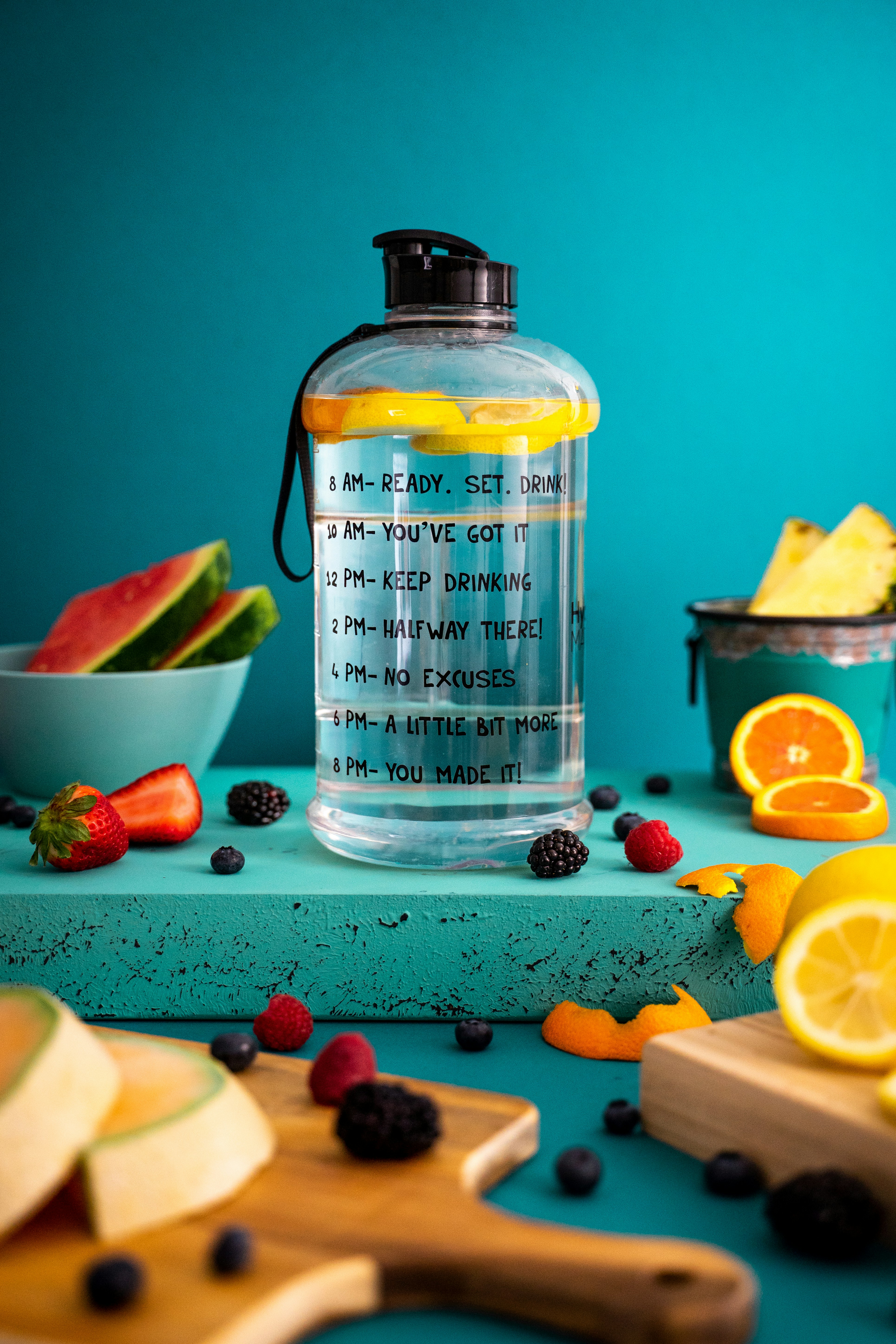
Additionally, carrying a refillable water bottle is another beneficial practice. A personal bottle not only serves as a constant reminder to hydrate but also makes it easy to track your water intake. Opt for a bottle that provides measurements on the side, allowing you to monitor how much you drink during the day. Having water readily available can encourage more frequent sipping, making it easier to maintain healthy drinking habits.
Infusing water with flavors can also make the process more enjoyable. By adding slices of fruits such as lemons, limes, or berries, you can enhance the taste without introducing extra sugars or calories. Herbal teas and sparkling water can also serve as refreshing alternatives, helping to break the monotony of plain water.
Finally, incorporating hydrating foods into your meals can further support your efforts to maintain hydration. Fruits like watermelon, oranges, and strawberries, as well as vegetables such as cucumbers and lettuce, have high water content and contribute toward your daily fluid intake. By integrating these hydrating foods into your diet, you can complement your drinking habits and promote better hydration overall.
By applying these tips, you can cultivate sustainable healthy drinking habits that ensure you remain adequately hydrated throughout the day.
Dehydration: Causes, Effects, and Prevention
Dehydration occurs when the body loses more fluids than it takes in, leading to an imbalance that can significantly affect overall health and wellness. Various factors can contribute to dehydration, including excessive heat, vigorous physical activity, certain illnesses, and inadequate fluid intake. In some circumstances, increased fluid loss can also result from vomiting, diarrhea, or fever. Maintaining healthy drinking habits is crucial for combating these potential risks.
The effects of dehydration can be mild to severe, depending on the extent of fluid loss. Common early symptoms include thirst, reduced urine output, and fatigue. As dehydration progresses, it can lead to more serious conditions such as dizziness, confusion, rapid heartbeat, and even unconsciousness. This underscores the importance of recognizing the signs early and taking appropriate action. A well-hydrated body significantly enhances physical performance, cognitive abilities, and overall well-being.
To prevent dehydration and promote healthy drinking habits, consider the following strategies: firstly, aim for a consistent intake of fluids throughout the day. While individual needs can vary based on factors such as age, activity level, and environmental conditions, a general guideline is to consume at least eight 8-ounce glasses of water daily. Additionally, being mindful of fluid losses during exercise or hot weather can help maintain balance.
It is also essential to listen to your body; thirst is often an indicator that hydration is needed. Incorporating hydrating foods, such as fruits and vegetables, can further support hydration levels. In case of severe symptoms, or if dehydration symptoms persist despite increased fluid intake, seeking medical help is paramount. Understanding the causes and effects of dehydration, combined with proactive steps to ensure adequate hydration, can lead to the healthy drinking habits that are key to maintaining optimal health.
Creating Your Personalized Hydration Plan
Developing a personalized hydration plan is essential for fostering healthy drinking habits tailored to your lifestyle and needs. Each individual’s hydration requirements can vary greatly depending on factors like age, activity level, and climate. To begin creating your plan, it is crucial to reflect on your current drinking habits. Consider how often you consume fluids, what types of beverages you typically choose, and how your lifestyle influences your hydration needs. This self-assessment serves as the foundation for setting more specific hydration goals.
Once you have a clear understanding of your drinking habits, the next step is to establish a reasonable daily hydration goal. The general recommendation for water intake is roughly eight 8-ounce glasses each day, equating to about 2 liters. However, you may need to adjust this figure based on your personal circumstances. For example, those who engage in regular physical activity or live in hotter climates may require additional fluids. A good approach is to listen to your body and pay attention to signs of dehydration, such as dry mouth, fatigue, or dark-colored urine.
To keep track of your progress, consider maintaining a hydration journal or utilizing a mobile app dedicated to health and wellness. Record the types and quantities of liquids consumed throughout the day, which can provide insight into patterns and areas for improvement. Regularly reviewing this information allows you to make informed adjustments to your hydration habits. Additionally, aim to diversify your fluid intake by including water-rich foods, herbal teas, or infused waters. This not only enhances your overall drinking experience but also supports healthy drinking habits in your daily routine. Ultimately, creating a personalized hydration plan can improve your well-being and ensure optimal health outcomes.