Introduction to Time Blocking
Time blocking is a strategic time management technique that involves allocating specific blocks of time to different tasks or activities throughout the day. This method allows individuals to focus on a single task during each time segment, reducing the tendency to multitask and ultimately fostering a more productive work environment. By delineating clear periods for work, personal duties, and breaks, a time blocking routine helps eliminate distractions and encourages deeper concentration on the task at hand.
One of the primary advantages of implementing a time blocking strategy is the enhancement of productivity. When tasks are scheduled in advance, individuals can approach their workload with a defined sense of purpose, knowing precisely when they will focus on specific projects. This clarity not only aids in prioritization but also minimizes the chances of procrastination, as individuals are less likely to deviate from their planned schedule. Improved productivity is often accompanied by a significant reduction in stress, as time blocking allows for a more balanced distribution of responsibilities and ensures that critical tasks do not fall by the wayside.
Moreover, time blocking promotes heightened awareness of how time is spent. By visually mapping out their daily activities, individuals can gain insights into their work habits and identify areas where improvements can be made. For example, they may discover that certain time slots are more productive than others or that specific tasks routinely take longer than anticipated, allowing for better planning in the future.
In addition to increasing efficiency and awareness, a time blocking routine contributes to a more structured approach to one’s day, instilling a sense of discipline and accountability. By dedicating time to focus solely on important tasks, individuals can cultivate a productive mindset, thereby transforming the way they manage their time and accomplish their goals.
The Science Behind Time Blocking
The time blocking routine finds its roots in various psychological and productivity theories which elucidate its effectiveness in time management. One significant aspect is attention management. Cognitive psychology reveals that the human brain has a limited capacity for sustained attention. When individuals attempt to multitask or switch between various tasks frequently, this capacity is diminished, leading to reduced efficiency and increased errors. Time blocking serves as a strategic approach to mitigate this issue by allowing individuals to allocate specific periods for focused work on singular tasks. This focused attention aids in better processing and retention of information, ultimately enhancing productivity.
Another critical concept related to time blocking is the task-switching cost. Research indicates that shifting from one task to another incurs a time penalty, as the brain engages in a reorientation process. This transition time can be considerable, often taking up to 30% of productive working hours. By employing a time blocking routine, individuals create designated intervals for each task, minimizing the necessity for constant mental re-adjustment. Consequently, this practice not only makes time management more streamlined but also fosters sustained focus over extended periods.
Moreover, time blocking aligns seamlessly with the Pomodoro Technique, which emphasizes working within short bursts to discourage burnout and maintain high levels of productivity. Both methodologies center around structured time intervals and encourage regular breaks. The Pomodoro Technique specifically promotes intervals of 25 minutes of concentrated work followed by 5-minute breaks, whereas time blocking can offer longer, more flexible schedules. When implemented together, these strategies can yield a synergistic effect, bolstering concentration and creating a more manageable workload.
In conclusion, understanding the science behind time blocking can equip individuals with the necessary tools to enhance their productivity and focus. By leveraging principles from cognitive psychology, one can appreciate the substantial benefits of this effective time management method.
Steps to Create Your Time Blocking Routine
Establishing an effective time blocking routine requires a methodical approach to ensure that your schedule aligns with your priorities. This section outlines key steps to help you set up a productive time blocking system.
First, choose the tools that work best for you. Time blocking can be implemented using digital planners, traditional paper organizers, or even a simple calendar. Digital tools often provide features like reminders and accessibility from multiple devices, which can be beneficial for those who prefer flexibility. Conversely, paper planners can be more tangible and may help with retention and focus for those who find digital distractions overwhelming.
Next, assess and determine your priorities. Take time to reflect on what tasks are most important for your personal and professional growth. List these priorities and categorize them by urgency and significance. This clarity will enable you to allocate your time effectively within your time blocking routine, ensuring that essential tasks receive the focus they need.
After identifying priorities, estimate the time required for each task. Be realistic about how long tasks generally take. Overestimating or underestimating can disrupt the balance of your time blocking schedule. A good practice is to track how long specific tasks take for a week or two, providing insight into more accurate time estimations in the future.
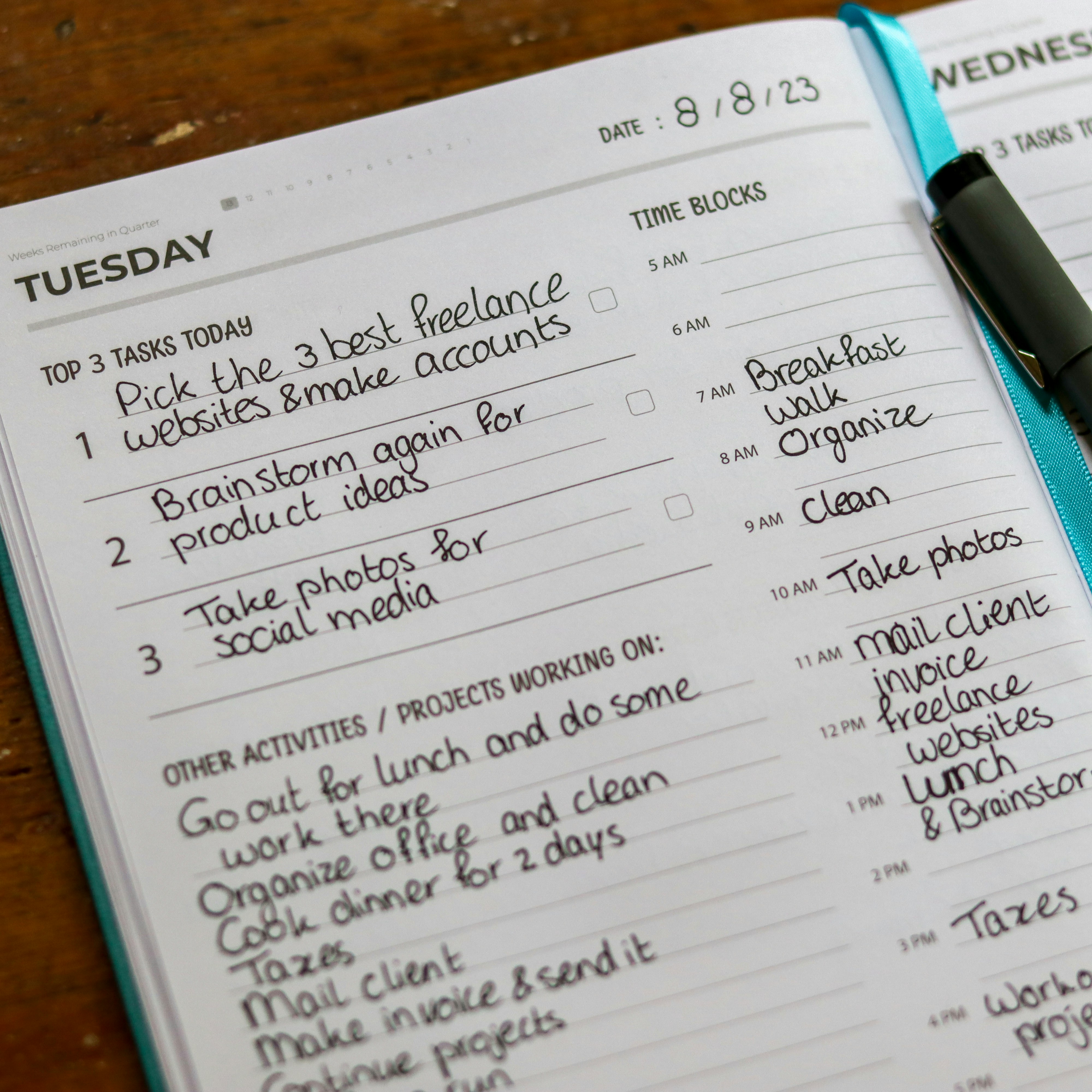
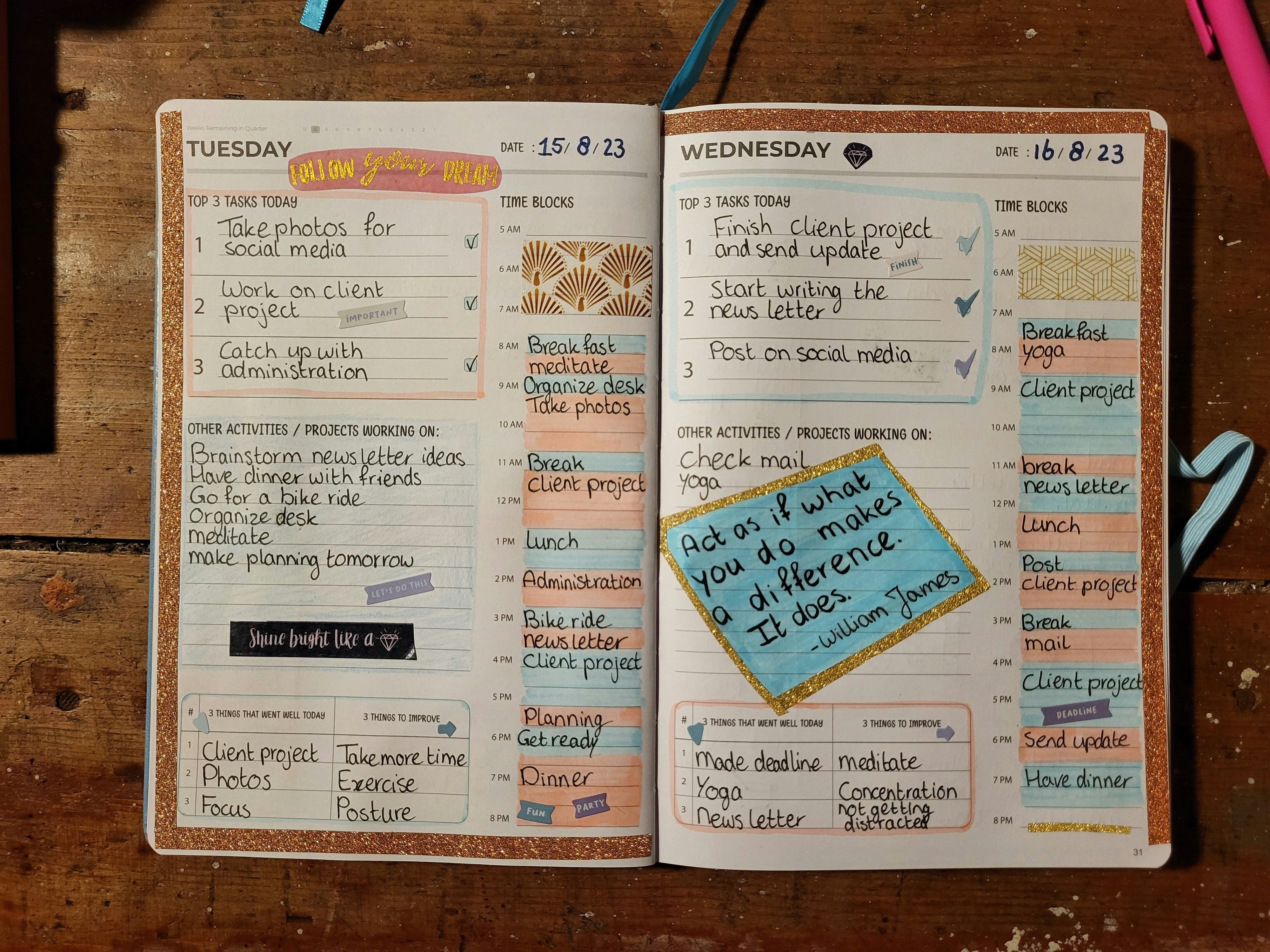
Finally, create a visual schedule. Use the time blocks you’ve defined to organize your day visually. This could be a simple grid format that keeps track of your tasks alongside their allotted times. Customization is key; adjust your time blocking routine to suit your work style and responsibilities. Consider incorporating breaks or adjustments based on your energy levels and preferences to enhance productivity.
Effective Time Blocks: Types and Examples
Implementing a time blocking routine necessitates understanding the various types of time blocks that can enhance productivity and ensure a balanced day. Three major categories of time blocks will be explored: work blocks, break blocks, and personal time blocks. Each category serves a unique purpose and can be tailored to fit individual professions and lifestyles.
Work blocks are integral for maximizing focus and accomplishing tasks. These blocks typically range from 1 to 3 hours and should be scheduled during periods of peak concentration. For instance, a software developer could implement a 2-hour block in the morning dedicated solely to coding projects, minimizing distractions by turning off notifications and employing tools to aid concentration. Other professionals, such as writers or marketers, may choose to allocate their creative time blocks later in the day when they are mentally refreshed, allowing for a productive flow of ideas.
Following work blocks, break blocks are essential for maintaining energy levels and productivity. A recommended approach is the Pomodoro technique, where a 25-minute work segment is followed by a 5-minute break. For example, after completing a work block, a lawyer might take a 15-minute break to review case notes or even go for a brief walk, thereby revitalizing focus for subsequent segments. Break blocks can also include longer intervals for meals or rest—these are vital for mental well-being and ensuring sustained effort throughout the day.
Lastly, personal time blocks focus on non-work-related activities. These blocks can encompass exercise, family time, reading, or hobbies. For example, a teacher might block out time each evening for personal development, such as taking an online course or practicing an instrument. By clearly defining time for personal enrichment, individuals can prevent burnout and foster a rounded life.
Through the thoughtful structuring of work, break, and personal time blocks, one can effectively design a time blocking routine that aligns with their daily responsibilities and enhances overall productivity.
Common Challenges with Time Blocking and Solutions
Implementing a time blocking routine can lead to increased productivity and better time management; however, many individuals encounter several challenges that can hinder their success. By understanding these obstacles and developing strategies to address them, one can create a more effective and sustainable time blocking approach.
One of the most frequently encountered challenges is the lack of flexibility within a time blocked schedule. While sticking to a set plan is essential for maximizing productivity, life often presents unplanned events and interruptions. To mitigate this issue, it is beneficial to allocate buffer time between tasks. This allows for a degree of flexibility, enabling individuals to adapt without significantly disrupting their overall routine. Additionally, adopting a mindset that accepts some variability can make transitions smoother when unexpected changes occur.
Another common obstacle is the disruptive nature of interruptions, whether from colleagues, family, or digital notifications. These disturbances can derail focus and lead to frustration when adhering to a time blocking routine. To counter this, consider establishing dedicated focus periods during which interruptions are minimized. Communicating availability to others and using tools such as “Do Not Disturb” modes on devices can help maintain concentration. It may also be advantageous to identify specific times for responding to emails and messages, distinctly separating them from focused work sessions.
Lastly, the perceived rigidity of a time blocking schedule can deter individuals from fully committing to the method. Some may feel overwhelmed by the idea of adhering strictly to a time-bound agenda. A practical solution is to experiment with a hybrid approach, blending time blocking with more freestyle time management techniques. This combination allows for structure while still accommodating spontaneity, resulting in an effective balance that can foster greater satisfaction and productivity.
Tools and Resources for Time Blocking
Implementing a time blocking routine can greatly enhance productivity, and utilizing the right tools and resources is essential for success. Numerous applications are designed specifically to facilitate time blocking, the most notable being Todoist, Trello, and Google Calendar. These tools provide users with the functionality to create and manage scheduled time blocks effectively. For instance, Todoist allows for the quick organization of tasks into projects and makes it easy to allocate specific time blocks for completion. Trello, with its unique card-based layout, offers a visual representation of tasks, which can help in assigning blocks of time more intuitively. Google Calendar, on the other hand, serves as a comprehensive scheduling platform that enables users to color-code and time-block their days, making it easier to visualize their commitments.
In addition to digital tools, traditional physical planners are still a viable option for those who prefer tangible resources. Many planners now come with pre-structured templates specifically designed for time blocking. These planners often include sections allocated for specific hours, allowing users to write out tasks in a scheduled manner. Templates can also be found online, which can be printed or modified to suit individual preferences. Websites such as Canva or Pinterest exhibit a range of time-blocking templates, providing extensive customization options.
To utilize these tools effectively, one should establish a consistent method of planning. It is advisable to set aside designated times each week to review upcoming tasks and allocate appropriate time blocks. Additionally, limiting the number of active time blocks at any given moment enhances focus and helps to minimize distractions. As individuals become more adept at integrating these tools into their daily routines, they will likely discover new techniques and personal preferences that further optimize the effectiveness of their time blocking routine.
Success Stories: Time Blocking in Action
The effectiveness of a time blocking routine is evidenced by numerous case studies and testimonials from individuals and businesses who have integrated this method into their daily schedules. One compelling example is Sarah, a marketing executive at a technology firm. Faced with tight deadlines and constant interruptions, she adopted time blocking to prioritize her tasks systematically. By allocating specific blocks of time for emails, project planning, and meetings, Sarah reported a remarkable increase in her productivity. Within just a month, she was able to complete projects ahead of schedule and felt far less stressed, showing that a structured approach can yield superb results.
Similarly, a small graphic design agency implemented a time blocking strategy to address issues of delayed project deliveries and team burnout. The managing director introduced the method during weekly planning sessions, encouraging team members to designate portions of their week for creative work, client communications, and administrative duties. The outcome was notable; the team experienced not only improved project turnaround times but also elevated morale as they found a better work-life balance. Employees felt more in control of their schedules, leading to reduced stress and an overall sense of well-being.
Moreover, business owners have harnessed the advantages of a time blocking routine to enhance focus and drive sales. A fitness studio owner utilized this method to streamline staff training and manage class schedules efficiently. By allocating time blocks solely for marketing and customer engagement, along with operational tasks, the business observed a significant uptick in client enrollment and retention rates. This showcases the versatility of time blocking, whether for personal growth or business efficiency, validating its remarkable impact across different fields.
Adapting Time Blocking for Different Lifestyles
Time blocking is a versatile productivity technique that can be customized to fit various lifestyles and work environments. Whether you are a remote worker, a freelancer, or a parent balancing multiple responsibilities, adapting a time blocking routine to your specific situation can enhance your efficiency and help you achieve your goals.
For remote workers, establishing a clear time blocking schedule is crucial. The flexibility that remote work provides can sometimes lead to distractions. To combat this, it may be beneficial to allocate specific blocks of time for focused work while also scheduling breaks. This structured approach can help mitigate the potential for procrastination while allowing for necessary pauses to recharge. Utilizing tools like digital calendars can streamline this process.
Freelancers often juggle multiple projects and clients, making time management essential. A tailored time blocking strategy can help prioritize tasks according to deadlines and importance. By dedicating blocks of time to different clients or projects, freelancers can avoid feeling overwhelmed and ensure that their workload is manageable. Transition times between tasks should also be considered to allow for mental shifts, which can improve overall productivity.
For parents, implementing a time blocking routine can provide much-needed structure in a sometimes chaotic environment. By setting aside specific blocks of time for both work and family activities, parents can create a balance that accommodates their professional and personal obligations. Additionally, involving children in certain activities can foster understanding and respect for time management principles from a young age.
In summary, adapting time blocking to fit diverse lifestyles requires flexibility and a willingness to experiment with different strategies. By setting clear boundaries and tailoring the approach to individual needs, anyone can implement a successful time blocking routine that enhances productivity and promotes goal achievement. It is essential to continuously evaluate and adjust these strategies to find the most effective format that aligns with personal and professional life demands.
Conclusion: Embracing Time Blocking for a Better Future
In the modern era, where distractions are in abundance and time management is paramount, adopting a time blocking routine can significantly enhance both personal and professional productivity. Throughout this guide, we have explored the intricacies of time blocking, including its definition, benefits, and practical implementation strategies. By breaking your day into designated segments for specific tasks, you create a structured approach that fosters greater focus and minimizes the chaos that often accompanies unstructured time.
One of the key advantages of a time blocking routine is its ability to improve concentration. When you allocate specific time slots for particular tasks, you prepare your mind to fully engage with the activity at hand, reducing the temptation to multitask or succumb to distractions. This practice not only supports enhanced efficiency but also leads to higher quality work. Moreover, by providing visual clarity on your day’s agenda, time blocking allows for a more seamless transition between activities, mitigating the stress often associated with a jam-packed schedule.
However, it is essential to acknowledge that implementing a time blocking routine requires commitment and persistence. Just like any new habit, the initial adjustment might pose challenges. Nevertheless, the long-term benefits—from enhanced productivity to reduced stress levels—can be profoundly rewarding. As you experiment with this method, consider tailoring it to your unique needs and preferences, ensuring it complements your lifestyle rather than imposing limitations.
In conclusion, embracing time blocking is a strategic move towards a more organized and productive future. As you embark on this journey, remember that the process is as important as the destination. Start small, remain flexible, and soon you may find that this structured approach leads to remarkable improvements in how you manage your time and tasks. Take the first step today and unlock your full potential through time blocking.