Introduction to 5-Minute Meditation
In recent years, the practice of 5-minute meditation has gained significant traction among individuals seeking quick yet effective ways to cultivate mindfulness. As our lives become increasingly busy and demanding, the idea of dedicating just five minutes for meditation appears not only accessible but also practical. This approach caters to both beginners who may feel overwhelmed by traditional meditation practices and experienced practitioners looking for a way to supplement their longer sessions.
5-minute meditation sessions offer a plethora of benefits, chief among them being stress reduction. In today’s fast-paced environment, taking a brief pause to engage in mindfulness can provide a refreshing mental reset. Focused breathing and intentional thought can help to alleviate feelings of anxiety, fostering a sense of calm that can be carried throughout the day. The short duration makes it an enticing option for those who might otherwise feel they do not have the time to meditate.
Moreover, these brief moments of reflection can significantly enhance one’s ability to concentrate. Regularly practicing such short sessions can train the mind to be present, increasing clarity and enhancing productivity during work or daily tasks. The simplicity of 5-minute meditation means it can be easily integrated into one’s routine, whether as part of a morning ritual, a mid-day break, or even as a nighttime wind-down. This adaptability further contributes to its appeal, allowing individuals to harness the power of mindfulness without requiring a substantial time commitment.
As more people recognize the positive impact of short meditation practices, the trend of 5-minute sessions is likely to continue growing, proving that even brief encounters with mindfulness can lead to profound changes in one’s mental and emotional well-being.
The Benefits of Short Meditation Sessions
The practice of meditation, particularly in short sessions lasting just five minutes, offers a plethora of benefits that can significantly enhance one’s well-being. One of the most notable advantages is the improvement in mental clarity. Research has shown that even brief periods of focused meditation help individuals clear their minds, increase their attention span, and enhance cognitive function. This can translate into better decision-making and problem-solving abilities in both personal and professional contexts.
Another critical benefit of 5-minute meditation is emotional regulation. Engaging in this short practice allows individuals to become more aware of their emotions without being overwhelmed by them. A study conducted by researchers at Harvard University found that regular mindfulness practices develop greater resilience to emotional stressors, leading to a more balanced emotional state. By practicing mindful awareness, individuals can learn to respond thoughtfully instead of reacting impulsively to challenging situations.
Moreover, short meditation sessions are effective in reducing anxiety levels. Consistent meditation practice has been linked to a decrease in the symptoms of anxiety disorders. A meta-analysis published in JAMA Internal Medicine indicated that mindfulness meditation programs, including those with shorter durations, effectively reduce anxiety and stress. Incorporating a quick five-minute meditation into daily routines can provide a much-needed mental break, allowing individuals to reset and refocus, particularly during overwhelming moments.
Practical examples abound regarding how people successfully integrate short meditation practices into their lives. Many find it beneficial to dedicate five minutes during a lunch break or before entering a stressful meeting. Others utilize the time spent in transit or waiting in line for a moment of mindfulness. These brief sessions become valuable tools for navigating the complexities of daily life. Overall, the advantages of 5-minute meditation create a foundation for a healthier mindset, enabling continual growth and resilience.
Getting Started: Setting Up for Success
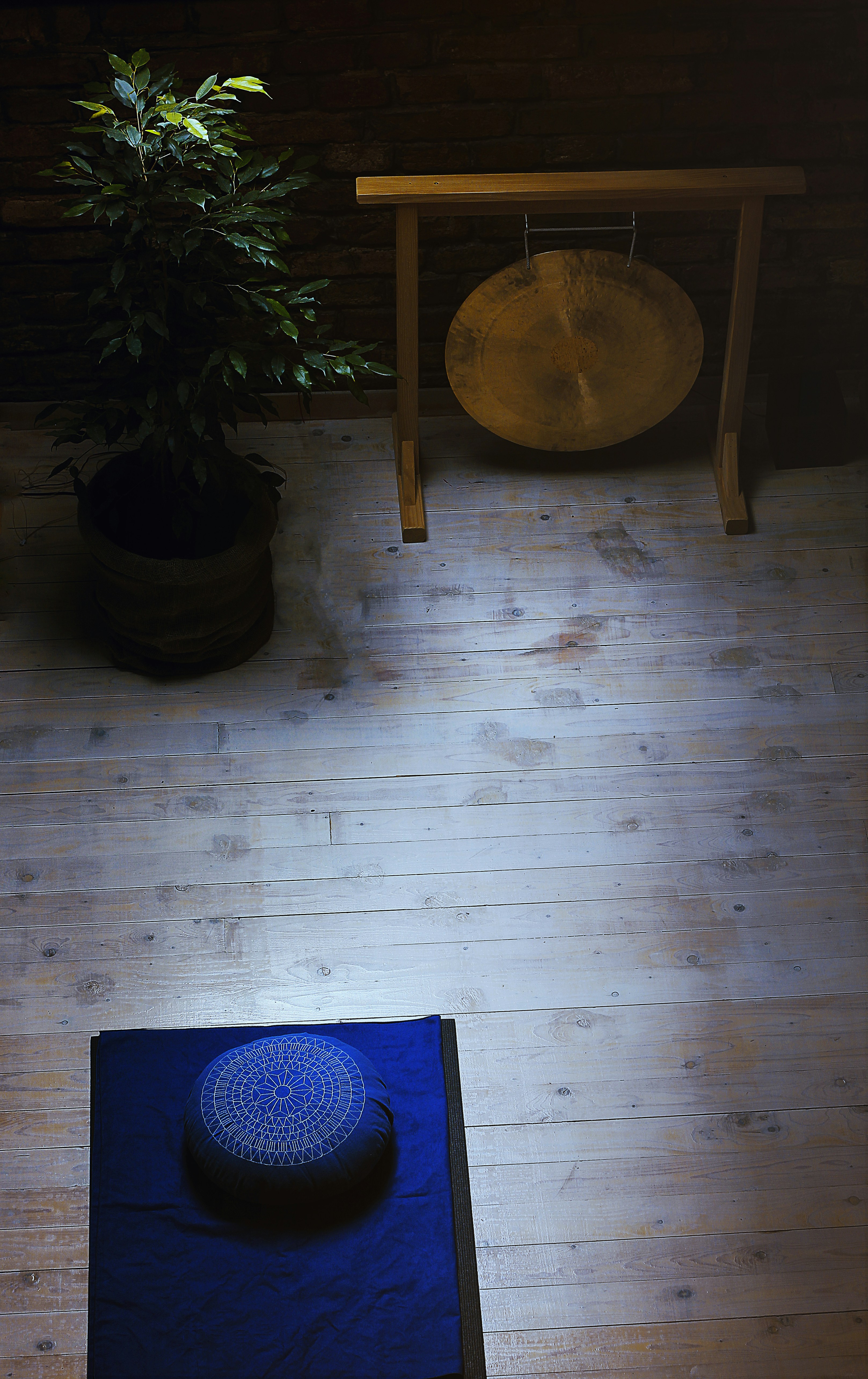
Embarking on a 5-minute meditation practice can be a transformative experience, particularly when one takes the time to set up for success. To begin, it is essential to select a quiet space free from interruptions. This allows for a more immersive experience, enabling one to focus on the present moment without the distractions of daily life. Whether it is a spare room, a garden, or even a cozy corner in your living room, the tranquility of the environment can greatly enhance your meditation practice.
Once you have chosen your space, make sure to sit comfortably. This could mean sitting on the floor with a cushion, on a chair with your feet flat on the ground, or even lying down if that is more comfortable for you. The key is to find a position that allows you to relax while remaining alert. It is important to maintain an upright posture that promotes relaxation but encourages awareness. This balance is crucial for an effective 5-minute meditation session.
Another vital aspect of starting this journey is to eliminate distractions. Consider turning off notifications on your devices or placing them out of reach. Informing those around you that you will be meditating helps set boundaries and reinforces your commitment to the practice. Additionally, designating a consistent time and place for your 5-minute meditation can significantly aid in establishing a routine. By integrating meditation into your daily schedule, it becomes a natural part of your day, enhancing your mindfulness and overall well-being.
As you begin this brief yet enriching practice, remember that the goal is not perfection but presence. Each meditation session, regardless of duration, contributes to building a more mindful state of being, promoting peace and clarity in your life.
Basic Techniques for 5-Minute Meditation
Five-minute meditation can be a practical and beneficial practice for individuals seeking mindfulness amidst their busy lives. Various techniques can be employed to make the most of this brief time, each catering to different preferences and needs. One effective approach is focused breathing, which helps center attention and reduce stress. To practice focused breathing, find a comfortable position—either sitting or lying down. Close your eyes and take a deep breath in through your nose, allowing your abdomen to rise. Hold the breath for a moment before exhaling slowly through your mouth. Repeat this for five minutes, concentrating on your breath as it flows in and out.
Another technique involves mindfulness practices, which encourage awareness of the present moment. To engage in a mindfulness meditation, start by observing your surroundings. Notice the sounds, sensations, and even your thoughts without judgment. A simple way to do this is to focus on one aspect, such as the feeling of your feet in contact with the ground. Allow yourself to be fully present, letting distractions fade away. This practice not only enhances awareness but also cultivates a sense of peace.
For those who prefer structure, guided visualizations can be particularly beneficial. This technique typically involves imagining a peaceful scene, such as a beach or a tranquil forest. In this method, find a calming place to sit and, with your eyes closed, take deep breaths to relax your body. Visualize the details of the scene, focusing on the colors, sounds, and scents. Guided meditations are available through various apps and online platforms, making it easier for beginners to engage in this practice.
Selecting the right technique for your 5-minute meditation is crucial. Experimenting with different methods can help you discover what resonates most with you, enriching your mindfulness journey. Remember that the goal is to foster a sense of calm and presence, regardless of the technique employed.
Overcoming Common Challenges
Many individuals seeking to incorporate a 5-minute meditation practice into their daily routine may encounter several common challenges that can discourage them. Among these challenges, feelings of restlessness, distractions, and impatience are frequently reported. It is crucial to recognize that these feelings are completely normal, especially for those new to mindfulness practices. Understanding and managing these obstacles can greatly enhance one’s meditation experience.
Restlessness often arises when individuals try to sit still for a brief period. A key strategy to address this is to focus on the breath. By anchoring your awareness to the natural rhythm of inhalation and exhalation, one can ground themselves in the present moment. If restlessness persists, it may be helpful to acknowledge the discomfort without judgment and allow it to pass, similar to clouds drifting across the sky. This acceptance can transform tension into a greater ability to focus, even during a 5-minute meditation session.
Distractions are another common barrier during meditation, especially in today’s fast-paced environment. To mitigate these interruptions, one can create a designated meditation space that encourages tranquility. Minimizing external stimuli, such as electronic devices or noise, lays a foundation for more effective mindfulness practice. Additionally, acknowledging distractions as part of the meditation experience can help reduce frustration. Practitioners can gently redirect their focus back to their breath or a chosen mantra whenever distractions arise.
Impatience is often felt as a longing for immediate results from meditation. It is essential to understand that mindfulness is a gradual process that requires consistent practice. Setting a clear intention for your 5-minute meditation session, such as fostering compassion or enhancing clarity, can help maintain focus. With time and persistence, the benefits of meditation will become more apparent, and feelings of impatience may dissipate.
Incorporating 5-Minute Meditation into Your Daily Routine
Integrating a 5-minute meditation practice into your everyday life can significantly improve your mindfulness and mental clarity, even amidst a busy schedule. The key to successful incorporation lies in being flexible and creative with your approach. One of the most effective ways to start is by utilizing pockets of time throughout your day.
For instance, during your daily commute, whether you are driving or using public transport, consider employing mindfulness techniques. Close your eyes for a few moments, focus on your breath, and allow yourself to let go of any distracting thoughts. This not only makes the commute more enjoyable but also cultivates a sense of ease before embarking on the day’s responsibilities.
Another optimal time for a quick session of meditation is during your work breaks. Instead of scrolling through your phone or engaging in other distractions, take five minutes to step away from your workstation. Find a quiet space where you can shut your eyes and concentrate on your breathing. This short reprieve can rejuvenate your mind and enhance productivity upon returning to your tasks.
Additionally, consider incorporating this practice into your nighttime routine. Before bed, spend a few minutes in quiet reflection. Take time to unwind, focusing on deep breaths to ease the transition into sleep. This not only fosters relaxation but also prepares your mind for a restful night, further enhancing your daily mindfulness journey.
Flexibility is vital when adopting a 5-minute meditation practice; it can be modified according to your schedule and environment. Whether you choose to meditate in the morning, during breaks, or before heading to bed, each session contributes positively to your mental well-being. Ultimately, the goal is to create a sustainable practice that seamlessly blends with your busy lifestyle, promoting overall peace and balance.
Tracking Your Progress and Staying Motivated
To fully embrace the benefits of a 5-minute meditation practice, keeping track of your progress is essential. Monitoring both the frequency and quality of your meditation sessions can provide valuable insights into how this mindfulness technique directly impacts your daily life. One effective way to do this is through journaling. By dedicating a few moments after each meditation to record your feelings, thoughts, and any observations about your practice, you can create a personalized meditation log. This practice not only enhances your self-awareness but also allows you to identify patterns in your emotional state post-meditation.
In addition to journaling, utilizing meditation apps can significantly enhance your mindfulness journey. Many modern applications offer features such as timers, guided sessions, and progress tracking. These tools can be incredibly motivating, as they often provide reminders and daily challenges, thereby ensuring consistent practice. Furthermore, most meditation apps have built-in communities where users can share their experiences and support each other’s meditation goals. Engaging with a community can help reinforce your commitment to a 5-minute meditation routine and inspire you to reach new levels of mindfulness.
Setting personal goals can also foster motivation in your meditation journey. Start by establishing clear, achievable objectives related to your practice. For instance, committing to meditate for 5 minutes each day for a week is a practical goal. As you become more comfortable, consider gradually increasing your time or incorporating new techniques, such as breath awareness or visualization. Celebrating these milestones can help maintain your enthusiasm and commitment to meditation. By tracking your progress through journaling, using apps, and setting personal goals, you can create a sustainable and enriching meditation practice that enhances your overall well-being.
Expanding Your Meditation Practice
Incorporating a 5-minute meditation routine is an excellent starting point for those looking to enhance their mindfulness practice. However, as one becomes more comfortable with this brief reflection period, it is beneficial to gradually lengthen these sessions. Extending your meditation time can deepen your experience and provide further mental clarity. Begin by adding an extra minute or two each week, aiming for a longer duration that feels manageable yet challenging, such as 10 or 15 minutes. This incremental approach makes the transition seamless and enjoyable.
Moreover, diversifying your meditation techniques can significantly enrich your practice. After gaining confidence with traditional mindfulness meditation, consider exploring other styles. Techniques such as loving-kindness meditation or body scan meditation can offer fresh perspectives and insights. Loving-kindness meditation focuses on cultivating compassion for oneself and others, while body scan meditation enhances bodily awareness by directing attention to various physical sensations. Both practices can be integrated into your routine following your initial 5-minute meditation.
Additionally, integrating other mindfulness practices can further support your journey toward mental wellness. Activities such as mindful walking or yoga can complement your meditation regimen, providing physical movement while maintaining a focus on mindfulness. These practices can help you develop a holistic approach to well-being by promoting relaxation and reducing stress. Consider setting aside time in your schedule for these complementary activities, as they can lead to greater overall mindfulness.
Ultimately, expanding your meditation practice is about personal growth and deepening your connection with the present moment. When you actively incorporate these elements, your 5-minute meditation and beyond can become a transformative experience, enhancing your overall quality of life.
Conclusion: Embracing Mindfulness in Just 5 Minutes
In today’s fast-paced world, taking time for oneself often falls by the wayside. However, the practice of 5-minute meditation serves as a daily refuge, offering a simple yet transformative way to integrate mindfulness into our lives. The beauty of this practice lies in its accessibility; even those with the busiest schedules can spare just a few moments to focus on their mental well-being. By dedicating a short period each day to meditate, individuals can cultivate a sense of tranquility that permeates throughout their daily activities.
Research indicates that even brief meditation sessions can lead to significant improvements in emotional health and stress management. Practicing mindfulness through a 5-minute meditation can enhance clarity, reduce anxiety, and increase overall resilience. This condensed approach allows individuals to reset their minds, enabling them to face challenges with renewed focus and composure. Moreover, the simplicity of this practice encourages beginners to explore the benefits of meditation without the intimidation that often accompanies longer sessions.
Furthermore, integrating 5-minute meditation into daily routines can help create a habit of mindfulness. Whether it’s in the morning to start the day with intention, during a lunch break to recharge, or in the evening to unwind, these short sessions offer a moment of peace amidst chaos. As you embrace this practice, you may find that these brief encounters with mindfulness foster deeper reflections and a new perspective on daily events.
Ultimately, the impact of 5-minute meditation on mental well-being is profound. It is an invitation to prioritize oneself, reminding us that one does not need to spend hours meditating to experience its benefits. By simply dedicating five minutes, anyone can embark on a path toward greater mindfulness, fostering both peace and productivity in their lives.