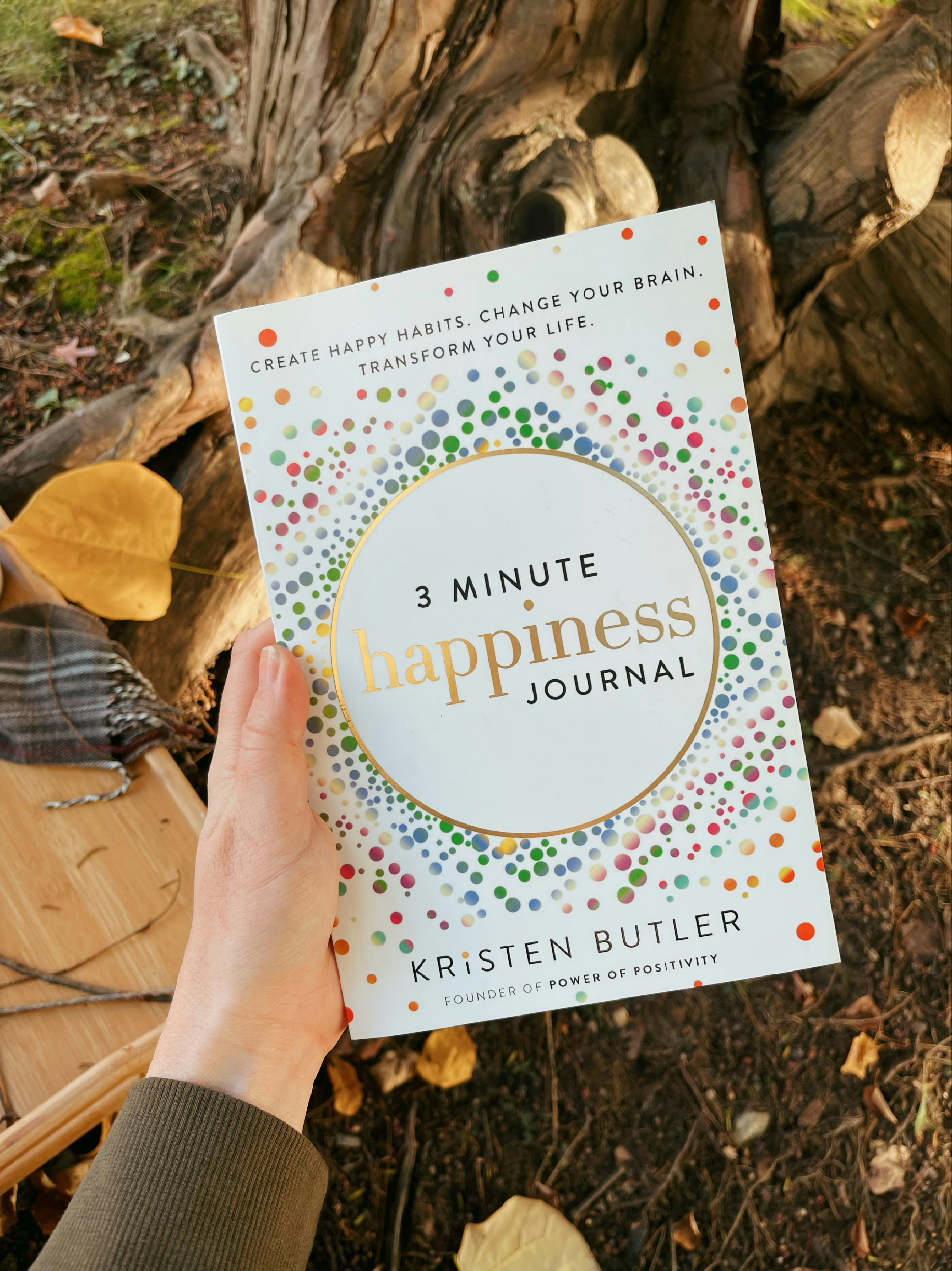
Introduction to Daily Journaling
Daily journaling has emerged as a transformative practice embraced by individuals from diverse backgrounds, ages, and professions. At its core, journaling involves the regular recording of thoughts, feelings, experiences, and reflections in a structured manner. This simple yet profound habit has garnered attention for its numerous psychological and emotional benefits, making it a valuable tool for personal development.
The increasing popularity of daily journaling habits can be attributed to its capacity to foster greater self-awareness. By engaging in this reflective process, individuals are encouraged to explore their inner thoughts and feelings more deeply. This exploration can lead to enhanced understanding of one’s emotions, motivations, and behaviors, ultimately promoting emotional intelligence. In a world where distractions abound and mental health concerns are on the rise, journaling serves as a sanctuary for introspection and personal growth.
Moreover, daily journaling is widely recognized for its efficacy in providing stress relief. By writing down worries and anxieties, individuals can externalize their thoughts, allowing for a sense of release that can alleviate mental pressure. Studies suggest that the act of journaling can lead to a reduction in stress levels and improvement in overall psychological well-being. Additionally, journaling encourages the organization of thoughts, aiding in clarity and enabling individuals to process complex situations more effectively.
In addition to emotional benefits, daily journaling habits can enhance cognitive function. Regularly writing down thoughts can improve memory retention and sharpen critical thinking skills, thus contributing to clearer mental processes. With the multitude of advantages that this practice offers, it is no surprise that daily journaling has become a cherished habit for many seeking to cultivate a fulfilling and mindful life.
Benefits of Daily Journaling
Engaging in daily journaling habits offers a myriad of benefits that contribute significantly to emotional, cognitive, and physical well-being. One of the most profound emotional advantages of maintaining a daily journal is the ability to process and articulate feelings effectively. Writing about one’s experiences and emotions can serve as a therapeutic outlet, allowing individuals to reflect on their feelings, understand their emotional triggers, and gain clarity on various situations. Additionally, it fosters a sense of gratitude, as recording things one is thankful for often leads to a more positive outlook on life.
Cognitive benefits are also notable. Regularly journaling enhances memory and boosts creativity. The act of writing engages multiple brain functions, which can improve memory retention and recall capabilities. Moreover, the free flow of thoughts in a journal stimulates creative thinking. When individuals express their ideas and feelings on paper, they often generate new insights and perspectives that they may not have considered previously. This creative exercise can lead to problem-solving breakthroughs in everyday life and various professional settings.
Beyond emotional and cognitive gains, daily journaling habits also manifest physical benefits, particularly in stress reduction and improved sleep patterns. Journaling acts as a stress-relief mechanism; by externalizing worries and fears onto paper, individuals can alleviate anxiety and promote mental peace. This calming effect extends to nighttime routines as well, where the practice of journaling before bed can facilitate relaxation. By clearing the mind of lingering thoughts, individuals often experience enhanced sleep quality, resulting in better overall health. In essence, adopting daily journaling practices can create a positive cascading effect across various facets of an individual’s life.
Getting Started: Tools and Techniques
Embarking on a journey of daily journaling habits requires thoughtful consideration of the tools and techniques that best align with personal preferences and goals. Selecting the right medium is crucial, whether opting for traditional notebooks or modern journaling apps. Each method has its advantages; for instance, handwriting in a notebook has been shown to enhance memory retention and personal reflection, while digital options often provide convenience, organization, and customizable features. Popular choices for notebooks include Moleskine, Leuchtturm1917, and various bullet journal systems, each contributing to a tactile experience. On the app side, options such as Day One, Journey, or Evernote allow for integration of images, voice notes, and advanced categorization.
When it comes to different journaling techniques, aspiring journaling enthusiasts may benefit from exploring methods such as free writing, bullet journaling, or guided prompts. Free writing encourages unrestricted expression of thoughts, promoting creativity and authenticity. Meanwhile, bullet journaling combines organization with creativity, using symbols and shorthand to track habits, events, and reflections efficiently. Guided prompts provide structure and direction, helping individuals navigate their inner thoughts, feelings, and aspirations. These prompts can vary widely, often addressing different aspects of life, such as gratitude, goals, and personal growth.
Establishing a routine that accommodates personal lifestyles is essential for sustaining daily journaling habits. Allocating a specific time each day, even if just for a few minutes, establishes a sense of commitment. Consider integrating journaling into existing routines, such as during morning coffee or bedtime reflections. Creating a conducive environment—whether a quiet corner in a room or a favorite café setting—can further enhance motivation and focus. Ultimately, the key to successful daily journaling lies in finding a personalized approach that fosters self-expression and growth.
Creating a Consistent Journaling Habit
Establishing a consistent daily journaling habit can significantly enhance personal growth and self-reflection. A fundamental strategy is to set aside a specific time each day dedicated to journaling. This could be in the morning, prior to starting daily activities, or in the evening, as a means to unwind. By carving out this time, individuals can cultivate a routine that naturally integrates journaling into their life.
Incorporating journaling into existing daily routines can also facilitate habit formation. For example, consider journaling right after a well-established habit, such as enjoying morning coffee or brushing teeth at night. By associating journaling with these ceremonial practices, the activity becomes a seamless part of everyday life, reinforcing commitment to maintaining daily journaling habits.
Despite the desire to cultivate a journaling routine, several obstacles may arise. A common challenge is time constraints, often leaving individuals feeling that they lack sufficient time to write. To overcome this, it is advisable to start with short entries. Allowing oneself to write just a few sentences can alleviate pressure and foster a feeling of accomplishment. Additionally, setting realistic goals can help maintain motivation, such as committing to five minutes of journaling each day.
Remaining flexible with journaling practices is crucial. Life circumstances may shift, requiring adjustments to one’s approach to journaling. The ability to evolve one’s routine can prevent feelings of guilt or failure if daily entries are missed. Embracing different styles, such as bullet journaling or streaming thoughts, can keep the practice fresh and engaging. In conclusion, by implementing these strategies, individuals can successfully create and maintain a fulfilling daily journaling habit that contributes to a well-rounded and reflective life.
Different Approaches to Journaling
Daily journaling habits can take many forms, each offering unique benefits tailored to individual needs. One of the popular methods is the gratitude journal, where individuals document things they are thankful for each day. This practice encourages a positive mindset, often leading to greater emotional resilience. It can be particularly beneficial during challenging times, helping to redirect focus from negative experiences to positive aspects of life. To get started, prompts such as “What made me smile today?” or “Who am I grateful for and why?” can be effective.
Another approach is the dream journal, aimed at capturing the vivid narratives of dreams. This practice can enhance self-awareness and creative thinking by allowing individuals to reflect on their subconscious thoughts and feelings. Keeping a dream journal is especially beneficial for those interested in understanding the significance of their dreams or exploring creative ideas. A useful prompt could be, “What feelings or images stood out in my dream last night?” This method often helps in unraveling mysteries about oneself and can even inspire artistic endeavors.
Emotion-focused journals represent a more introspective form of journaling. In this approach, individuals express their thoughts and feelings surrounding particular emotions, leading to a deeper understanding of themselves and their reactions. This method can be particularly useful during moments of heightened emotional stress. Writing prompts like “What triggers my anxiety?” or “How did I feel today, and why?” can facilitate this exploration. Engaging in emotion-focused journaling cultivates awareness and can significantly enhance emotional intelligence.
In essence, there are various forms of journaling, each with specific advantages. By choosing an approach that resonates, one can cultivate their daily journaling habits to better understand their thoughts, feelings, and experiences, ultimately leading to a more fulfilling life.
Tips for Overcoming Writer’s Block
Writer’s block is a common challenge that many individuals encounter when engaging in daily journaling habits. Fortunately, there are various techniques that can help overcome this obstacle and reignite one’s creativity. One effective method is stream-of-consciousness writing. This technique encourages writers to pen down their thoughts as they come, without worrying about grammar or coherence. This practice allows the mind to flow freely, often leading to unexpected insights and ideas. Setting a timer for 10-15 minutes can further enhance this experience, providing a clear goal while alleviating the pressure of perfectionism.
Another useful strategy is the utilization of journal prompts. Prompts serve as useful starting points that stimulate thought and action, helping to break through the mental barriers that can hinder writing. A prompt could be as simple as a question such as “What aspects of my day am I grateful for?” or “What goals do I wish to achieve in the upcoming week?” These open-ended inquiries can inspire deeper reflection, enabling writers to explore their thoughts and feelings, ultimately fostering continuous daily journaling habits.
Moreover, changing one’s environment can significantly influence creativity. By relocating to a different setting—such as a park, café, or quiet room—a fresh perspective can emerge, shaking off the familiar confines that often accompany writer’s block. The act of changing surroundings can stimulate new thoughts and ideas, enhancing the journaling experience. Additionally, incorporating personal interests or hobbies within the journaling practice can serve as a joyful distraction, further alleviating feelings of stagnation.
Implementing these techniques will not only assist in overcoming writer’s block but also encourage a more fulfilling relationship with the daily journaling process.
Reflection and Growth through Journaling
Daily journaling habits serve as a powerful tool for personal growth and introspection. Through the act of writing, individuals can engage in a profound process of self-reflection, allowing them to delve deeper into their thoughts, feelings, and experiences. One of the most compelling aspects of maintaining a journal is the ability it provides to look back on past entries. This practice can reveal patterns in behavior, understand emotional responses, and gain clarity on life events. As one revisits earlier writings, it often becomes evident how much has changed, fostering a sense of progress and evolution over time.
The integration of daily journaling into one’s routine can lead to significant insights. For instance, when individuals reflect on their experiences and document their thoughts, they often uncover recurring themes or unresolved issues that might have gone unnoticed in the busyness of daily life. Recognizing these elements can be crucial for personal development, as it encourages individuals to address their challenges head-on, rather than allowing them to linger unexamined. Journaling can, therefore, be seen as a mirror that reflects not just surface-level events but also the deeper emotional currents that shape personal narratives.
Moreover, reviewing past entries can inspire future aspirations. As individuals note their achievements and challenges within their journals, they develop a clearer understanding of their core values and goals. This clarity can fuel motivation and provide direction in one’s life path. By reflecting on what has been written, one can identify what truly matters to them, setting intentions that align with their evolving self. Thus, daily journaling habits stand not just as a means of documenting life, but as a crucial framework for nurturing growth and fostering a fulfilling life through ongoing self-discovery and reflection.
Incorporating Other Mindfulness Practices
Daily journaling habits can be significantly enhanced by integrating other mindfulness practices such as meditation, yoga, and mindful breathing. These complementary approaches not only foster mental clarity but also deepen the overall journaling experience, creating a comprehensive strategy for emotional and psychological well-being.
One effective practice is meditation, which encourages individuals to connect with their thoughts and emotions. By setting aside time before journaling to engage in meditation, one can create a calm and focused mindset. This practice allows for greater introspection, making it easier to articulate feelings and insights on paper. Furthermore, meditative techniques can help clarify thoughts, leading to more profound reflections during journaling sessions.
In addition to meditation, incorporating yoga can also prove beneficial. Incorporating gentle yoga stretches or poses can serve as a warm-up for the mind, preparing it for the reflective process of journaling. The emphasis on breathing and body awareness during yoga can help release tension, thus facilitating a more open and honest journaling session. As one physically relaxes through yoga, it often translates into a more fluid writing experience.
Mindful breathing exercises offer another avenue to enhance daily journaling habits. By practicing controlled breathing techniques prior to journal writing, individuals can achieve a state of mindfulness that is conducive to introspection. This practice can ground thoughts, providing a sense of presence that helps in organizing ideas and emotions that one may want to explore in their writing.
These mindfulness practices—meditation, yoga, and mindful breathing—are not only beneficial on their own but are also valuable tools to enrich the journaling process. By incorporating them into your daily routine, you are likely to experience a more fulfilling and transformative journey through your journal, as mental clarity and emotional awareness foster deeper insights and personal growth.
Conclusion: Your Journey with Daily Journaling
As we reflect on the numerous benefits of adopting daily journaling habits, it is evident that this practice offers a pathway to enhanced mental and emotional well-being. Engaging in journaling regularly allows individuals to process their thoughts and feelings, which can lead to greater self-awareness. Such self-reflection is essential for recognizing personal patterns, understanding emotions, and, ultimately, fostering a more fulfilling life.
By committing to daily journaling, individuals can cultivate a habit that not only aids in stress reduction but also encourages creativity and problem-solving. Journaling serves as a personal space where one can express ideas without fear of judgment, enabling a more profound exploration of aspirations and challenges. This practice does not require formal training; it is adaptable and can be tailored to suit individual needs and preferences. Whether through morning reflections, evening summaries, or thematic entries, exploring various styles can enhance the journaling experience.
Moreover, the act of writing itself offers therapeutic benefits. It provides an outlet for emotions that may otherwise go unexpressed, releasing pent-up feelings and enabling clearer thought processes. Practicing daily journaling can ultimately boost mood and promote a positive outlook by facilitating a deep connection with oneself. As you embark on your own journey with journaling, remember that consistency is key, and it is essential to approach this practice with an open mind. Allow yourself the freedom to evolve your journaling habits as you discover what resonates most with your personal experiences.
In summary, daily journaling is a powerful tool for personal growth. By embracing it with enthusiasm and flexibility, you can unlock its full potential, enhancing your mental landscape and leading to a more fulfilling life. Take the first step today and witness how this small yet impactful habit can transform your everyday experiences.