Understanding the Importance of a Daily Routine
Establishing an optimal daily routine is more than just a method for organizing one’s day; it is a foundational element that significantly impacts productivity and mental well-being. A well-crafted routine serves to minimize decision fatigue, a phenomenon that arises when the brain is overwhelmed with choices. By having a predetermined structure for daily tasks, individuals can preserve their mental energy and focus, making it easier to tackle responsibilities and make consequential decisions. This is especially beneficial in the fast-paced world we live in, where distractions abound and constant decision-making can lead to burnout.
Moreover, structuring your day around a routine fosters the development of positive habits. Small, manageable behaviors integrated into a daily schedule create momentum over time. For instance, incorporating regular exercise or mindfulness practices into the daily agenda not only enhances physical health but also nurtures emotional resilience. Consequently, forming these positive habits plays a critical role in cultivating self-discipline and focus, essential components for achieving personal goals.
A daily routine also provides an essential framework for planning and achieving personal objectives. When one has a structured approach to their day, it becomes easier to allocate time toward long-term aspirations. Whether it is setting aside dedicated hours for work projects, self-improvement, or social activities, a consistent routine creates a roadmap that guides individuals toward their desired outcomes. Ultimately, the practice of maintaining a balanced daily routine leads to improved time management, reduces stress, and enhances overall quality of life, thereby underlining its importance in fostering both productivity and mental well-being.
Identifying Your Priorities and Goals
Establishing an optimal daily routine begins with a clear understanding of your personal priorities and goals. This foundational step is crucial for ensuring that your daily activities align with what truly matters to you. Start by assessing your personal values; consider what brings you joy, fulfillment, and a sense of purpose. This reflection will help you identify the areas of life you want to prioritize, whether it be career advancement, health and wellness, or personal relationships.
Once you have identified your core values, it is essential to translate these into achievable goals. Utilize the SMART criteria—Specific, Measurable, Achievable, Relevant, and Time-bound—to define your objectives clearly. For instance, instead of setting a vague goal like “get fit,” aim for “exercise for 30 minutes at least five times a week.” This approach allows you to create actionable items that can be seamlessly integrated into your optimal daily routine.
Additionally, periodic assessments are necessary to ensure your goals remain aligned with your evolving priorities. Set aside time weekly or monthly to review your objectives and determine if adjustments are needed. This flexible mindset will not only enhance your productivity but also keep you motivated as you witness the tangible results of your efforts.
Moreover, consider utilizing tools such as journals, planners, or digital apps to record your priorities and track your progress. Regularly monitoring your achievements and setbacks will provide insights into your daily performance and help you refine your routine accordingly. By consciously integrating your priorities into each day, you will gradually cultivate an optimal daily routine tailored to your unique values and goals.
Morning Rituals to Kickstart Your Day
Starting your day with a structured morning routine can significantly enhance your productivity and well-being. An optimal daily routine often begins with a set of rituals that not only energize the mind but also invigorate the body. One of the most effective ways to start your morning is through meditation. Even just five to ten minutes of mindfulness can help clear your thoughts and set a focused mindset for the day ahead. This practice enhances mental clarity and can lead to a more organized approach to daily tasks.
In addition to meditation, incorporating some form of physical exercise into your morning routine can invigorate your body. Whether it’s a brisk walk, yoga, or a full workout, physical activity increases blood circulation and boosts your energy levels. Engaging in any form of exercise triggers the release of endorphins, greatly contributing to overall mental health and a positive outlook. This not only prepares you for the tasks that lie ahead but also establishes a sense of accomplishment early in the day.
Another essential component of an effective morning ritual is a nutritious breakfast. Foods that are rich in protein and healthy fats can sustain your energy levels throughout the morning. Consider incorporating items like eggs, avocados, or oatmeal into your breakfast choices. These foods not only provide vital nutrients but also improve concentration and cognitive function, which are essential for a productive day.
Finally, setting aside time to plan your day can be a transformative aspect of your morning routine. This can involve making a to-do list, prioritizing tasks, or even visualizing your goals. By dedicating a few minutes to this planning process, you can approach your day with clarity and a sense of direction. Adopting these morning rituals as part of your optimal daily routine can significantly enhance the quality of your day and improve overall well-being.
Structuring the Workday for Maximum Efficiency
To develop an optimal daily routine that maximizes productivity during the workday, it is essential to adopt a structured approach. One of the most effective methods for achieving this is time blocking. This technique involves dividing the workday into specific blocks of time dedicated to different tasks or activities. By assigning distinct time periods for each task, individuals can maintain focus and ensure that their efforts remain aligned with their overall goals.
Another crucial aspect of an efficient workday is managing distractions. The modern workplace is rife with interruptions, from constant notifications to unnecessary meetings. To cultivate a productive environment, it is advisable to identify common distractions and implement strategies to minimize their impact. This may include setting boundaries around communication, using apps to block distractions, or creating a workspace that fosters concentration. Effective management of distractions directly contributes to achieving an optimal daily routine.
The Pomodoro technique is a popular method that enhances both focus and productivity. This technique involves working for a set period, typically 25 minutes, followed by a short break of 5 minutes. By adhering to this schedule, individuals not only maintain high levels of concentration but also allow their minds to recharge during breaks. Incorporating the Pomodoro technique into a daily routine can help ensure that energy levels are sustained throughout the workday.
Furthermore, scheduling regular breaks is vital to maintaining productivity over extended periods. While it may seem counterintuitive, taking breaks can significantly enhance overall performance. Breaks provide an opportunity to step away from tasks, reducing mental fatigue and preventing burnout. Integrating brief pauses into the optimal daily routine allows individuals to return to their work with renewed focus and energy, ultimately contributing to a more efficient workday.
Incorporating Healthy Breaks and Self-Care
Creating an optimal daily routine is not solely about productivity; it also involves integrating healthy breaks and self-care practices to maintain overall well-being. Breaking up periods of focused activity with intentional rest can rejuvenate both the mind and body, leading to enhanced performance and reduced stress levels. It is essential to be mindful of the importance of taking time away from tasks to replenish your energy and creativity.
One effective method to incorporate short breaks is the Pomodoro Technique, which consists of working for 25 minutes, followed by a 5-minute break. This approach not only enhances focus but also encourages regular intervals of rest that can be used for self-care activities, such as stretching or deep breathing. During these brief respites, consider stepping away from your work environment to refresh your perspective; going for a short walk or practicing a few minutes of mindfulness can significantly uplift your mood and mental clarity.
Engaging in mindfulness practices, such as meditation or guided imagery, is another excellent way to incorporate self-care into your daily routine. Even five minutes of focused breathing or visualization can help ground you amid a busy schedule. Furthermore, simple exercises like desk stretches, shoulder rolls, or neck rotations can be seamlessly integrated during breaks, promoting physical relaxation and reducing tension in the body.
Additionally, consider scheduling longer breaks in your daily routine to engage in activities that you enjoy, whether it’s reading a book, spending time with loved ones, or participating in a hobby. These moments are crucial for mental health, allowing you to recharge and refocus on your tasks with a renewed sense of energy.
Ultimately, integrating healthy breaks and self-care into your optimal daily routine is not just beneficial; it is vital for maintaining balance and fostering long-term productivity.
Evening Routines for Relaxation and Reflection
Establishing an effective evening routine is paramount for enhancing mental and physical well-being. As part of an optimal daily routine, the evening period is crucial for unwinding and preparing the mind and body for restful sleep. A well-structured evening routine can significantly improve sleep quality and overall health.
A vital component of an evening routine is the practice of winding down. This can involve engaging in activities that signal to the body that it is time to relax. Simple practices such as reading a book, meditating, or enjoying a warm bath can facilitate this transition. By setting aside at least 30 minutes to an hour before bed for these calming activities, individuals can shift their focus away from the day’s stressors, making it easier to fall asleep when the time comes.
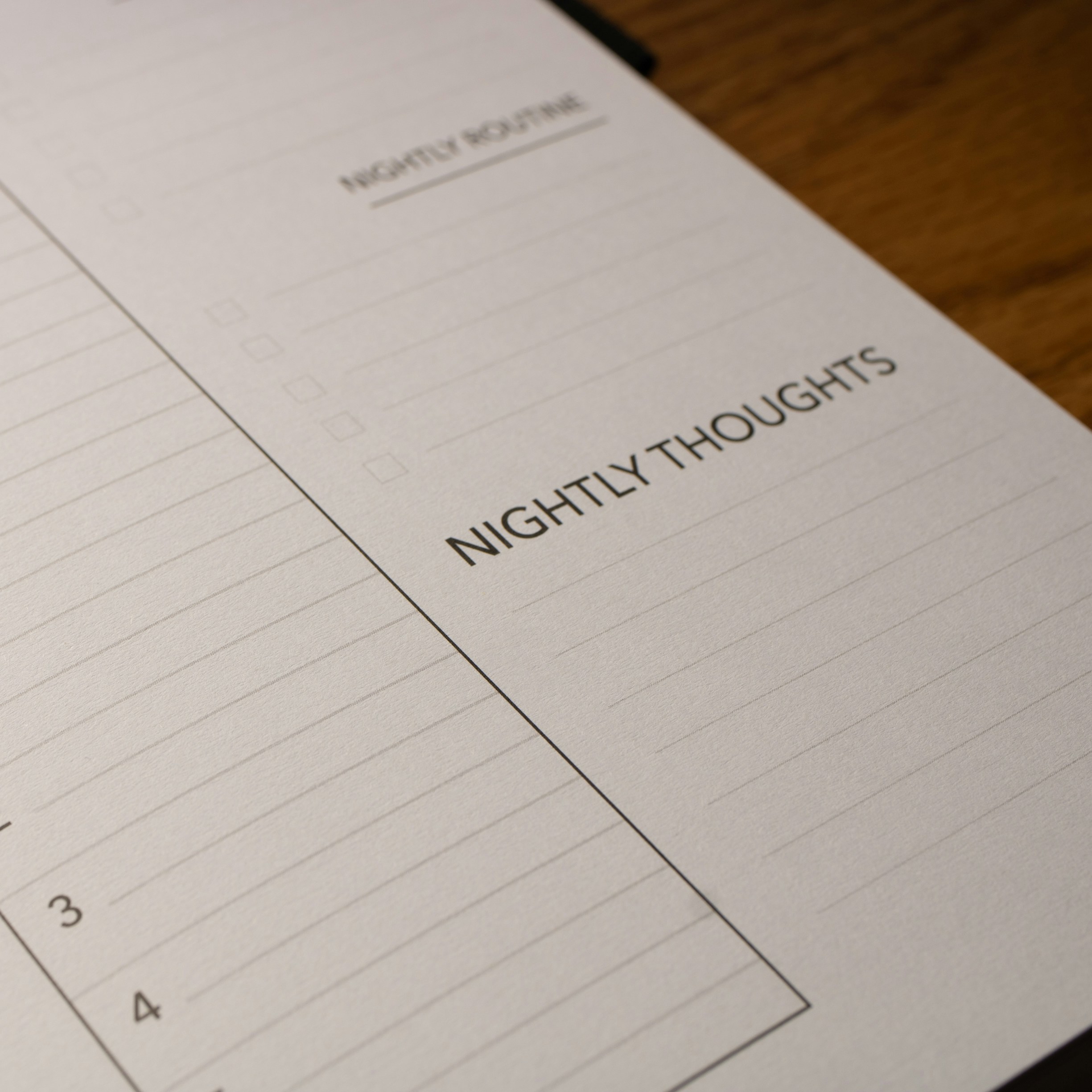
Incorporating reflection into your evening routine can also be highly beneficial. Taking time to contemplate the day’s events fosters self-awareness and personal growth. This might involve journaling about one’s experiences, thoughts, or feelings, which can provide clarity and insight. Alternatively, discussing the day’s highlights and challenges with a partner or family member can deepen connections and understanding.
Gratitude exercises are another powerful addition to an optimal daily routine in the evening. Recognizing and appreciating positive moments, no matter how small, can shift one’s perspective and enhance emotional resilience. This could be as simple as listing three things you are grateful for before sleep each night, instilling a sense of peace and satisfaction as you close your day.
Furthermore, limiting screen time is essential for an effective evening routine. Blue light emitted from screens interferes with the production of melatonin, the hormone responsible for sleep regulation. By setting boundaries around device usage, such as avoiding screens at least one hour before bed, individuals can improve their ability to relax and prepare for restorative sleep.
Adjusting Your Routine for Flexibility and Adaptability
In the pursuit of a successful and balanced life, having an optimal daily routine is essential. However, the ability to adjust this routine as the circumstances change is equally important. Life can be unpredictable, and a rigid schedule may not accommodate emergencies or unexpected events. Thus, incorporating flexibility into your daily routine can enhance your overall productivity while also promoting mental well-being.
To cultivate a more adaptable routine, consider building buffer time into your schedule. This additional time allows for adjustments that may arise, such as last-minute obligations or unforeseen delays. For instance, if you allocate a longer time to a task than necessary, you can absorb interruptions without feeling overwhelmed. This does not mean your routine should be aimless; rather, it highlights the importance of leaving space for spontaneity and change.
Another useful strategy is to prioritize your daily activities. Identify which tasks are critical and which can be postponed or delegated. By focusing on high-priority items, you can maintain progress toward your goals, even when disruptions occur. This prioritization helps you to remain flexible, as it provides clarity on what truly matters for your day-to-day success.
Maintaining balance is also vital for avoiding burnout when striving for your optimal daily routine. Ensure you schedule time for rest, leisure, and self-care within your framework. Regular breaks can rejuvenate your mind and body, enabling you to navigate challenges with resilience. Additionally, practicing mindfulness techniques can strengthen your ability to remain present and responsive to changing situations.
In conclusion, integrating flexibility and adaptability into your daily routine can significantly enhance your overall quality of life. By allowing for adjustments and prioritizing tasks, you can effectively manage life’s uncertainties while continuing to pursue your goals.
The Role of Technology in Modern Routines
In today’s fast-paced world, technology plays an indispensable role in shaping our typical daily activities. Embracing digital tools can significantly contribute to establishing an optimal daily routine, enabling individuals to enhance productivity and maintain organization. The advent of various applications and platforms tailored to personal scheduling and task management has revolutionized how we approach our day-to-day responsibilities.
One of the most effective ways technology aids in maintaining a structured routine is through the use of productivity applications. Tools such as Todoist, Trello, or Microsoft To Do allow users to create task lists, prioritize duties, and set deadlines. These platforms facilitate seamless integration into an optimal daily routine, ensuring that users stay accountable and focused. Moreover, many of these applications offer synchronization across multiple devices, allowing for easy access and management of tasks regardless of location.
Reminders and notifications are also vital components of modern routines. Digital calendars, such as Google Calendar or Apple Calendar, can be leveraged to schedule meetings, deadlines, and personal commitments. Setting alerts for important tasks not only helps in remembering key events but also promotes timely execution, which is essential for maintaining productivity. With customizable reminder settings, users can find the optimal balance between proactive alertness and minimizing distractions.
Timers and habit-tracking applications, like Forest or Habitica, further enhance the effectiveness of an optimal daily routine. These tools encourage users to stay on track with their goals through gamification or time management techniques, such as the Pomodoro Technique. By incorporating these strategies into their schedules, individuals can improve focus during work periods while allowing for necessary breaks to recharge and sustain motivation.
In conclusion, technology serves as a powerful ally in cultivating an optimal daily routine. By harnessing the capabilities of various digital tools, individuals can achieve a heightened level of organization and productivity, ultimately enhancing their overall quality of life.
Tips for Sticking to Your Daily Routine
Creating an optimal daily routine is only one part of the equation; maintaining that routine consistently is where many individuals struggle. To support long-term adherence, the implementation of robust strategies is vital. One effective approach involves habit formation, which relies on the principle of repetition. When engaging in a behavior consistently over time, it transitions from a forced activity to a natural part of one’s day. Start by identifying small, manageable habits that can be seamlessly integrated into your daily routine. Gradually, these minor adjustments will accumulate and lead to more significant changes.
Accountability plays a crucial role in sticking to your daily routine as well. Sharing your objectives with friends, family, or coworkers can create a support system that fosters motivation and commitment. Consider establishing an accountability partner who can regularly check in on your progress and celebrate your successes. This collective encouragement can strengthen the resolve to adhere to an optimal daily routine even during challenging times.
Another effective strategy is to track your progress. Utilizing tools such as habit trackers, planners, or digital apps can provide tangible evidence of your achievements. This visual representation of success not only keeps you informed about your progress but also motivates you to continue striving toward your goals. Additionally, ensure to incorporate moments of reflection into your routine; taking time to assess what works and what doesn’t is critical for ongoing adaptation.
Finally, don’t underestimate the power of celebration. Recognizing milestones, no matter how small, can serve as motivation to remain steadfast in your commitment to your daily routine. Acknowledging the effort put forth reinforces positive behavior and solidifies your choice to strive for an optimal daily routine. Through these strategies—habit formation, accountability, progress tracking, and celebration—you will be better equipped to navigate the complexities of daily life while maintaining consistency in your routines.