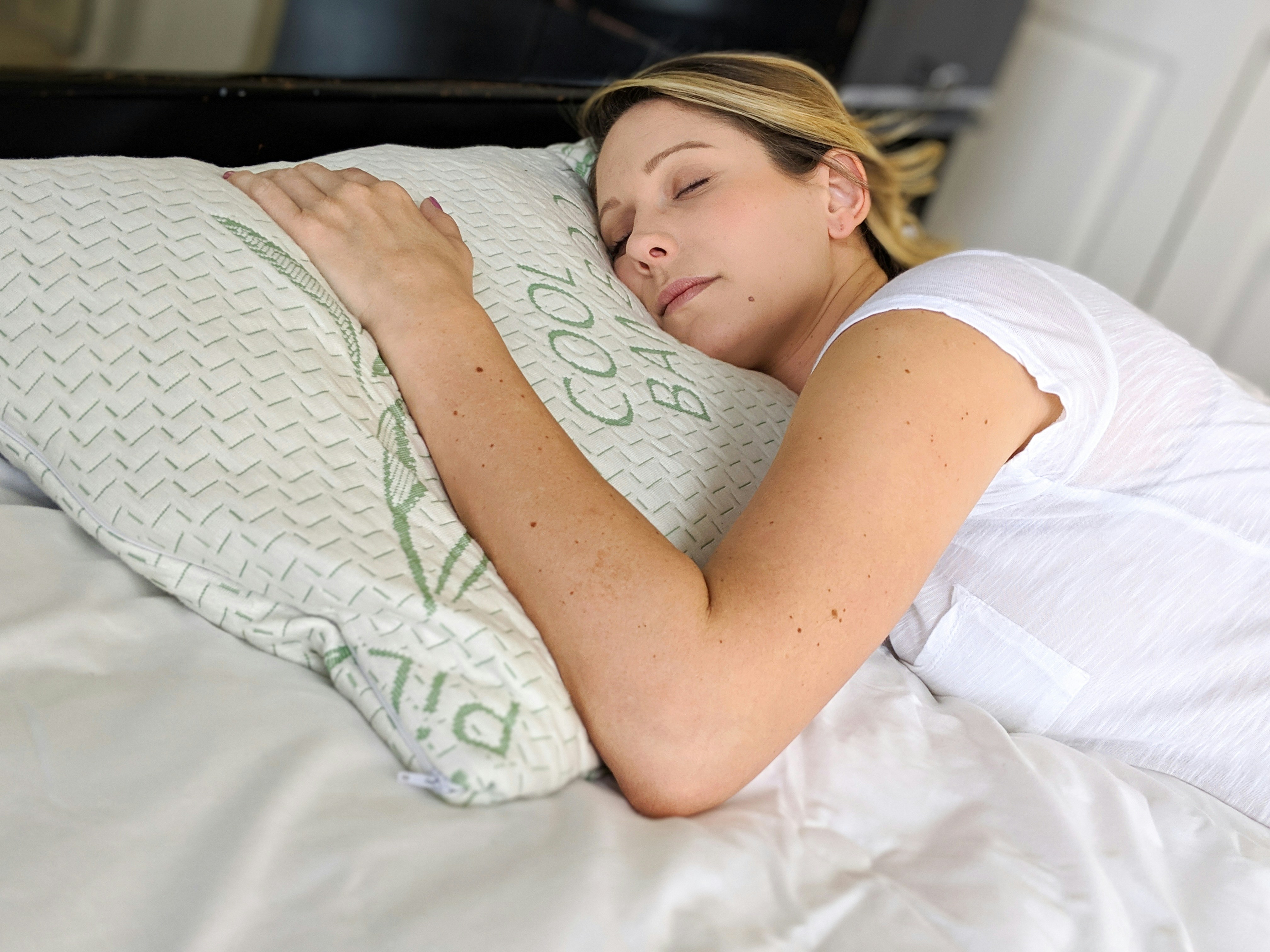
Introduction to Sleep Hygiene
Sleep hygiene refers to the practices and habits that can significantly influence the quality of one’s sleep. It encompasses a variety of behaviors that are aimed at ensuring both the ability to fall asleep and the capacity to maintain uninterrupted slumber throughout the night. Effective sleep hygiene is essential for optimizing rest, as it helps establish a conducive environment for sleep and supports the body’s natural circadian rhythms.
The importance of sleep hygiene cannot be overstated, especially given the increasing prevalence of sleep disorders such as insomnia, sleep apnea, and restless legs syndrome. Poor sleep hygiene can exacerbate these issues, leading to a detrimental cycle where inadequate rest contributes further to nighttime disturbances. By implementing a sleep hygiene checklist, individuals can systematically address the factors that impact their sleep quality. This checklist may include recommendations for setting a regular sleep schedule, creating a comfortable sleep environment, and minimizing exposure to screens before bedtime.
<pmoreover, a="" ability="" adopted="" alert.
Creating a Sleep-Conducive Environment
Optimizing the bedroom environment is a crucial component of maintaining effective sleep hygiene. A well-arranged space can significantly influence the quality of sleep, leading to improved overall health and well-being. The first aspect to consider is the room temperature; studies suggest that the ideal temperature for sleep is between 60 to 67 degrees Fahrenheit (15 to 20 degrees Celsius). Keeping the bedroom cool helps facilitate the body’s natural descent into sleep, promoting deeper rest.
Light exposure in the evening should also be minimized to enhance sleep quality. Bright lights and screens emit blue light, which can disrupt the production of melatonin—an essential hormone for sleep. Implementing blackout curtains can effectively block unwanted external light, while using dim lighting in the evening can support a natural wind-down routine. Additionally, consider utilizing blue light filters on electronic devices in the hours leading up to bedtime.
Noise reduction plays an equally important role in creating a conducive sleep environment. Loud or disruptive sounds can prevent restful sleep, so it may be beneficial to incorporate techniques for soundproofing the bedroom. Using earplugs, white noise machines, or soundproof curtains can help mitigate noise disruptions. Alternatively, soothing ambient noise, such as nature sounds, may create a calming atmosphere conducive to sleep.
The selection of a comfortable mattress and pillows cannot be overlooked. An ideal sleep surface should align with individual preferences and body types, offering adequate support while also providing comfort. Investing in high-quality bedding tailored to personal needs can significantly enhance the sleep experience. Furthermore, arranging the room in a way that promotes tranquility, such as decluttering and adding calming colors, can foster a peaceful ambiance that is conducive to better sleep.
Establishing a Consistent Sleep Schedule
Establishing a consistent sleep schedule is pivotal for improving sleep quality and overall well-being. By going to bed and waking up at the same time each day, including weekends, individuals can significantly enhance their sleep hygiene. This routine helps to regulate the body’s internal clock, also known as the circadian rhythm, which plays a crucial role in determining sleep quality. When the internal clock is aligned with a consistent sleep schedule, individuals often experience deeper and more restorative sleep, leading to better physical and mental health.
One major benefit of a regular sleep schedule is that it helps to ease the transition into sleep, making it easier to fall asleep at night and wake up in the morning. This stability can reduce the risk of sleep disorders and promote more consistent energy levels throughout the day. Furthermore, a predictable schedule aids in the management of symptoms related to insomnia and other sleep-related issues, allowing the body to become accustomed to a routine that promotes restorative rest.
For those needing to shift their current sleep patterns, gradual adjustments are recommended. Trying to go to bed 15 minutes earlier or later, depending on the desired wake time, can create a seamless transition over a week. By making these incremental changes, the body can adjust without significant disruptions. It is also advisable to maintain this schedule during weekends, as stray sleep patterns can confuse the internal clock and disrupt the progress made during the week. In doing so, individuals are more likely to optimize their sleep hygiene checklist, ensuring habits that support better rest and rejuvenation.
Implementing a Relaxation Routine
Establishing a relaxation routine prior to bedtime is a vital aspect of maintaining optimal sleep hygiene. This routine can significantly enhance the quality of sleep by preparing both the mind and body for rest. Engaging in calming activities such as reading, meditation, deep breathing exercises, and gentle stretching can help to alleviate stress and promote a sense of tranquility, making it easier to transition into sleep.
Reading a physical book or listening to an audiobook can immerse an individual in a fictitious world, distracting them from the day’s stressors. It is essential, however, to choose material that is soothing and not overly stimulating, as exciting content may hinder one’s ability to relax. Similarly, meditation offers numerous benefits. This practice can involve focusing on the breath or using guided imagery, allowing individuals to center their thoughts. Consistent meditation helps to calm the mind, reinforcing emotional stability and reducing insomnia symptoms.
Incorporating deep breathing exercises into the pre-sleep routine is another effective method for achieving relaxation. This technique not only lowers heart rate but also promotes a feeling of calmness. To practice deep breathing, one can inhale slowly through the nose, filling the lungs, and then exhale gently through the mouth. Furthermore, gentle stretching can release physical tension accumulated throughout the day. Simple yoga poses or light stretches help to ease muscle tightness and signal to the body that it is time to wind down.
It is equally important to avoid stimulating activities in the hour leading up to bedtime. This includes steering clear of exhilarating television shows, intense conversations, or emotionally charged social media interactions. By adhering to a consistent relaxation routine, individuals can better align their bodies with a healthy sleep schedule, thereby supporting the necessity of a sleep hygiene checklist for continual improvement in restfulness.
Mindful Consumption of Food and Drinks
Diet plays a crucial role in determining sleep quality, making it essential to adhere to a mindful consumption approach tailored to enhance restfulness. To foster optimal sleep hygiene, it is important to avoid certain food and drink types in the hours leading up to bedtime. Caffeine, a well-known stimulant found in coffee, tea, and many soft drinks, can significantly disrupt sleep patterns if consumed later in the day. Experts recommend ceasing caffeine intake at least six hours before bedtime to minimize its impact on sleep quality.
Similarly, alcohol may seem to promote relaxation initially; however, it can lead to fragmented sleep as the body metabolizes the alcohol during the night. Heavy or greasy meals close to bedtime can cause discomfort and indigestion, impacting the overall ability to fall asleep. It is advisable to have dinner a few hours before sleep, favoring lighter meals that are easier to digest.
On the other hand, incorporating sleep-promoting foods into your diet can cultivate a restful environment conducive to a good night’s sleep. Foods rich in tryptophan, such as turkey, nuts, and dairy products, can be beneficial. Additionally, complex carbohydrates like whole grains can help to increase the availability of tryptophan in the brain, further aiding the sleep process. Hydration is another essential factor; while it is vital to stay hydrated throughout the day, excessive fluid intake right before bed can lead to frequent awakenings during the night. To balance hydration needs, aim to drink water throughout the day, scaling back in the evening hours.
By being mindful of food and drink consumption, individuals can take proactive steps toward improving their sleep hygiene checklist and enhancing overall sleep quality.
Limiting Daytime Napping
Daytime napping can be a double-edged sword in our quest for improved sleep hygiene. While short naps can enhance alertness and cognitive function, extended or poorly timed naps can disrupt nighttime sleep patterns. To incorporate effective napping into your sleep hygiene checklist, it is crucial to consider both the duration and timing of your naps.
Experts generally recommend keeping naps brief, ideally between 10 to 30 minutes. This duration is sufficient to provide a restorative boost without leading to sleep inertia, the grogginess that often follows longer slumbers. Napping for excessive periods, typically exceeding 30 minutes, may cause an individual to enter deeper stages of sleep, thereby making awakening more difficult and potentially leading to a reduction in nighttime sleep quality.
The timing of your nap also plays a significant role in its impact on nighttime rest. Napping earlier in the day, preferably before 3 PM, tends to be less disruptive. Late afternoon or evening naps can interfere with the natural sleep-wake cycle, making it challenging to fall asleep at night. Consequently, aligning nap times with your body’s circadian rhythms is essential for maintaining optimal sleep hygiene.
Incorporating these guidelines into your routine can help ensure that your naps serve as effective tools for rejuvenation rather than obstacles to restful sleep at night. By being mindful of both the duration and timing of naps, individuals can maximize the benefits of short rests while minimizing their potential negative influence on overall sleep quality.
Incorporating Physical Activity into Daily Routine
Regular physical activity plays a crucial role in enhancing sleep quality, making it an essential component of an effective sleep hygiene checklist. Engaging in exercises has been shown to not only improve sleep duration but also to promote more restorative sleep cycles. As we dive into the recommended types and timing of exercise, it becomes clear that integrating physical activity into your routine can yield substantial benefits for your overall well-being.
The general guideline for adults is to engage in at least 150 minutes of moderate aerobic activity or 75 minutes of vigorous activity each week. This translates roughly to 30 minutes of exercise on most days. Aerobic exercises, such as running, swimming, cycling, or brisk walking, are particularly beneficial for sleep enhancement. These activities increase heart rate and stimulate the respiratory system, leading to decreases in stress and anxiety levels, which can otherwise impede sleep quality.
Timing is critical when it comes to exercise and sleep. Early morning or afternoon workouts are generally recommended to maximize sleep benefits. Exercising too close to bedtime, particularly high-intensity workouts, may raise your core body temperature and heart rate, making it difficult to unwind and fall asleep. Therefore, it is advised to finish any vigorous exercise at least three hours before heading to bed. Additionally, low-impact activities like yoga or stretching can be beneficial later in the evening, promoting relaxation and preparing the body for restful sleep.
In conclusion, incorporating regular physical activity into your daily routine not only boosts your overall health but also significantly enhances sleep quality. By adhering to recommended exercise guidelines and timing your workouts smartly, you can develop a robust sleep hygiene checklist that facilitates better overall rest. Whether opting for aerobic exercises or gentle yoga, understanding the connection between physical activity and sleep can lead to improved sleep patterns and overall well-being.
Managing Stress and Anxiety
Stress and anxiety have become prevalent issues in today’s fast-paced society, and both significantly impact the quality of sleep. When individuals experience stress or anxiety, their minds can become filled with racing thoughts, making it challenging to relax and drift off to sleep. This interference disrupts the natural sleep cycle, leading to insomnia or other sleep disorders. It is therefore essential to address these emotional factors as part of a comprehensive sleep hygiene checklist.
One effective strategy for managing stress is journaling. Taking time to write down thoughts and worries can help clarify feelings and provide a sense of release. By transferring anxious thoughts onto paper, individuals can reduce the mental burden they carry, paving the way for a more peaceful state of mind. Moreover, setting aside a specific time to journal each day can create a healthy routine that fosters emotional well-being.
In addition to journaling, mindfulness practices, such as meditation or deep-breathing exercises, can be beneficial for overcoming stress and anxiety. Engaging in these techniques promotes relaxation, enabling individuals to center their thoughts and focus on the present moment. This state of mindfulness can lessen the intensity of racing thoughts that often prevent restful sleep. Many resources are available online and in literature to help individuals start incorporating mindfulness into their daily lives.
For those who find that self-help strategies are insufficient, seeking professional help can be a crucial step in managing stress and anxiety. Mental health professionals can provide valuable insights and interventions tailored to an individual’s specific needs, significantly aiding in the journey toward better sleep quality. Recognizing the interconnection between mental well-being and sleep hygiene is vital, as healthier sleep patterns can further enhance mental health.
Conclusion and Recommendations
In summary, the importance of maintaining a solid sleep hygiene checklist cannot be overstated when it comes to improving overall sleep quality. Throughout this article, we have explored various strategies that can significantly enhance your nightly rest, ranging from establishing a consistent sleep schedule to creating a restful sleep environment.
Adopting a sleep hygiene checklist involves a multifaceted approach. This includes evaluating your bedroom conditions, such as light, noise, and temperature, as well as adopting relaxing bedtime routines that signal to your body it is time for sleep. Limiting caffeine and screen time before bed are also crucial, as these factors can disrupt the natural sleep-wake cycle. Each recommendation serves as a vital piece of the puzzle in achieving restorative sleep.
For individuals seeking better quality sleep, the implementation of these practices should begin gradually. Consider integrating one or two elements from the checklist at a time, allowing your body to adjust before adopting additional strategies. Furthermore, it is advisable to monitor your sleep patterns and overall health, noting any improvements or setbacks. By doing so, you can fine-tune your sleep hygiene practices effectively.
In conclusion, prioritizing sleep hygiene is essential for anyone looking to enhance their nightly rest and overall well-being. We encourage readers to take these recommendations seriously and implement them into their routines. For those interested in diving deeper into this subject, numerous resources, books, and articles await, providing further insights into the importance of sleep hygiene and its impact on health. Improved sleep is within reach; with a comprehensive sleep hygiene checklist, anyone can cultivate healthier sleeping habits.