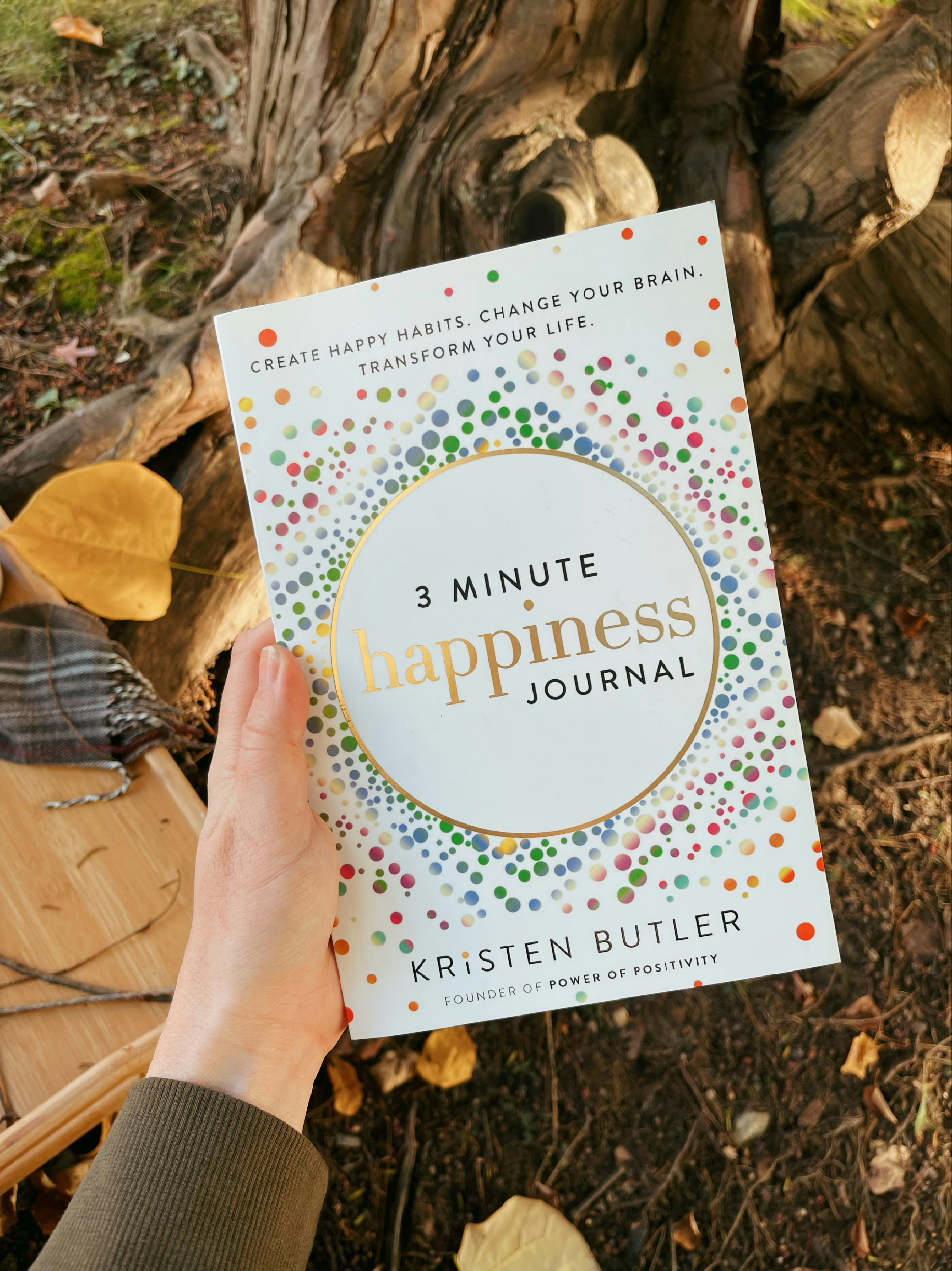
What is Habit Psychology?
Habit psychology is a branch of psychological study focused on understanding how habits are formed, sustained, and altered. It delves into the intricate mechanisms underlying daily routines and behaviors, providing insights into the repetitive actions that characterize human life. Habits can be defined as automatic responses to specific cues, often developed over time through consistent practice. Understanding this concept is crucial for recognizing how habits can significantly influence behavior and overall well-being.
Habits can be categorized into two main types: positive and negative. Positive habits, such as exercising regularly or maintaining a healthy diet, contribute to an individual’s physical and mental health. Conversely, negative habits, such as smoking or excessive screen time, may lead to detrimental effects on health and productivity. By exploring habit psychology, individuals can learn to identify their habits, understand their triggers, and evaluate their impact on everyday life.
Several psychological theories contribute to our understanding of habit formation and change. The behaviorist perspective emphasizes the role of reinforcement and punishment in shaping habits. B.F. Skinner’s operant conditioning theory illustrates how behaviors can be modified through rewards, reinforcing positive habits while diminishing negative ones. Another influential theory is the habit loop model, proposed by Charles Duhigg, which outlines the cycle of cue, routine, and reward that characterizes many habitual behaviors. These frameworks provide a foundation for comprehending how habits operate within the psyche and can potentially be transformed.
By studying habit psychology, individuals can harness the power of their habits for personal growth and behavior modification. This knowledge not only helps in cultivating beneficial routines but also equips individuals with strategies to combat unwanted behaviors, paving the way for a healthier lifestyle.
The Science of Habits: How They Are Formed
Understanding habit psychology provides valuable insights into how our daily routines are structured and sustained. Central to the formation of habits is the concept of the habit loop, which consists of three key components: cue, routine, and reward. The cue serves as a trigger that initiates the habit, the routine is the behavior or action taken in response to the cue, and the reward is the positive reinforcement that encourages the repetition of the behavior.
Neurologically, these processes are deeply intertwined with the brain’s basal ganglia, a region crucial for the development and execution of habits. The basal ganglia enables the brain to store and organize routine actions, thus facilitating more efficient decision-making. When a new behavior is consistently practiced, neuronal pathways are strengthened, making it easier for the brain to access these routines without significant cognitive effort. This underlines the importance of repetition and consistency in habit formation.
However, the context and environment also play a critical role in shaping habits. Environmental cues can significantly impact when and how habits are executed. Behavioral psychology highlights the influence of external factors—such as surroundings, social situations, and even time of day—on the habit loop. For instance, specific locations may evoke particular routines, while social cues can either reinforce or undermine habitual behaviors. Therefore, understanding habit psychology requires recognizing that habits do not exist in a vacuum; they are inherently linked to the context in which they are formed and executed.
In understanding these intricate dynamics, individuals can gain insight into how to effectively cultivate positive habits and diminish negative ones, thus harnessing the power of habit psychology to improve their daily routines.
The Role of Motivation in Habit Formation
Motivation plays a pivotal role in the formation and maintenance of habits, acting as the driving force that propels individuals towards their goals. Understanding this influence is fundamental to habit psychology, as it distinguishes between intrinsic and extrinsic motivation. Intrinsic motivation refers to engaging in an activity for its inherent satisfaction or personal fulfillment. For instance, someone who exercises because they enjoy the activity itself is driven by intrinsic motivation. Conversely, extrinsic motivation arises from external rewards or pressures, such as exercising for the sake of losing weight or receiving praise. Both types of motivation can significantly impact one’s ability to develop and sustain habits.
Another crucial aspect of motivation in habit psychology is goal-setting. Setting clear, achievable goals enables individuals to outline their desired outcomes and to establish habits that align with these aspirations. Effective goals can enhance an individual’s self-efficacy, which is their belief in their capability to execute behaviors necessary to produce specific performances. A heightened sense of self-efficacy can lead to greater persistence and resilience in the face of obstacles, thereby fostering the maintenance of positive habits over time.
A well-structured reward system is also central to the psychology of habits. Rewards provide reinforcing feedback that can stimulate motivation and promote habit persistence. For example, an individual may reward themselves with a favorite activity after completing a workout, thereby creating a positive association with the habit of exercising. Such reinforcement encourages the repetition of the behavior, solidifying the habit in the long run.
In this way, motivation—whether intrinsic or extrinsic—coupled with effective goal-setting and a robust reward system, forms the bedrock of successful habit formation. By understanding these elements, individuals can strategically cultivate habits that not only align with their values and objectives but also become integral to their daily routines.
Breaking Bad Habits: The Psychology Behind Change
Breaking undesirable habits is a complex process that involves understanding the underlying psychology behind those behaviors. One of the primary elements in habit psychology is cue recognition. Cues are triggers that prompt an individual to engage in a specific behavior. These triggers may be environmental, emotional, or situational. Identifying these cues is a critical step toward initiating change, as recognizing what prompts undesirable habits can help individuals formulate a plan to avoid or modify these triggers.
Once cues have been identified, individuals can employ replacement strategies. This approach involves substituting a bad habit with a more positive or constructive behavior. For example, if someone realizes that stress induces them to overeat, they might replace eating with a healthier stress-reliever, such as exercise or mindfulness practices. This strategy not only disrupts the cycle of the bad habit but also fosters healthier patterns that can lead to long-term change.
Self-awareness plays an integral role in habit change. It enables individuals to understand their actions and motivations better, creating a foundation for effective interventions. Techniques such as mindfulness can be particularly beneficial in enhancing self-awareness. Mindfulness encourages individuals to focus on the present moment, cultivating a non-judgmental awareness of their thoughts and actions. This heightened awareness can lead to greater insight into one’s habits, helping to identify discrepancies between desired and actual behaviors.
Cognitive-behavioral approaches are another valuable tool in breaking bad habits. These techniques facilitate the reframing of negative thought patterns that reinforce undesirable habits. By addressing the cognitive aspects of habits, individuals can replace harmful beliefs with more constructive thinking, ultimately contributing to sustained behavioral change. Understanding the interplay between thoughts, emotions, and behaviors is essential in habit psychology and can significantly enhance an individual’s ability to change.
The Role of Mindfulness in Habit Formation
Mindfulness, a practice rooted in ancient meditation techniques, has garnered considerable attention in the field of psychology, particularly in its application to habit formation. At its core, mindfulness encourages individuals to cultivate present-moment awareness, enabling them to observe their thoughts, feelings, and bodily sensations without judgment. This heightened state of awareness can significantly influence the psychological frameworks underlying our habits.
In the context of habit psychology, mindfulness serves as a crucial tool that supports both the formation of new habits and the subversion of detrimental ones. By engaging in mindfulness practices, individuals can become more attuned to their automatic behaviors, a necessary first step in altering ingrained patterns. For instance, someone trying to reduce their consumption of unhealthy snacks can practice mindfulness to identify cravings and recognize emotional triggers linked to their eating habits. This self-awareness creates a space for conscious decision-making, facilitating a shift towards healthier options.
Furthermore, research has shown that mindfulness can enhance an individual’s ability to break free from negative habit loops. A study published in the journal *Psychological Science* indicated that participants who practiced mindfulness demonstrated improved self-regulation and a greater capacity to resist habitual impulses. Such findings suggest that incorporating mindfulness techniques into one’s daily routine may enhance an individual’s overall behavioral flexibility, enabling them to replace unwanted habits with constructive alternatives.
Incorporating mindfulness strategies—such as guided meditations, breathing exercises, or mindful journaling—into habit change initiatives has shown promise. These practices enable individuals to maintain focus on the present, reducing the tendency to react impulsively to ingrained patterns. By promoting self-awareness and emotional regulation, mindfulness effectively supports the transformative process of habit alteration, emphasizing its significant role in habit psychology.
The Impact of Environment on Habits
The relationship between environment and habit psychology is profound, influencing the formation, maintenance, and modification of our daily routines. Our surroundings, including physical spaces and social contexts, play a crucial role in shaping behaviors. The concept of habit stacking, for instance, involves linking a new habit to an existing one, making it easier to integrate into daily life. By strategically designing environments that encourage desired behaviors, individuals can leverage the principles of habit psychology for effective habit formation.
Design thinking is an approach that emphasizes understanding the user experience, which can be applied within the context of habit development. By analyzing the factors that contribute to behavior, one can create environments tailored to support specific habits. For example, placing healthy snacks within easy reach in the kitchen encourages healthier eating patterns, while organizing a workspace to minimize distractions promotes productivity. This design-oriented approach highlights the importance of intentionality when setting up one’s environment.
Additionally, social circles exert considerable influence on our habits. Engaging with individuals who embody the behaviors one wishes to cultivate can serve as a powerful motivator. For example, surrounding oneself with fitness enthusiasts can inspire regular exercise, thus reinforcing the habit through social accountability. Conversely, environments that foster negative or unproductive behaviors, such as excessive distractions or toxic relationships, can inhibit progress. Therefore, assessing and adjusting one’s environment is essential for habit transformation.
Several practical strategies can help create conducive environments for habit development. These include decluttering spaces to minimize distractions, establishing designated areas for specific tasks, and consciously interacting with people who support positive behaviors. By understanding the impact of environment on habit psychology, individuals can more effectively establish and maintain beneficial habits that lead to lasting change.
The 21-Day Myth and Habit Change Timelines
The widespread belief that it takes a mere 21 days to form a new habit has been popularized in various self-help books and articles. However, recent research in habit psychology suggests that this timeline is overly simplistic and does not take into account the complexity of human behavior. The formation of habits can vary significantly based on the nature of the habit, the individual’s pre-existing routines, and their level of commitment. Studies indicate that, on average, it may take anywhere from 18 to 254 days for a new habit to become automatic, with the average time being closer to 66 days.
Different types of habits exhibit varied timelines for formation. For instance, simpler habits, such as drinking a glass of water each morning, may take less time to establish than more complex behaviors, like regular exercise or consistent meal planning. Factors such as personal motivation, environmental cues, and emotional connections also play crucial roles in determining how quickly someone can instill a new practice. Individual differences, including prior experiences and intrinsic motivation, showcase the diverse ways in which people adapt to change.
Moreover, the importance of patience and perseverance in habit formation cannot be overstated. The process of changing habits often includes setbacks and requires consistent effort over time. Individuals may encounter challenges that test their resolve, and it is in these moments that a deeper understanding of habit psychology can be beneficial. By acknowledging that habit formation is a gradual journey rather than a quick fix, individuals are better equipped to remain committed to their goals and sustain long-lasting changes. Overall, recognizing the nuanced timelines involved in habit change fosters a more supportive environment for personal development.
Habit Stacking: A Practical Approach to Building New Habits
Habit stacking is a powerful strategy that leverages the principles of habit psychology to facilitate the formation of new routines by integrating them with established behaviors. By recognizing the existing habits in your daily routine, you can effectively build a bridge to new desired habits, making the transition smoother and more intuitive. This technique is grounded in the understanding that habits are often contextual and repetitive, allowing us to add new actions to our day without overwhelming our mental resources.
To start implementing habit stacking, first identify a habit you perform consistently—this could be anything from brushing your teeth to brewing your morning coffee. This existing habit will serve as your anchor. Next, select a new habit that you want to incorporate into your life, ensuring that it is simple and specific. For example, if you want to incorporate a few minutes of meditation, you might choose to meditate immediately after you finish brushing your teeth.
Once you have selected both habits, create a clear sequence. Write it down in a planner or set reminders on your phone to reinforce the connection. A potential sequence could be: “After I brush my teeth, I will meditate for two minutes.” This clear association helps embed the new behavior more deeply into your daily routine.
Successful examples of habit stacking abound in real-world applications. Take, for instance, the story of a busy professional who wanted to increase her physical activity. By stacking the habit of stretching with her existing routine of brewing coffee in the morning, she not only enhanced her flexibility but also found it easier to prepare for workouts later in the day. Such case studies highlight the practicality and effectiveness of habit stacking as a method within the broader context of habit psychology, demonstrating how small adjustments can lead to significant changes over time.
Conclusion: Embracing Habit Psychology for Positive Change
Understanding habit psychology serves as an essential tool for individuals seeking personal growth and improvement in their daily lives. The science behind habit formation reveals that our behaviors are not random, but rather driven by underlying psychological processes that influence our routines. By recognizing these processes, individuals can take meaningful steps towards developing positive habits while discarding those that are detrimental to their well-being.
The key takeaways from this exploration into habit psychology emphasize the significance of awareness and intention in forming and sustaining positive routines. By applying the principles of habit formation, such as the cue-routine-reward loop, individuals can create a structured approach to change. This systematic method allows for the identification of triggers that lead to negative behaviors and the substitution of these with healthier alternatives. Through consistent practice, new habits can be established, contributing to improved mental and physical health.
Additionally, it is vital to consider the environment in which habits are formed and maintained. Surrounding oneself with supportive influences or modifying one’s environment can facilitate easier adherence to positive habits. The role of social support and accountability also cannot be overlooked; sharing goals with others often enhances one’s commitment to change. With these insights in mind, individuals are empowered to take control of their habits by carefully crafting their daily routines.
In conclusion, embracing habit psychology fosters the potential for significant personal development. By understanding the mechanisms of habit formation and making informed choices based on this knowledge, individuals can enrich their lives through constructive routines. Ultimately, the quest for positive change begins with the recognition that habits shape our experiences, and by focusing on improving these habits, we can lead healthier, more fulfilling lives.